Côte d'Ivoire: women pick up the pieces
05-03-2012 Photo gallery
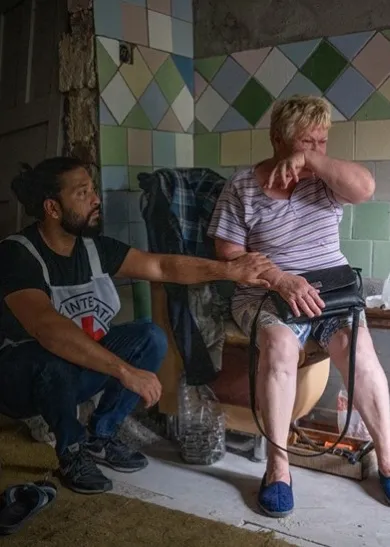
They are wives, daughters, mothers or grandmothers. The women of Côte d'Ivoire continue to pay the price for a conflict in which they had no part. Following the post-electoral crisis that degenerated into armed conflict, countless Ivorians seeking safe refuge fled to other parts of the country or into Liberia and other countries in the region. Months later, those who return find homes destroyed, belongings stolen and wells contaminated. Many are still separated from their families. The ICRC is focusing on helping those who have returned and reducing the impact of the conflict.
-

In February 2011, renewed fighting forced Amélie to flee, along with her three children. She ended up in Liberia, like many people from her village. Being an adult, she could go without food for a day or two if she had to, an ordeal that was often unbearable for her children. So many people had fled to Liberia that Amélie had to sleep in improvised camps. Her niece became ill and died through lack of medical care. Her daughter died after giving birth under difficult conditions, and the baby soon followed. There were no health workers and moving around was difficult. When Amélie finally returned to her village it was to find the granaries looted, including those belonging to her and her parents. With the help of the ICRC, Amélie has been able to start working her coffee and cocoa plantations, which had become overgrown following months of absence and neglect.
-

At the sound of gunfire in the distance, Audette, a widow with four young children, had to flee like many others in her village. She left behind her village, her home and her coffee crop, her only source of income. By the time she returned, her plantation was overgrown and it was impossible for her to work the land, even with the help of her four children. The ICRC hired local workers to clear Audette's plantation as part of a "cash for work" project aimed at clearing overgrown fields while injecting cash into the local economy.
-

Cécile is a widow, with three children. Before she was forced to flee to Liberia, she had a husband and a fourth child, aged six. Upon her return, she found her house and all her belongings destroyed. The ICRC is helping Cécile and hundreds of others like her to rebuild their homes.
-

After five months hiding in Liberia, Nathalie and her four children came home to find a pile of wreckage where their house had been. The family took shelter under the communal tent in the village, but now the ICRC is helping her rebuild her home.
-

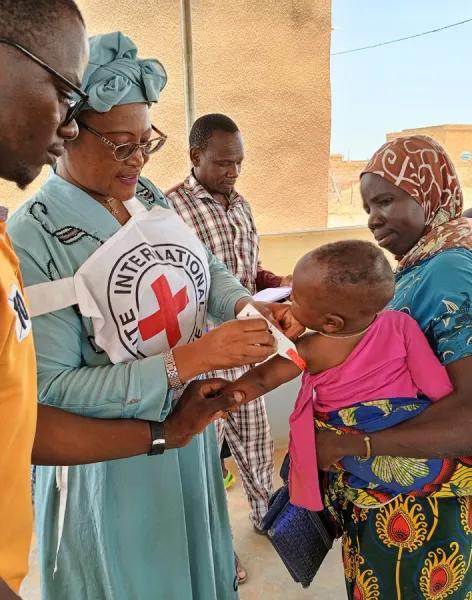
Being pregnant, Nadia was unable to make the journey to Liberia on foot, so she lived hidden away in the bush for several weeks with no health care. And it was in the bush that she gave birth to her second son, in silence for fear of discovery. Now, Nadia and her little boy are receiving medical care from the mobile health clinic that visits her village once a week.
-

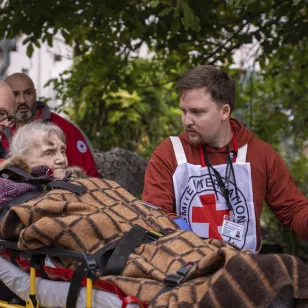
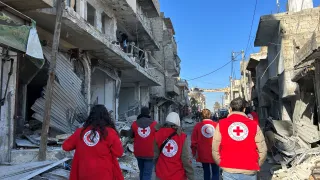
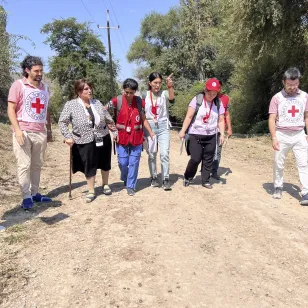
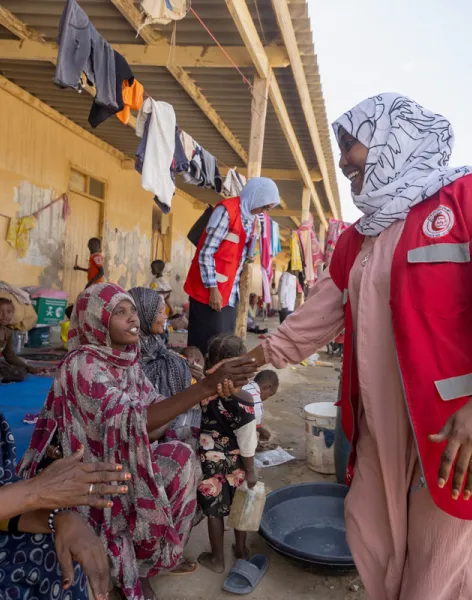
During the crisis, Ivorian Red Cross volunteers risked their own safety to help a civilian population in dire straits.
-

Over the years, they had managed to buy tools and equipment to help boost their income. Then, in 2011, most villagers had to flee. When they returned, all the cooperative's assets had been stolen; their tools, equipment and stocks of food were all gone. In October 2011, these women gathered again and set up a new cooperative, this time under the name of "Toukira," which means "the war has ended."
-

Eight children who became separated from their parents while fleeing to Liberia on foot are reunited with their families with the help of the ICRC.
-

Eight children who became separated from their parents while fleeing to Liberia on foot are reunited with their families with the help of the ICRC.
-

Eight children who became separated from their parents while fleeing to Liberia on foot are reunited with their families with the help of the ICRC.
-

This reunification and many others are the fruit of cooperation between ICRC offices in Liberia, those in Côte d'Ivoire, and the Liberian and Ivorian Red Cross Societies.
-

Flore fled with her five children after armed men stormed her home and killed her brother in cold blood right in front of her. Pregnant at the time, Flore was spared and told to leave her home immediately. Her house was subsequently torched. She is now living with a host family in Granpain and her husband is desperately looking for employment. In the meantime, she relies entirely on food aid to feed herself and her five children.
-

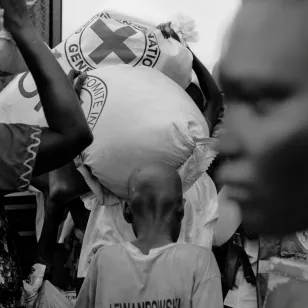
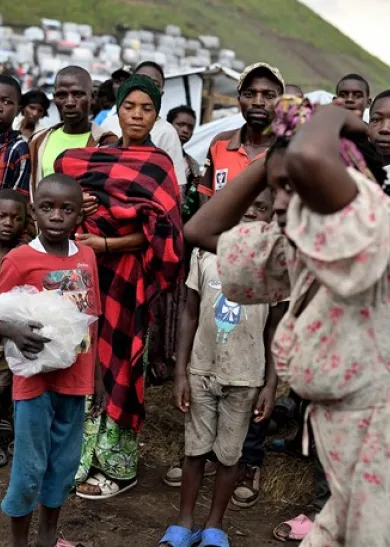
300 families are hosting hundreds of people from neighbouring villages who have fled the violence, and the food will help them feed their involuntary "guests."
-

Families hosting people displaced from neighbouring villages collect food distributed by the Ivorian Red Cross society.