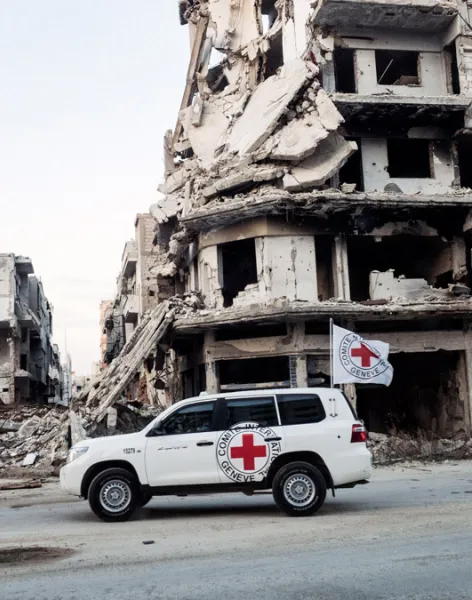
Libya: medical evacuations from Sirte
21-10-2011 Photo gallery
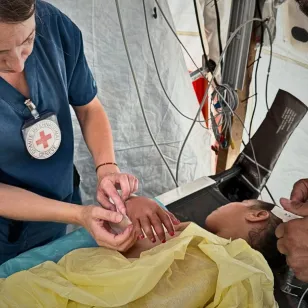
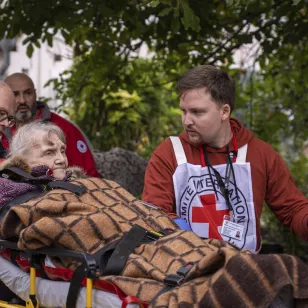
On 11 October 2011, ICRC staff evacuated 17 patients for further medical treatment, bringing them first to a field hospital from where they were flown to hospitals in Tripoli. This was the third group of wounded people evacuated by the ICRC from Sirte in less than a week. This gallery depicts the operation in images. On 17 October, the ICRC evacuated another 21 patients, bringing the total number of evacuees from the Sirte hospital to 49.
-
In Ibn Sina hospital in Sirte, around 75 war-wounded patients had been left with only a few health-care workers to look after them following fierce fighting in recent weeks. Inside the hospital, wounded patients with severe burns, shrapnel wounds or recent amputations were lying among crowds of other people in the hospital corridors. -

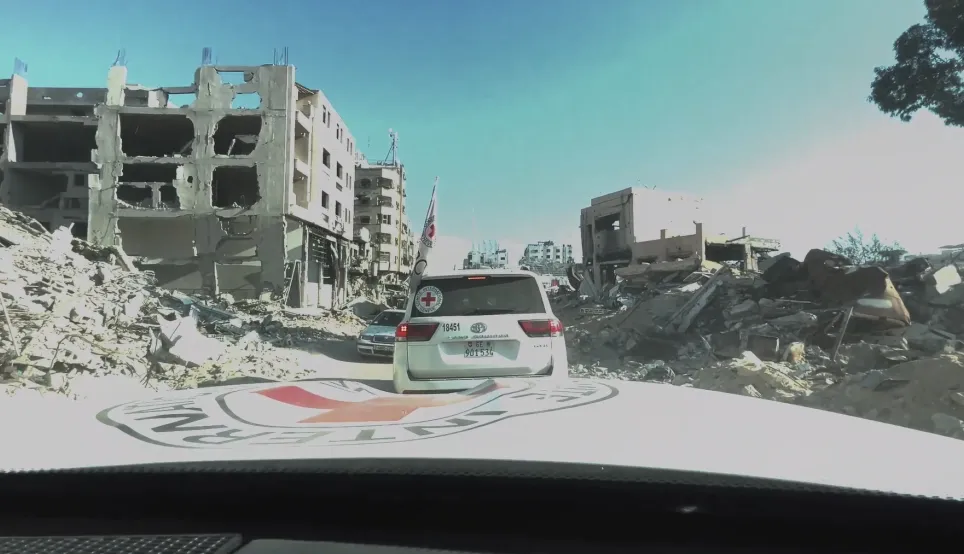
Three ICRC trucks and six lighter vehicles were used in a two-day effort to evacuate a total of 25 war-wounded patients. The evacuation was made possible through coordination with parties to the conflict on the ground in Sirte, with whom the ICRC has developed a direct and transparent dialogue.
-

Sirte hospital was partially destroyed, its windows were damaged and the wards were unsafe to house patients. Patients were lined up in the corridors all together, with different kinds of injuries such as burns and amputations, in poor sanitary conditions due to the lack of water.
-

The ICRC medical team had to ensure that patients were stable enough to be evacuated. They had to prioritize, select and decide with the remaining health-care staff in the hospital which patients would be evacuated for further care.
-

Ibn Sina hospital hosted not only wounded people but also civilian families – including foreign nationals – who sought refuge from the fighting in the hospital's basement and corridors. Children were terrified and tired. The ICRC and the Libyan Red Crescent evacuated 18 foreign nationals who wanted to leave the hospital for a safer place – Harawa, 50 kilometres east of Sirte.
-

The hospital's foreign nursing staff and the foreign nationals who had sought refuge in the building had no contact with their families since fighting erupted in Sirte. The ICRC provided them with a satellite phone to contact their loved ones directly. Often their relatives didn't know if they were alive or dead, making for many moments of high emotion.
-

This child was with his family in the hospital. They decided to leave for a safer area east of Sirte, with the help of Libyan Red Crescent volunteers.
Weapons are prohibited on board Red Cross and Red Crescent vehicles.
-

This young man required further surgery. He was evacuated to a hospital in Tripoli.
-

This patient had been waiting anxiously to leave Ibn Sina hospital before his condition deteriorated. While being transported out, he expresses his relief and gratitude.
-

A patient with severe injuries is being taken from an ICRC truck to a helicopter bound for a hospital in Tripoli.
-

The remaining staff at the hospital did what they could to provide basic care to the patients waiting for surgery. Together with ICRC health delegates, they chose the patients who needed urgent evacuation.
-

In the absence of water and electricity, sanitary conditions in the hospital deteriorated. Beds clogged the corridors and the entrance. Keeping mattresses clean was very difficult, causing serious concern for patients with infected wounds.
-

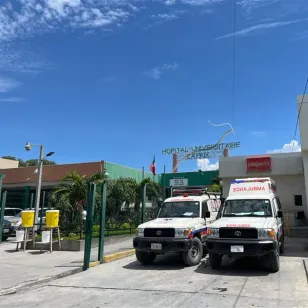
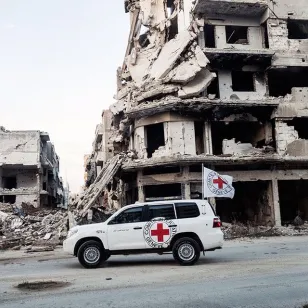
Due to the lack of security, hospital ambulances could not operate. The ICRC evacuated most wounded patients in trucks. Each truck can transport up to eight patients on stretchers.
-

The transfer from the ICRC truck to the helicopter is the final step before the one-hour journey to Tripoli.
-

The families of some wounded patients were waiting for them in Tripoli. On board, patients on stretchers and others sitting are eagerly awaiting take-off.