• Send page

War and International Humanitarian Law

Armed conflict is as old as humankind itself. There have always been customary practices in war, but only in the last 150 years have States made international rules to limit the effects of armed conflict for humanitarian reasons. The Geneva Conventions and the Hague Conventions are the main examples. Usually called international humanitarian law (IHL), it is also known as the law of war or the law of armed conflict. Read more

Selected Topics All War & Law

  • The Geneva Conventions of 1949 and their Additional Protocols

    The Geneva Conventions and their Additional Protocols are international treaties that contain the most important rules limiting the barbarity of war. They protect people who do not take part in the fighting.


  • Respect for IHL

    All States and other parties to an armed conflict have an obligation to respect and ensure respect for international humanitarian law (IHL) in all circumstances. They must use their influence to prevent and end violations of IHL, and refrain from encouraging violations by other parties.


  • Cluster munitions

    In 2008, governments adopted the Convention on Cluster Munitions, which have killed and injured large numbers of civilians. This treaty prohibits the use, production, stockpiling and transfer of cluster munitions.


  • Nuclear weapons

    The ICRC calls on all States not to use nuclear weapons, to take measures to limit the risk of proliferation and to pursue negotiations on a complete ban on nuclear weapons and their elimination.


  • Security detention

    Detaining people for State security reasons is an exceptional measure that is increasingly used both in armed conflict and in other situations. There are grounds for concern over the protection of these people’s rights.


  • Refugees and IDPs

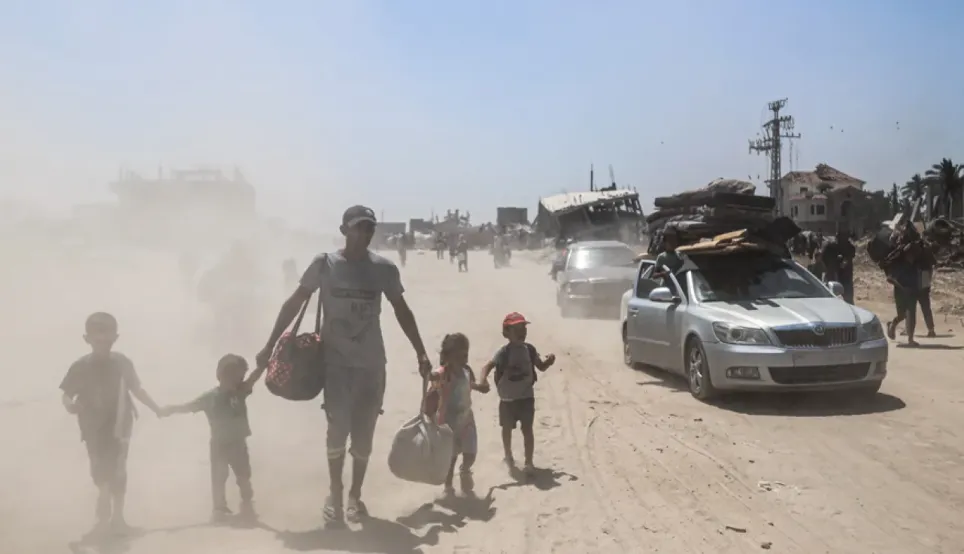
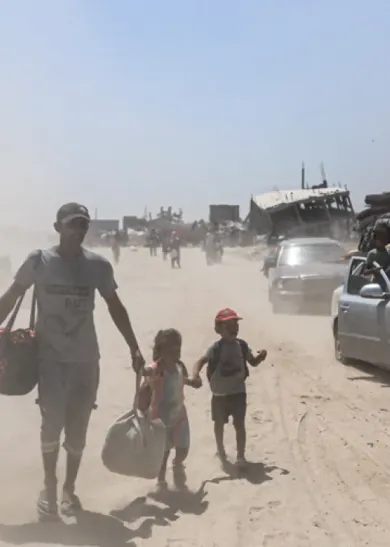
    Refugees are people who have crossed an international frontier, fleeing persecution in their country. Internally displaced persons (IDPs) have not crossed a border but have, for whatever reason, also fled their homes.


Publications More publications