The ICRC regional delegation in Côte d'Ivoire
10-01-2012 Overview
The ICRC delegation in Abidjan covers Côte d'Ivoire, Benin, Burkina Faso, Ghana and Togo. In response to Côte d'Ivoire's post-electoral crisis, it helps those who have been displaced and supports the authorities' efforts to provide access to water and health care. In all the countries covered by the regional delegation, the ICRC visits places of detention and helps the authorities to foster compliance with international humanitarian law (IHL).
Background
The ICRC first started working in Côte d’Ivoire in 1989. Since 1992, the regional delegation in Abidjan has extended its operations to include Ghana, Togo, Benin and Burkina Faso. In Côte d'Ivoire, the ICRC also has offices in Gagnoa, Man and Guiglo.
Post-electoral crisis
After the second round of presidential elections on 28 November 2010, violence quickly broke out in Abidjan and elsewhere in the country. It soon escalated into an actual armed conflict. Although the fighting has subsided, there are still major humanitarian needs.
Since the crisis began, the ICRC has been focusing its efforts in the west of the country and in Abidjan. It keeps a close eye on the unfolding situation, particularly as regards the return of those who fled, the impact of intercommunal clashes, conditions of detention, and ongoing election-related incidents.
Supporting communities stricken by conflict
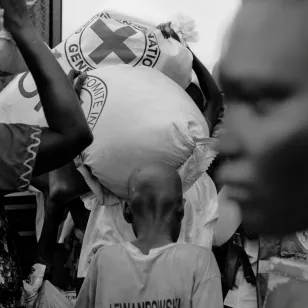
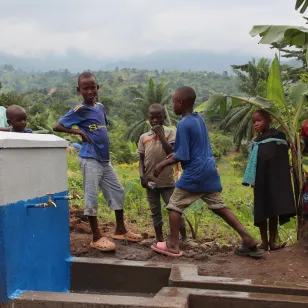
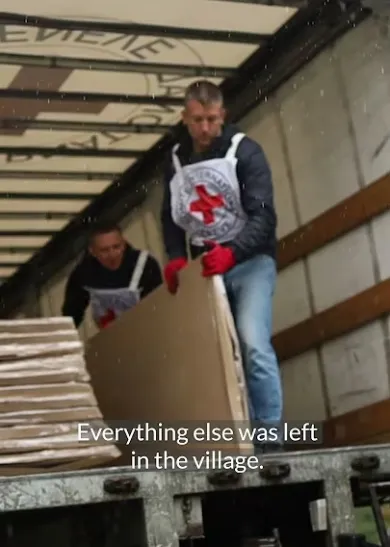
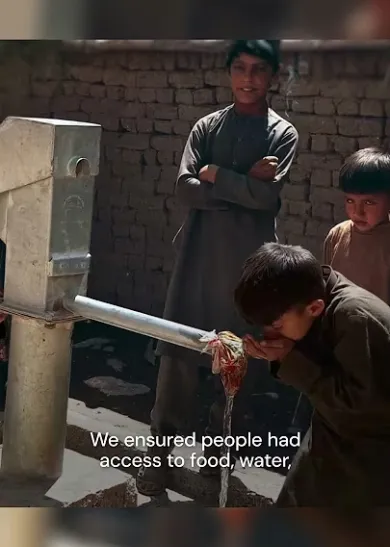
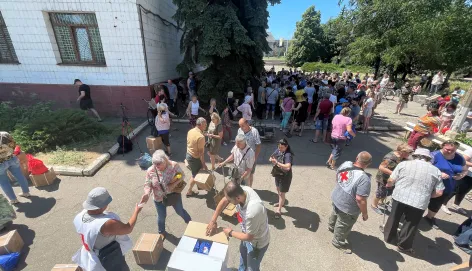
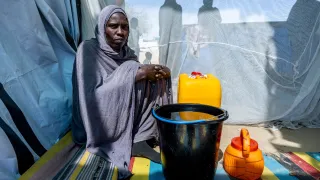
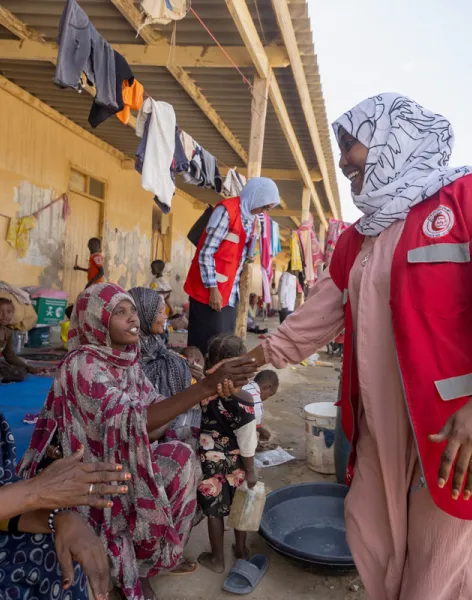
The ICRC disinfects wells and distributes water, food and household items to people who have fled their homes. It also supplies rural communities with the means to grow their own food. With a view to helping the Ivorian government assume its responsibilities by providing basic water and health services, the ICRC offers its support to the national water board and health-care centres located in at-risk areas. Where there are no health-care facilities, the ICRC and the Red Cross Society of Côte d'Ivoire set up mobile clinics for those worst-hit by the crisis.
Restoring family links
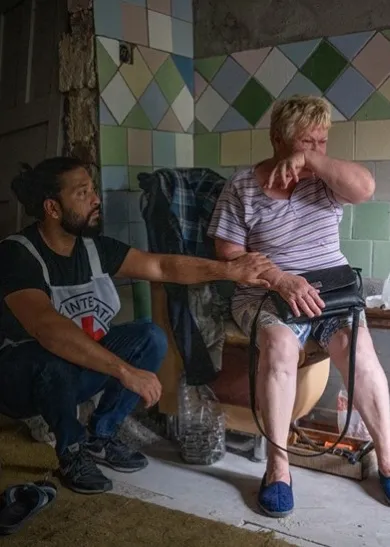
As a result of the conflict, hundreds of families ended up scattered and living with the anguish of not knowing what had become of their relatives. Many Ivorians sought refuge in neighbouring countries. The ICRC, in conjunction with the Red Cross Societies of Guinea, Ghana and Liberia, therefore set out to locate these people and helped them to get back in touch with their families. Some, particularly unaccompanied children, were reunited with their families. This is an ongoing process.
Helping detainees
ICRC delegates visit detainees in Côte d'Ivoire, Benin, Burkina Faso and Togo and communicate their findings and recommendations in confidence to the authorities. Where necessary, it works with them to improve the detainees' living conditions and treatment. Depending on the urgency of their needs, the ICRC might distribute food and hygiene items, or take action to ensure that they have access to health care. It also helps to refurbish some prison facilities, in particular kitchens and sanitary facilities.
Promoting international humanitarian law
The ICRC supports the national authorities' efforts to foster compliance with international humanitarian law (IHL). It encourages the armed and security forces and armed groups to comply with IHL and other applicable provisions. The ICRC shares with the authorities its findings about how security forces conduct their operations. It also reminds them of the importance of respecting the fundamental rights of civilians.
Engaging in dialogue with weapon-bearers
Given the latent political and intercommunal tensions in some countries in the region, the ICRC has stepped up its dialogue with the local and national authorities, with armed groups and with influential members of society and the media. The purpose of this dialogue is to raise awareness and foster understanding of, and compliance with, humanitarian law. These efforts are key to guaranteeing the safety of ICRC and National Society staff as they come to the aid of people affected by violence.
Supporting National Societies
The ICRC strives to boost the operational capacity of the National Societies in the region by providing structural, financial, material and logistical support in addition to training and advice.
-
Share
|