The ICRC in South Sudan
Highlights
Facts and Figures
Since January 2013, the ICRC has provided emergency surgical care to those wounded during armed violence in Jonglei. The ICRC has a rapid-response surgical team that can be deployed to treat the seriously wounded.
- The ICRC deployed surgical teams to Walgak twice, Pibor, Bor and Nasser (Upper Nile) to operate as fast as possible, and also treated the wounded from Jonglei in the Malakal teaching hospital. Additionally, the ICRC has made several donations of medical consumables to other health-care actors.
- The ICRC also provides its assistance to help restore and maintain family links for those separated by the violence, wherever possible, and visits people in detention.
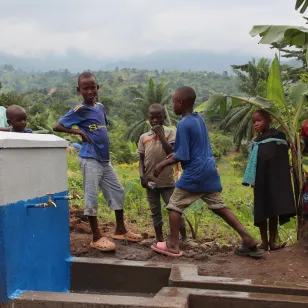
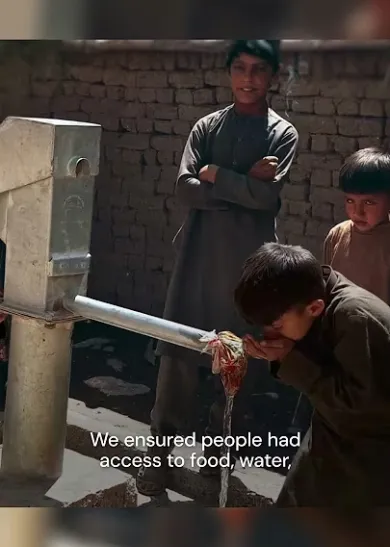
- In March, the ICRC distributed 2,000 fishing kits for around 12,000 people affected by the violence in Pibor and Gumuruk, and it repaired 7 hand pumps contributing to increased access to water.
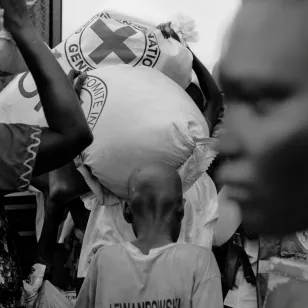
- The ICRC is also actively involved in providing humanitarian assistance to parts of Jonglei, namely the northern part of the State. The humanitarian effects of wide-scale cattle raiding are particularly acute in places, as well as those resulting from rivalries between different groups. In this respect, the ICRC was able to provide essential food and non-food assistance to around 5,000 people in two northern Jonglei locations, Pieri and Waat, in May and June 2013.
In images More images
-
Share
|

South Sudan: Humanitarian situation in some areas a cause for concern
South Sudan: Thousands more affected by violence
South Sudan: Putting people separated by conflict back in touch
South Sudan: aid reaches thousands of refugees in Maban county
South Sudan: water shortages hit crisis point in refugee camps
ICRC in South Sudan: delegation newsletter - July 2012
VideoSouth Sudan: Teaching the rules of war in the world's youngest country