• Send page
  • Print page

The ICRC in Haiti

15-05-2011 Overview

The Port-au-Prince delegation covers Haiti and the Dominican Republic. Haiti has suffered political disturbances, internal violence and natural disaster. The 2010 earthquake killed hundreds of thousands and left 1.5 million homeless. In coordination with the Movement, the ICRC is focusing on some of the most vulnerable people, such as victims of violence in urban areas, prisoners and children separated from their families.

The earthquake of 12 January 2010 brought death and destruction to a country where many already faced violence in urban areas, hurricanes and floods. Vast numbers of Haitians live in difficult conditions, with poverty and crime exacerbating the humanitarian situation, especially in urban areas.

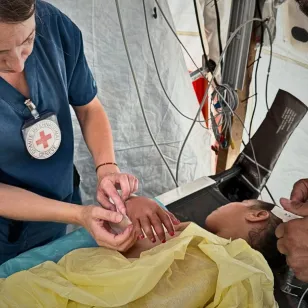
The ICRC had been supporting the Haitian Red Cross for many years, so when the earthquake struck, the ICRC and Haitian Red Cross had the advantage of already being on the spot, enabling the two organizations to respond rapidly. In coordination with other members of the International Red Cross and Red Crescent Movement, they distributed food, water and other essentials, provided first aid, supported medical facilities and enabled families to re-establish contact via satellite phone and the web.

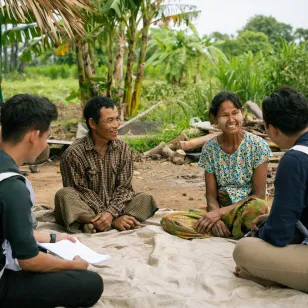
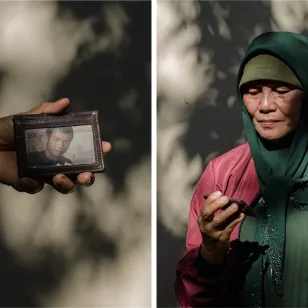
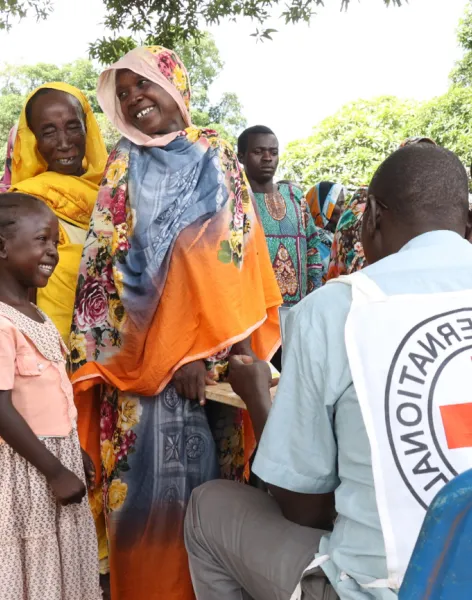
The ICRC and the Haitian Red Cross continue their efforts to trace the families of children who became separated following the earthquake. At the same time, the ICRC has resumed its pre-quake work which included visiting detainees, renovating water systems and helping the victims of violence in urban areas.

The ICRC opened a permanent delegation in Haiti in 1994 and since then has been visiting prisons and police stations regularly, striving to ensure respect for the lives and dignity of detainees. ICRC delegates conduct face-to-face interviews with prisoners, an element that gives the organization an in-depth understanding of the issues. At the same time, the ICRC maintains confidential dialogue with the authorities, helping them to improve prison conditions.

The ICRC's detainee work includes support for health and technical services and repairs to water systems. In emergencies, the ICRC distributes food and hygiene materials to detainees and provides medical care. Prisoners in Haiti often live in overcrowded cells with limited access to water, open air and health facilities, so ICRC support makes a real difference.

In 2004, internal violence threatened to degenerate into armed conflict and the ICRC responded by stepping up its presence. The organization started providing clean water to 200,000 people living in Cité Soleil, one of the poorest urban areas. Since then, the ICRC has been working with the authorities and the water boards to repair pumping stations and reform water management.

In Cité Soleil, fighting involving gangs, Haitian police and MINUSTAH (United Nations Stabilization Mission in Haiti) was killing and injuring innocent civilians. Here and in Martissant (another violence-prone area of Port-au-Prince) the ICRC helps Haitian Red Cross volunteers to provide first aid and promote health and hygiene. Since 2004, more than 10,000 sick or injured people have been evacuated for treatment via ICRC-supported Red Cross emergency facilities in these two areas.

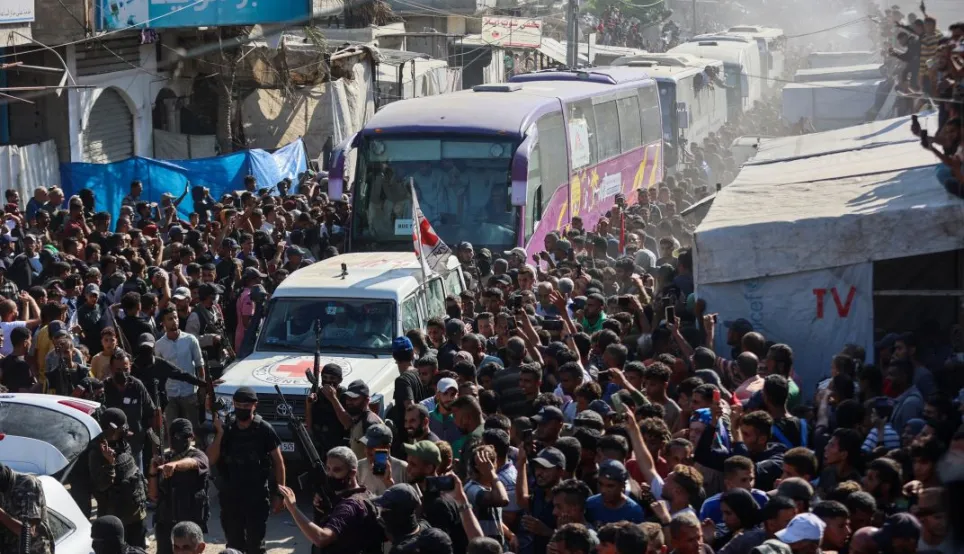
To ensure that everyone understands the ICRC's activities and respects the victims of violence, the organization maintains a wide range of contacts and conducts information sessions for the authorities, community leaders and weapons bearers. In the case of weapons bearers (who include police officers, MINUSTAH soldiers and gang leaders) the ICRC also promotes basic humanitarian principles. The ICRC uses local radio to get its message across, emphasizing the importance of protecting the staff and ambulances of the Haitian Red Cross, which is the ICRC's principal partner in Haiti.


Photos


A little girl is reunited with her family thanks to the joint ICRC/Haitian Red Cross programme to restore family links.
© ICRC / O. Mitcheva / ht-e-00636