© ICRC / Thierry Gassmann / emb-e-00021
The coming into force of this Protocol - and with it the additional emblem of the red crystal - is considered a concrete sign of the predominance of humanitarian principles over any other considerations governing the mission of the International Red Cross and Red Crescent (RCRC) Movement.
The possibility of using the red crystal will make it easier for national societies who do not wish to use the red cross or the red crescent emblems to be recognized and admitted to the Movement. This consolidates the Movement's universality.
The Protocol provides for new flexibility, allowing national societies to include a combination of emblems recognized by the Geneva Conventions inside the red crystal for their identification.
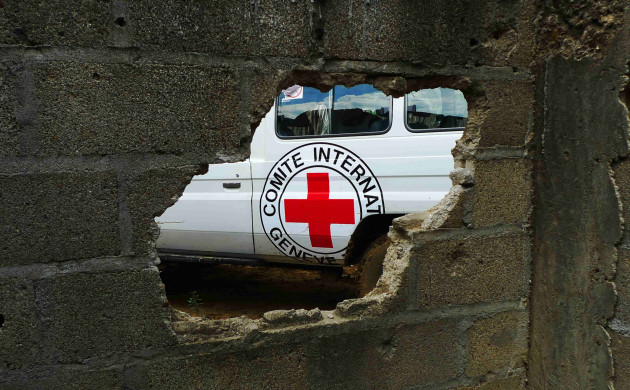
Under international law, the red crystal offers the same protection as the red cross and the red crescent when marking military medical personnel, establishments and transport; the staff of national societies; staff, vehicles and structures of the ICRC and the International Federation. (Existing law - Additional Protocol I of 1977 - also allows use of the emblem by certain civilian medical establishments.)
The ICRC and the International Federation are allowed to use the red crystal in exceptional circumstances, if they consider it necessary for their work; but they will not change their present emblems or names.
The longer-term challenge is now to secure the same world-wide recognition and respect for the red crystal as given to the red cross and the red crescent. This will facilitate access by humanitarian workers to victims of conflict and other crises, in particular in situations where the use of an emblem devoid of any perceived political, religious, cultural and connotations may be an advantage.