Afghanistan: A visual journey through Afghanistan’s humanitarian challenges and ICRC’s humanitarian response

Afghanistan continues to face one of the world’s most severe humanitarian challenges. In 2025, an estimated 22.9 million people - nearly half the population - required humanitarian assistance due to decades of armed conflict, economic difficulties, natural disasters, and climate change. Limited livelihoods, persistent unemployment, and limited access to healthcare are pushing many families to the brink of survival.
The situation disproportionately affects the most vulnerable, including malnourished children, the elderly, people with disabilities, female-headed households, and daily wage earners. With weak safety nets and diminishing coping mechanisms, these groups face an uncertain future.
Natural disasters and large-scale population movements have further intensified needs. Earthquakes, droughts, floods, and changing weather patterns have destroyed crops, displaced families, and damaged homes and essential infrastructure, worsening food insecurity and overwhelming local response capacities. At the same time, millions of Afghans have returned from Pakistan and Iran in 2025, often arriving with little support, placing additional pressure on already overstretched healthcare, water, food, and protection services, particularly in border provinces.
Overall, Afghanistan’s humanitarian challenges are driven by intersecting economic instability, climate shocks, displacement, economic sanctions, and reduced international engagement. While life-saving aid remains essential, sustained efforts are urgently needed to restore livelihoods, address root causes, and build resilience. These images reflect not only the dire humanitarian situation, but also the resilience and dignity of the Afghan people.
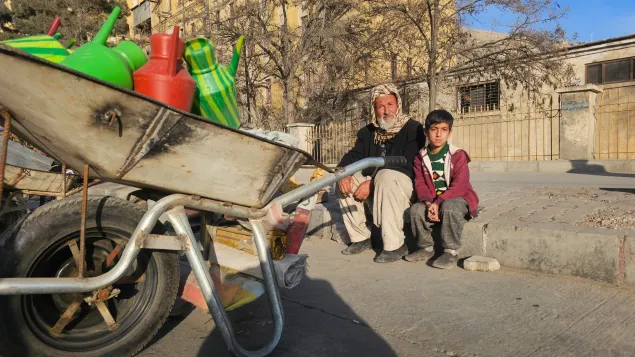
As winter sets in during 2025, millions of Afghans are faced with heightened hardship due to extreme cold, poverty and inadequate shelter. Families displaced by recent disasters, including the Kunar earthquake, are among the most vulnerable, with many still living in tents or damaged homes as temperatures dropped.
“I live in a rented house with my seven-member family. I am a daily wage worker, earning only 50 AFN (USD 0.9) a day with the help of my son, while the rent is 3,000 AFN (USD 45) an amount we have been unable to pay for the past two months. As winter grows colder each day, our home grows emptier. There is no fuel or materials to burn [to keep warm], the cold has made my family sick, and there are days when not even a loaf of bread is available in our home.” Mir Wali, 73 years old who lives in Kabul laments.
Winter conditions also intensify broader challenges in the country, where economic hardship and food insecurity have left many households unable to prepare for the cold season.
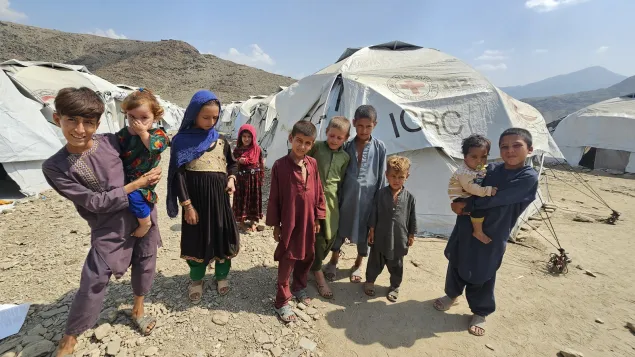
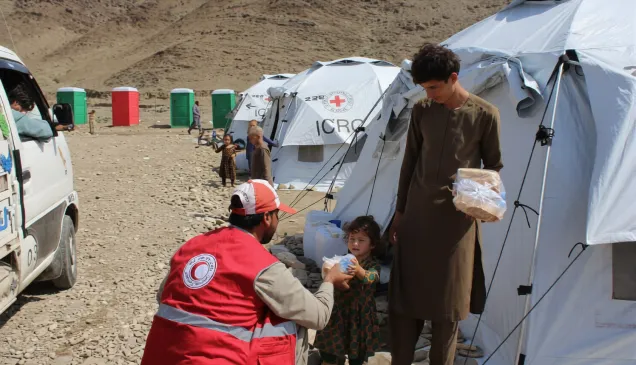
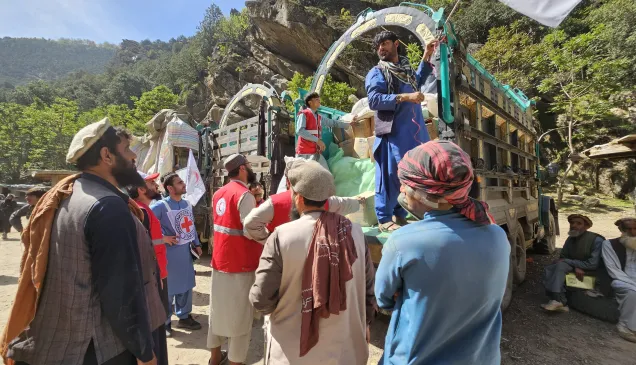
A powerful 6.0-magnitude earthquake struck eastern Afghanistan on 31 August 2025, devastating large parts of Kunar, Nangarhar and Laghman provinces. The disaster killed more than 2,200 people, injured thousands and destroyed over 6,800 homes, leaving families without shelter in mountainous, hard-to-reach areas. Within hours, the International Committee of the Red Cross (ICRC) began supporting the Afghan Red Crescent Society (ARCS) and local authorities, prioritizing emergency medical services for survivors in areas where health facilities were overwhelmed or inaccessible and temporary shelter for those displaced.
The ICRC also provided critical physical rehabilitation services to those affected by the earthquake to reduce the risk of long-term health complications and related disabilities and contribute significantly to their early recovery. The Physical Rehabilitation Centre in Jalalabad provided physiotherapy and early rehabilitation services to 983 men, women and children.
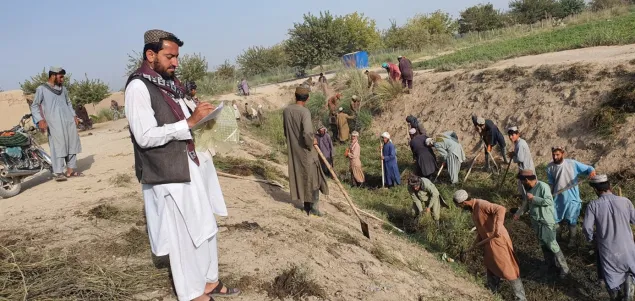
In 2025, the ICRC through its economic security programs in Afghanistan assisted communities strengthen their livelihoods and improve food security amid ongoing economic hardship by improving restoring irrigation infrastructure, agricultural practices and providing technical training to farmers in several provinces. Alongside this, the ICRC launched cash-for-work projects including restoring irrigation canals, thus providing short-term income to thousands of community workers.
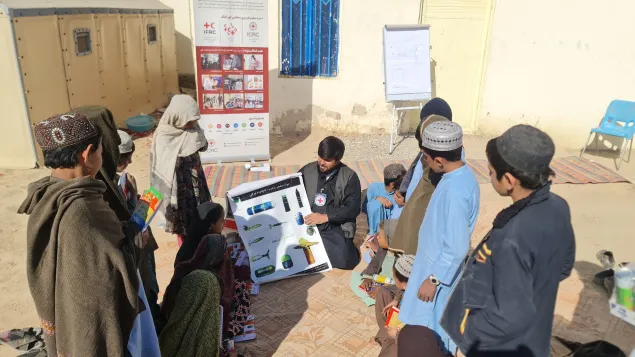
The ICRC continued to address the threat of landmines and unexploded ordnance (UXO) across Afghanistan, where decades of armed conflict have left communities, especially children at constant risk. Through its Risk Awareness and Safer Behavior (RASB) program, implemented in partnership with the ARCS, the ICRC delivered community awareness sessions to help people identify and avoid explosive hazards. Alongside these prevention efforts, the ICRC sustained long-term assistance to mine and UXO victims through its Physical Rehabilitation Program. Thousands of people with disabilities received prosthetics, orthotics, physiotherapy, mobility aids, and were given vocational training and micro-credit.
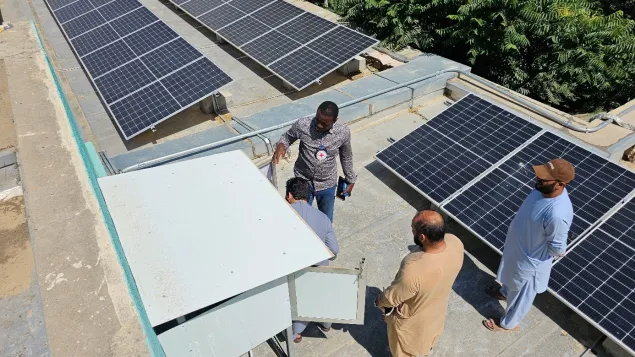
In 2025, the ICRC strengthened its efforts to provide reliable, sustainable electricity in Afghanistan, integrating environmental protection and climate resilience into its programs. Interventions included hybrid solar-grid systems for hospitals, such as Mirwais Regional Hospital, to ensure uninterrupted critical health services. In Kunduz Province, more than 3,000 people benefited from improved electricity following equipment donations to Da Afghanistan Brishna Sherkat (DABS). The ICRC also upgraded water-supply infrastructure in rural and urban areas, installing solar-powered and hybrid pumping systems that support access to safe water and irrigation for agriculture.
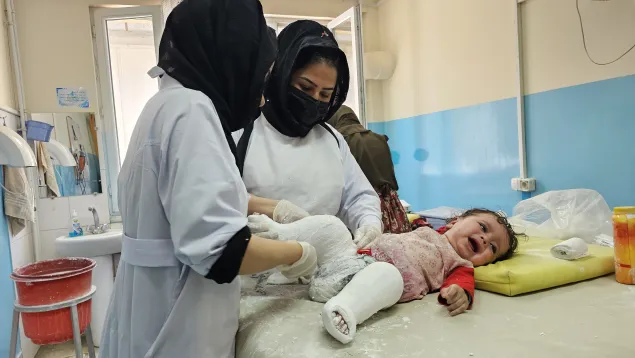
The ICRC continued supporting people with disabilities in Afghanistan through its Physical Rehabilitation Program. Between January and November 2025, more than 201,000 patients were treated at seven ICRC-supported centers, including about 13,000 new patients, receiving services such as 30,296 prosthetic and orthotic fittings, 324,157 physiotherapy sessions were conducted, and comprehensive follow-up care for 933 people with amputations. Alongside medical care, the program promoted social inclusion and self-reliance through over 10,307 home visits, vocational training for 407 people, 1,720 interest-free microcredit loans to support livelihoods, and specialized support for children with disabilities, ensuring rehabilitation efforts to restore mobility, dignity, and economic participation.
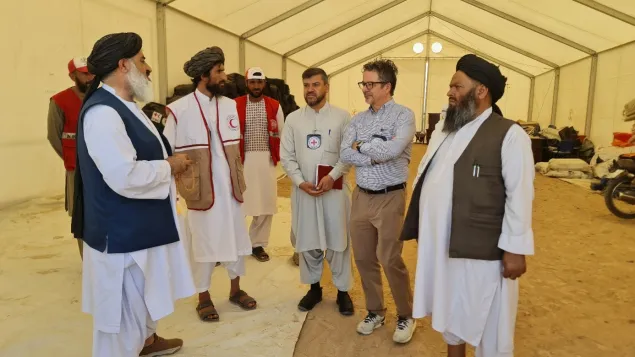
This year, Afghanistan saw a sharp rise in refugee returns from Iran and Pakistan, straining fragile communities and services. Many returnees arrived with urgent humanitarian needs. In response, the ICRC, together with the ARCS and Red Cross and Red Crescent partners, provided emergency assistance at key border crossings, including primary health care, safe water, temporary shelter, and sanitation, with special attention given to the needs of women, children, older people, and persons with disabilities.
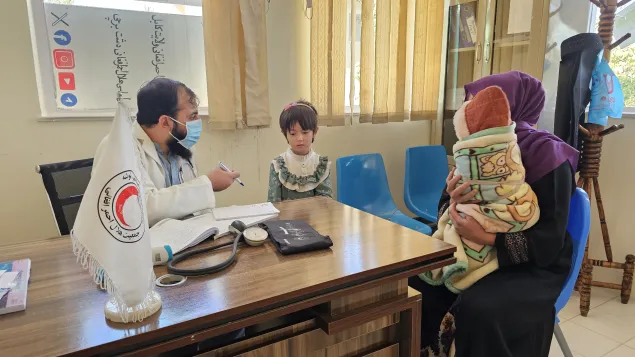
The ICRC continued to strengthen access to essential health care in Afghanistan through its close partnership with the ARCS. Between January and June 2025, the ICRC supported, 47 ARCS basic health clinics in delivering primary health services to more than 608,600 patients, the majority of whom were women and children living in areas with limited access to medical care. During this period, the clinics administered over 164,000 routine vaccination doses, contributing to the prevention of communicable diseases, and provided nutrition support to 4,182 malnourished children, addressing critical public health and child survival needs.
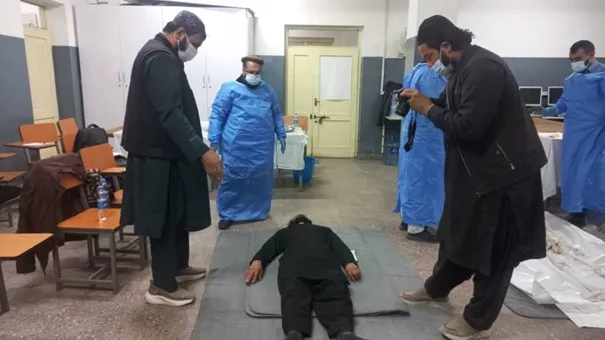
In Afghanistan, years of conflict and recurring natural disasters have left many families searching for missing loved ones. In 2025, the ICRC continued working with the Afghan authorities to strengthen their capacities in the management of the dead, supporting both in the search for missing persons cases and during mass casualty events. The ICRC provided material and technical support to the Kabul Municipality and donated over 50,000 forensic items to 32 Legal Medicine Departments across the country. Donations included body bags, protective gear, surgical and hygiene supplies, stationery, and IT equipment. The ICRC also and provided trainings on various forensic thematic, such as forensic photography and staff health and safety.
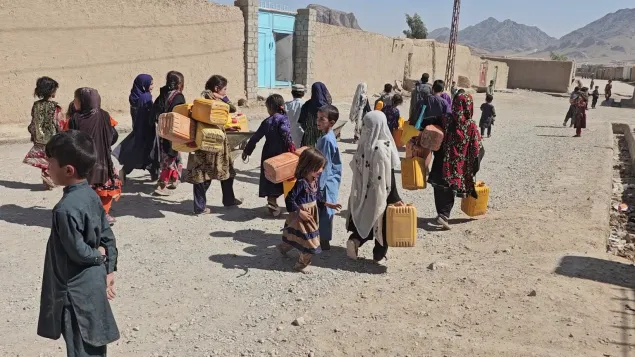
Afghanistan continued to face an acute water crisis in 2025, driven by prolonged drought, climate change, and decades of past armed conflict that damaged water infrastructure. Millions of people lack reliable access to safe drinking water, forcing many especially in rural areas to rely on unsafe sources, increasing waterborne diseases and threatening food security and livelihoods. In response, the ICRC supported communities and authorities to restore and strengthen water systems. The ICRC is working with the Urban Water and Sewage Corporation (UWASS) to upgrade urban networks, repair rural hand pumps, and promote safer water management, improving access to clean water for hundreds of thousands of people.
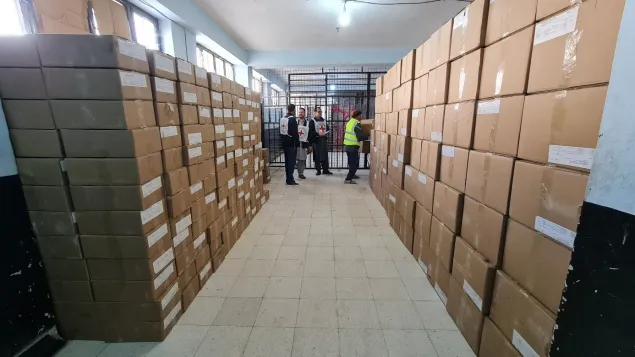
In 2025, the ICRC continued its neutral and confidential engagement with the Office of Prison Administration to promote humane conditions in Afghan detention facilities. Between January and June, ICRC teams conducted 31 visits to 12 detention facilities, holding private interviews with detainees and engaging with authorities on living conditions, treatment, and access to essential services such as water, sanitation, health care, and family contact. Alongside monitoring, the ICRC provided practical support. 16,629 detainees received hygiene items from the ICRC, around 18,000 benefited from supplementary food during Ramadan, and health services included a scabies response for over 12,000 detainees and staff, as well as access to physical rehabilitation for detainees with disabilities, addressing urgent needs while reinforcing minimum humanitarian standards.