Children and adolescents in armed conflicts in Colombia

The involvement of children and adolescents in armed conflicts continued, one of the most serious manifestations of which is their recruitment, use and participation in hostilities. This not only has immediate consequences on their lives, integrity and development, but also profoundly weakens the social fabric and compromises the future of entire communities.
In 2025, in five of the departments where the ICRC is present, 65 cases of missing minors related to recruitment were documented. These cases highlight the link between the involvement of minors in armed conflicts and disappearance as a humanitarian consequence. For families, the loss of all contact with their children, without knowing whether they are alive or dead or where they are, creates profound uncertainty and prolonged suffering.
Most of these cases involved adolescents between the ages of 15 and 17. However, there were also cases involving boys and girls between the ages of 11 and 14. Moreover, 49 per cent of missing minors were girls, which shows that this issue affects both men and women.
In addition to cases of disappearance, the ICRC became aware of 58 incidents related to the recruitment, use and participation of children and adolescents in hostilities, each of which may involve one or more minors. Although this information does not reflect the full scale of the phenomenon, it does help identify some of the ways in which the involvement of minors occurs.
Both documented cases and known facts show that these practices do not occur in isolation. Most of the time, such practices are preceded by various forms of contact with minors that create the conditions for them to take place. In 43 per cent of the situations analyzed, the first type of contact was linked to the possibility of accessing employment or engaging in a productive activity. In areas where educational, economic and social opportunities are limited, such proposals can be presented as a real alternative.
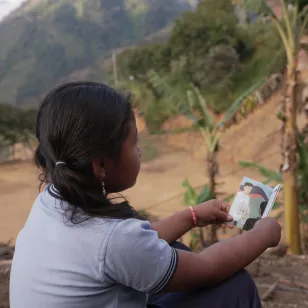
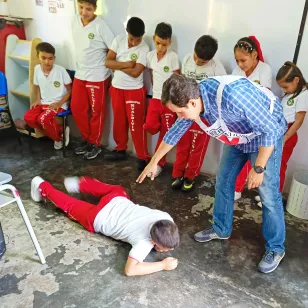
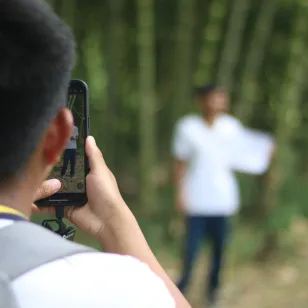
These contacts often take place in everyday settings. In 46 per cent of situations, the first contact occurred in settings such as a neighbourhood or town centre, that is, in the same places where minors live, study and socialize. In other cases, contact occurred through deception in emotional relationships or in situations marked by threats or coercion.
In addition to the aforementioned contact strategies, social media is used to establish contact with minors through promises of money, recognition or power. Although the use of social media was not evidenced in the cases documented directly by the ICRC, its growing presence reflects an evolution in the ways in which children and adolescents become involved in armed conflicts.
Such dynamics occur in environments where multiple factors converge. The presence of armed actors within communities, the weakening of protective spaces such as schools, and the lack of opportunities create conditions that foster this phenomenon and contribute to its persistence.
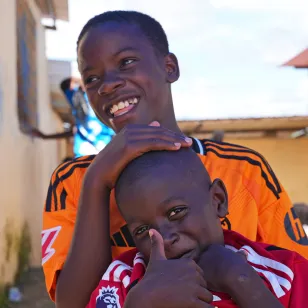
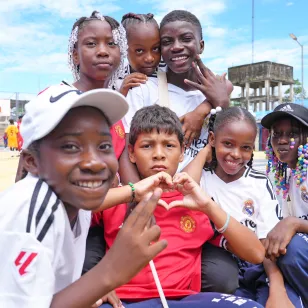
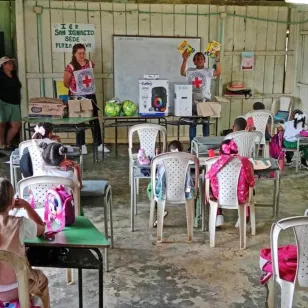
Once recruitment has taken place, many children and adolescents are transferred to other areas of the country, causing a break with their family, social and cultural environment. This uprooting makes contact with their families difficult and limits access to protection.
The consequences of this involvement go beyond family separation, as these include the loss of life plans, psychological effects, exposure to sexual violence, as well as injuries, mutilations and deaths in the context of hostilities. The proximity to war exposes minors to particularly serious risks.
In this context, the rules of IHL are decisive. In Colombia, persons under the age of 18 enjoy special protection and must not be recruited or used in hostilities. Likewise, property intended for their protection, such as schools, must be respected and not used for military purposes.