Advancing Peacekeeping and the Humanitarian Imperative in a Fragmented World

The International Committee of the Red Cross (ICRC), in collaboration with the United Service Institution of India (USI) and the Centre for UN Peacekeeping (CUNPK), hosted the USI Annual UN Forum under the theme “Advancing Peacekeeping and the Humanitarian Imperative in a Fragmented World” on 23-24 October 2025 at USI, New Delhi.
The two-day event convened over 100 participants, including senior Indian Army officers, diplomats, UN representatives, and foreign Defence Attachés, to discuss the evolving dynamics of peacekeeping and the critical role of International Humanitarian Law (IHL) in addressing the humanitarian challenges of modern conflicts. This forum underscored India’s growing leadership in peacekeeping and its commitment to global humanitarian dialogues.
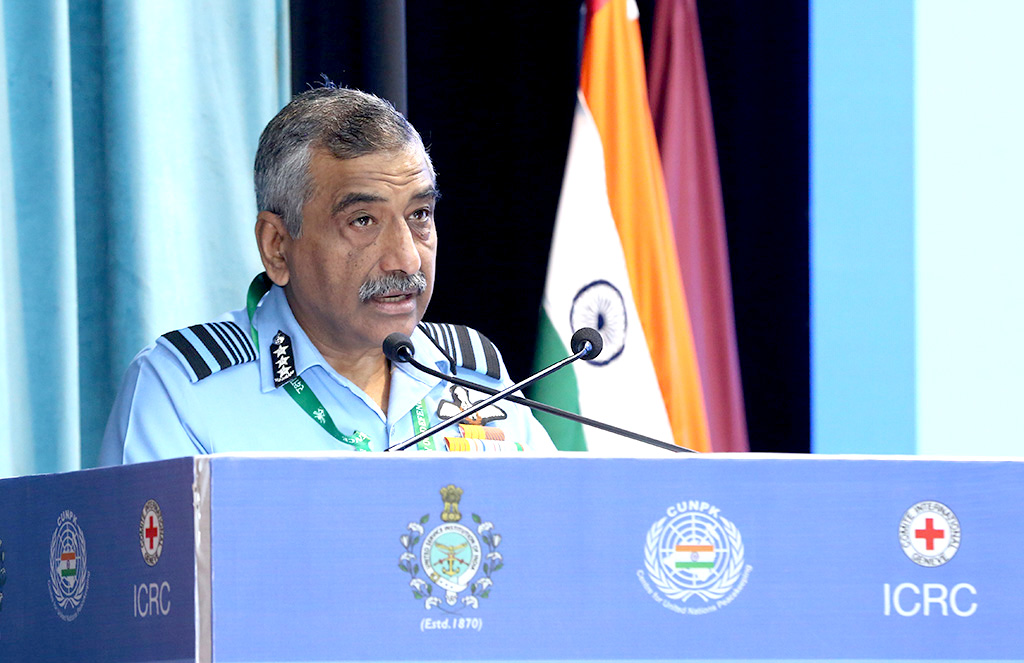
Air Marshal Ashutosh Dixit, AVSM, VM, VSM, Chief of Integrated Defence Staff, delivered the keynote address highlighting India’s longstanding contributions to UN peacekeeping missions and its commitment to the protection of civilians.
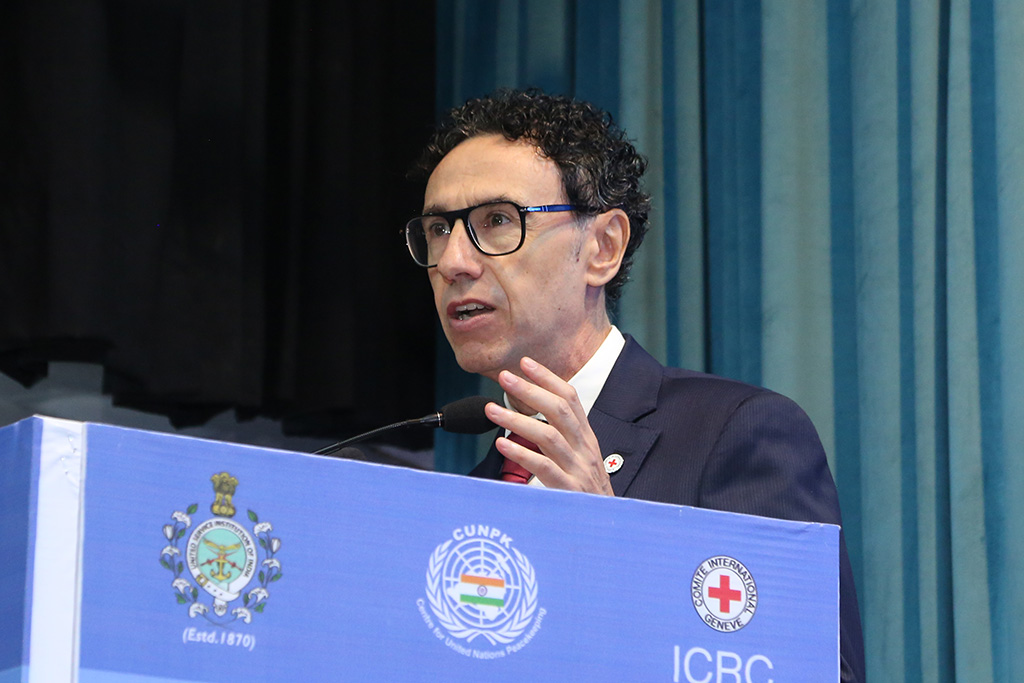
Following this, Mr. Alfonso Verdu Perez, Head of the ICRC New Delhi Regional Delegation, delivered a special address highlighting the critical role of IHL in safeguarding human dignity during conflicts. Emphasizing the need for stronger political will, he informed the audience that the ICRC, along with Brazil, China, France, Jordan, Kazakhstan, and South Africa, have launched the Global Initiative to Galvanize Political Commitment to IHL. Widely supported, it aims to compel states to treat IHL as a political priority and to invest to and ensure respect of IHL. Both speakers set the tone for the event by calling for enhanced collaboration among military, humanitarian, and diplomatic actors to address the challenges of modern peacekeeping.
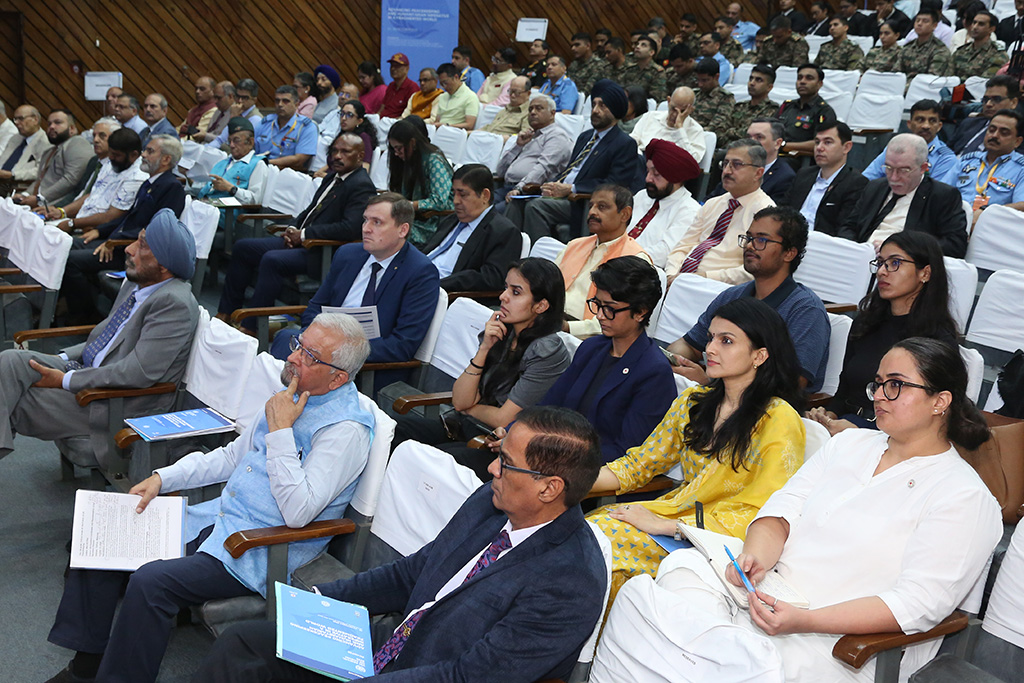
The seminar featured five key sessions that explored pressing issues in peacekeeping and humanitarian action. Discussions focused on the complexities of contemporary conflicts including hybrid warfare, proxy actors, cyber operations, and the deliberate targeting of civilians, all of which have challenged traditional peacekeeping models.
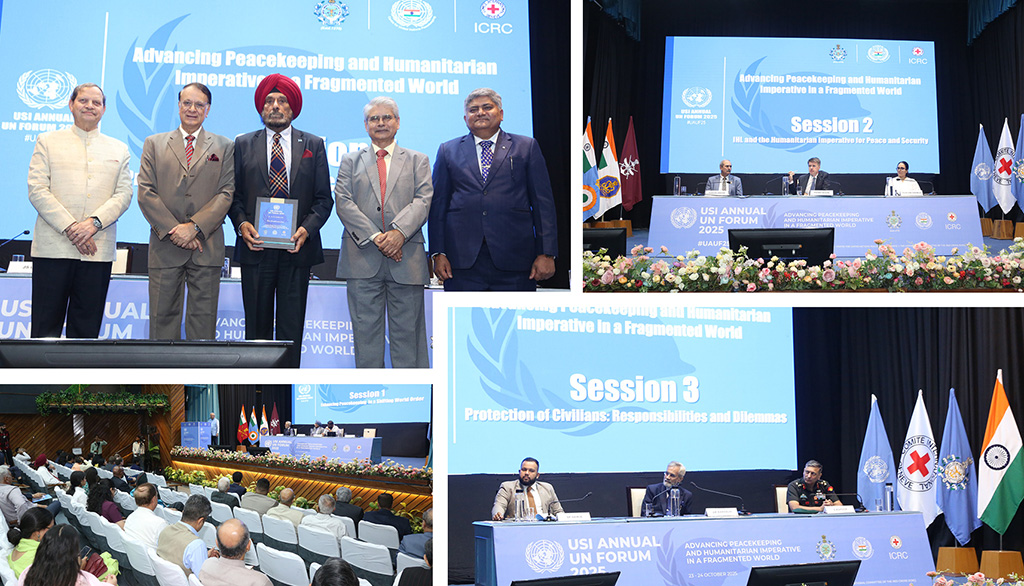
Participants emphasized the importance of political will in ensuring compliance with IHL and achieving sustainable peace. They also highlighted the need for integrated approaches that combine peacekeeping, diplomacy, and humanitarian action to tackle protracted crises effectively. The role of emerging technologies and IHL – such as drones, satellite imagery, and AI – was also explored, with participants stressing the importance of balancing their potential benefits with ethical and legal safeguards.
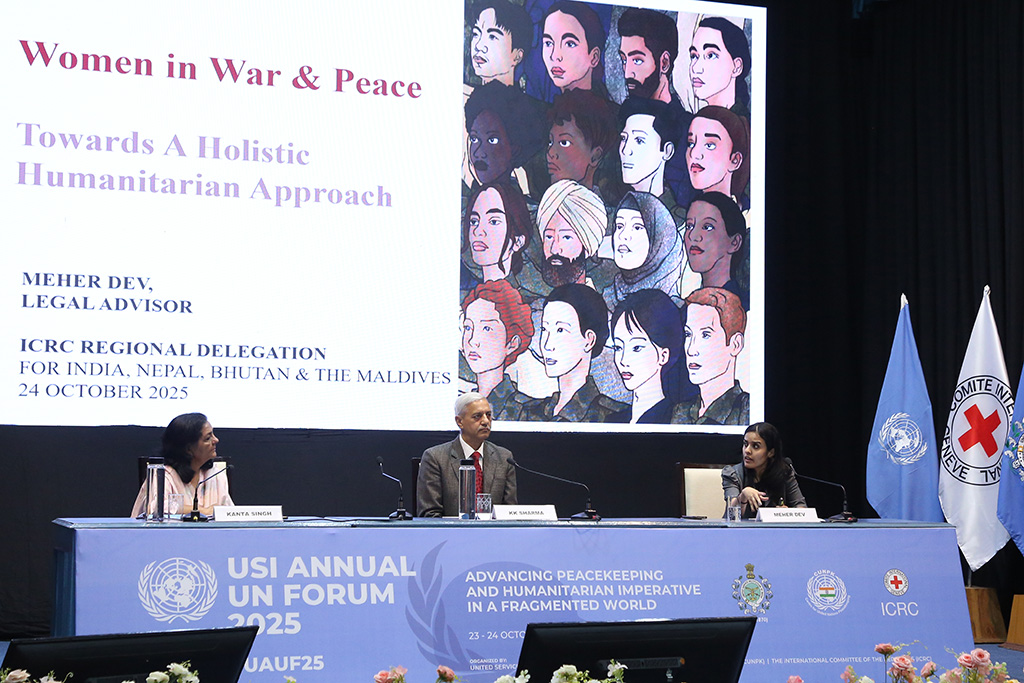
Gender diversity in peace and security was another key focus of the forum. Speakers emphasized that the meaningful inclusion of women in peacekeeping and conflict resolution is not just a moral imperative but a strategic necessity. Evidence presented during the session demonstrated that women’s participation improves negotiation outcomes, fosters community trust, and enhances long-term stability. The discussions also highlighted the need to address structural barriers that limit women’s leadership roles in peace and security frameworks.