ICRC Hosts High-Level Dialogue with Diplomatic Community on Cyber Warfare and IHL

How is cyber warfare testing humanitarian law? The International Committee of the Red Cross (ICRC) delegation to the African Union (AU), with the embassies of Switzerland and Ghana, hosted a high-level dialogue on protecting civilians as warfare becomes increasingly digital.
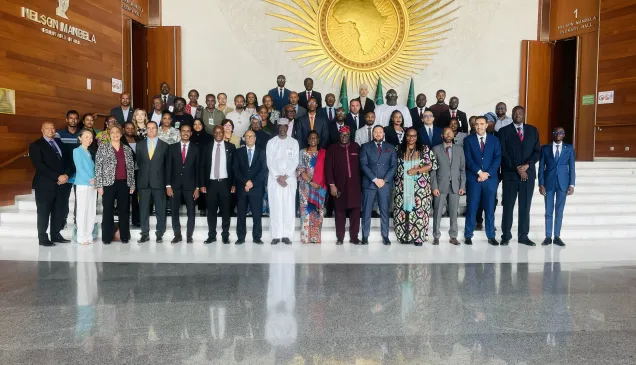
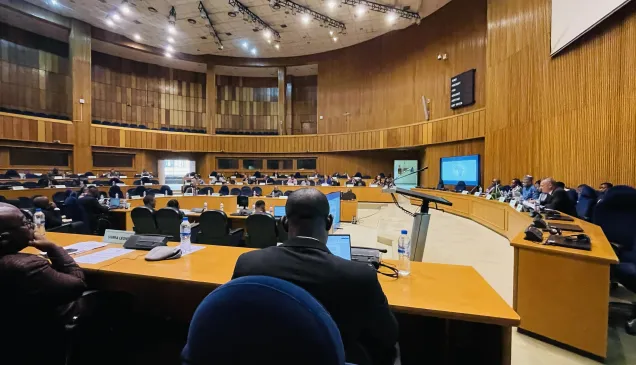
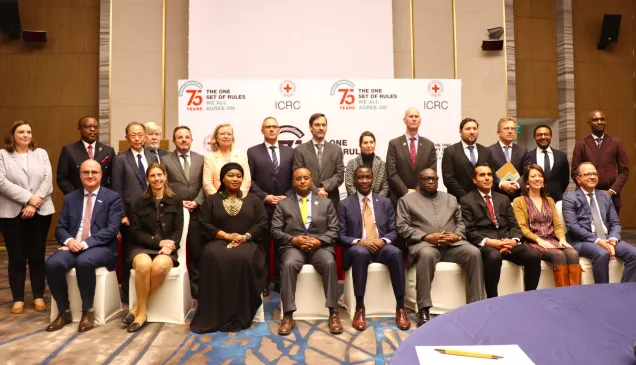
Ninety-five participants, including representatives of AU member states, diplomatic missions, United Nations (UN) agencies, the International Red Cross and Red Crescent Movement, civil society, and policy experts, gathered for the event on 3 June 2026.
The event was themed “Upholding International Humanitarian Law in the Use of Information and Communication Technologies (ICTs) during Armed Conflict.” Life as we know is increasingly shaped by augmented experiences and digital optimization. Every aspect of our day-to-day activities is now being influenced, redesigned, and redirected by digital technologies. If they are not replacing traditional systems, they are certainly transforming most of them.
Warfare is changing in its means with technology, and as the means expand, the risk to civilian protection increases. The extent of this is now on our mobiles every morning. We are witnessing a gradual erosion of the limits to uphold international humanitarian law,” Patrick Youssef, ICRC regional director, told the gathering.
At this very moment, the ICRC, as it has done throughout history, is examining this profound change and its implications for IHL. Emerging technologies of warfare, with their automated, unmanned, and networked systems, have created sophisticated protection challenges, including in Africa, where a significant number of the more than 130 armed conflicts currently taking place around the world are being fought.
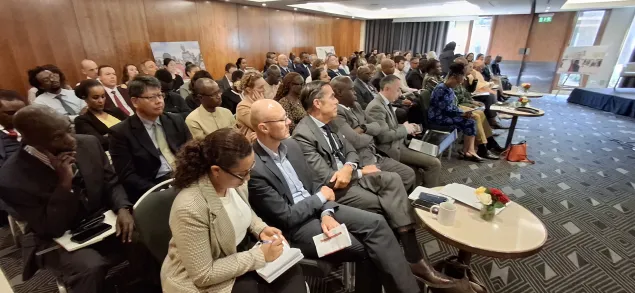
High-level Protection of Civilians (PoC) dialogue among the diplomatic community in Addis Ababa
The challenge in Africa is multifaceted, as it also includes infrastructural limitations that hinder the continent's ability to fully harness and secure advanced information and communication technologies.
New and emerging warfare technologies, including cyber tools, Artificial Intelligence (AI)-augmented capabilities, and other ICT-based means and methods, are exposing civilians and critical infrastructure to increasingly novel forms of harm. This raises profound and pressing questions about how the rules of war should be interpreted and applied to address these evolving challenges.
The ICRC, a humanitarian organization working for the application of IHL, joined forces with the embassies of Switzerland and Ghana to host a high-level Protection of Civilians dialogue among the diplomatic community in Addis Ababa, mirroring the format of the UN Security Council.
The meeting primarily served as a platform to advance discussions on the Global Initiative to Galvanize Political Commitment to International Humanitarian Law (Global IHL Initiative), with a particular focus on its ICT workstream and the draft outcome document currently under negotiation.
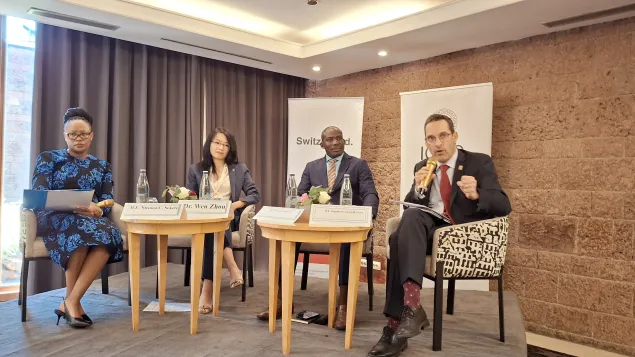
High-level Protection of Civilians (PoC) dialogue among the diplomatic community in Addis Ababa
Engaging discussions highlighted the growing humanitarian consequences of ICT activities during armed conflict, including risks to civilians and critical civilian infrastructure, and underscored the continued relevance of IHL in addressing emerging challenges in the digital domain.
Questions explored included how ICTs, AI, and other emerging technologies are shaping current protection challenges; how the African Union Member States could benefit from the ICT workstream within the Global IHL Initiative; and how the AU should incorporate these emerging challenges and protection concerns into its broader cyber and digital policy frameworks.
The dialogue contributed to broader AU perspectives on digital governance and reinforced the relevance of the Common African Position on the Application of International Law to the Use of Information and Communication Technologies in Cyberspace, adopted by the AU Peace and Security Council in January 2024.
As an outcome, discussions suggested that ICT is a crucial dimension that should be considered in advocating for IHL across the globe.
We should make sure, in all our engagements, in our policy outputs, and even in ongoing IHL initiatives, that we inject this ever-changing ICT and cyber dimension into the documents,” Bruce Biber, ICRC Head of Delegation to the African Union, said in his closing remarks.
The event further strengthened engagement with African states and other global diplomatic missions on emerging protection challenges and helped build support for the objectives of the Global IHL Initiative.