Yemen: ICRC’s humanitarian impact in 2025, a year of deepening crisis

In 2025, Yemen remained one of the world’s most acute humanitarian crises and the fourth largest operation globally for the International Committee of the Red Cross (ICRC).
Saving lives, protecting dignity
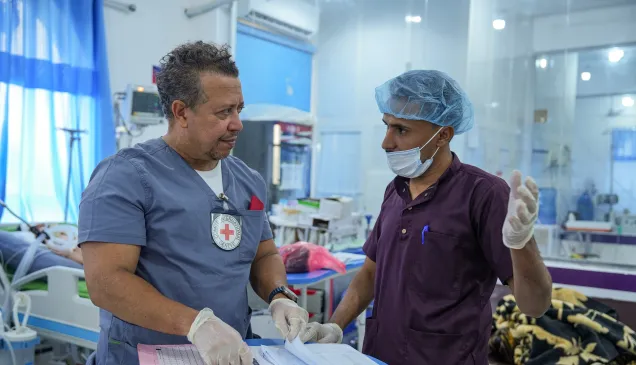
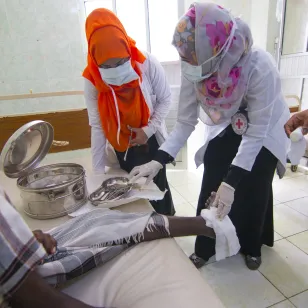
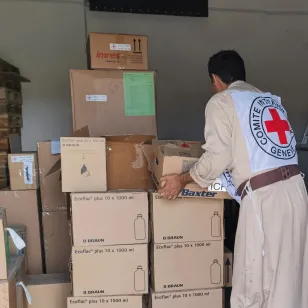
Across Yemen, the ICRC intensified support to health facilities, ensuring that tens of thousands could access medical care despite health systems being under significant strain. Teams provided critical supplies and training to local hospitals and primary care centres, which are struggling to keep services running amid shortages of staff and equipment. Throughout the year, the institution has been also deploying mobile surgical teams to strengthen surgical capacity and support surgical interventions at several hospitals across the country.
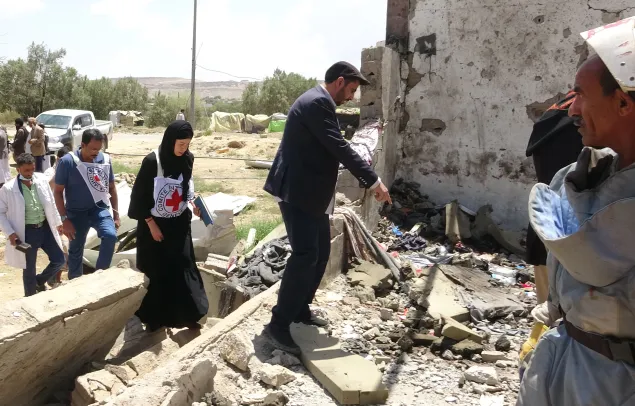
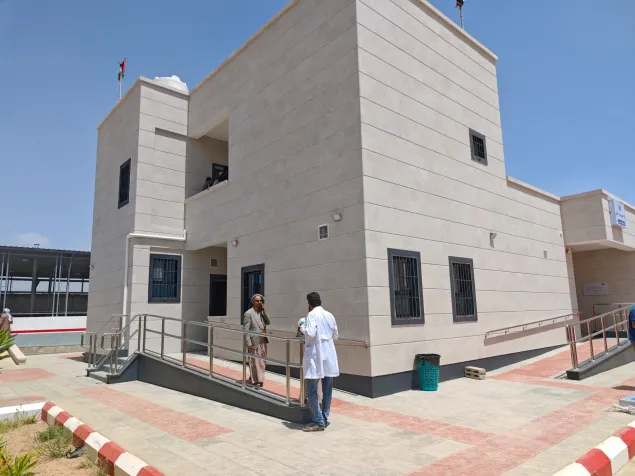
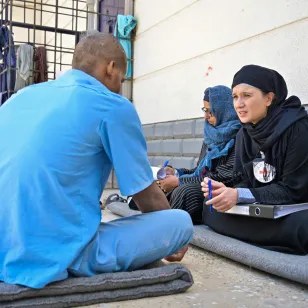
When a deadly attack struck Sa’ada Prison in April, killing and injuring dozens of detained migrants, ICRC and YRCS were among the first to respond, helping evacuate the wounded, managing the dignified care of the dead and calling for stronger protection for civilians trapped in conflict zones and for all parties to respect international humanitarian Law (IHL). In the same facility, the ICRC fully renovated and equipped a new medical clinic in mid-2025, enabling it to provide vital medical care to all the detainees.
Reuniting families, restoring hope
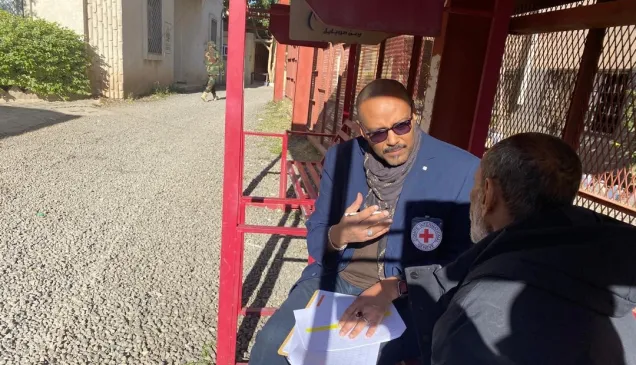
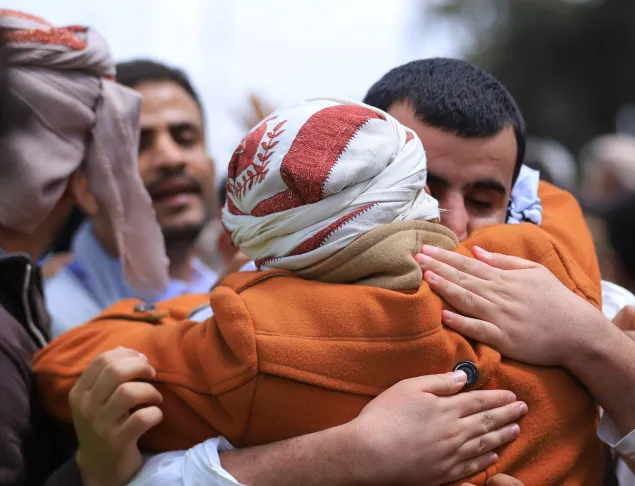
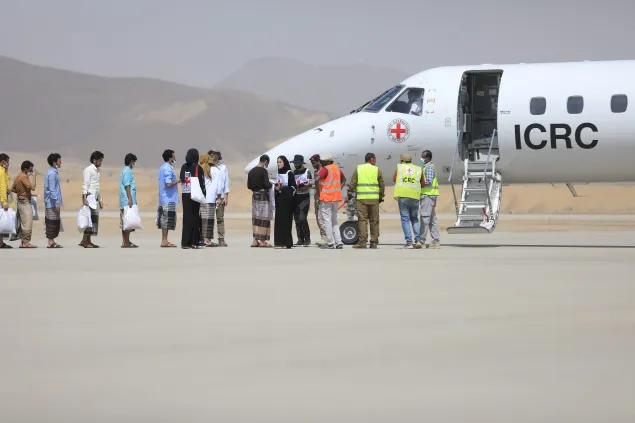
2025 saw significant progress in addressing one of war’s deepest wounds: reuniting families separated by conflict. After sustained dialogue with all sides, an agreement was reached for the unilateral release and repatriation of over a hundred of detainees in January 2025, bringing joy to families who have been waiting in anguish for years. In December, building on commitments made under the Stockholm Agreement of 2018 and precedent prisoners’ exchange operations in 2020, 2023, parties to the conflict reached a preliminary agreement in Muscat for a new round of release of detainees, expected to be the largest of its kind since the beginning of the conflict. The ICRC is prepared to play fully its role as a neutral intermediary and stand ready to implement and oversee safe reunifications of families long torn apart.
In the same occasion, a Declaration on the Dignified Management of the Dead was signed by all parties. Within this framework, the ICRC will also facilitate the transfer of dead bodies and human remains across the frontlines, helping the families to grieve and have the necessary closure.
Water, sanitation and community support
The economic challenges compounded the humanitarian crisis in 2025, with inflation in food and fuel prices, and fragile public services, pushing families into negative coping mechanisms such as selling their properties to support loved ones or gain access to essential and adequate healthcare. According to Food Security and Agriculture Cluster (FSAC) report, by the end of 2025, 18.1 million people were in IPC Phase 3 or worse, with acute malnutrition among children under five remaining alarmingly high.
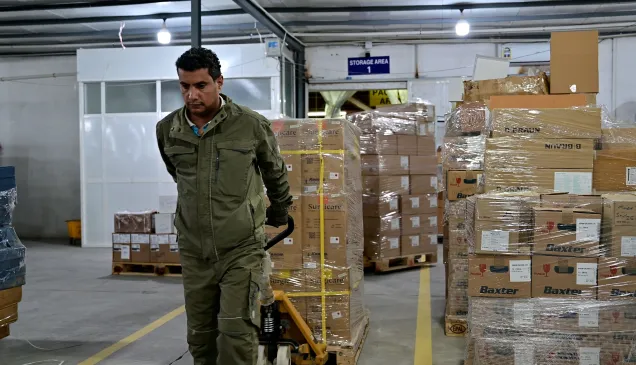
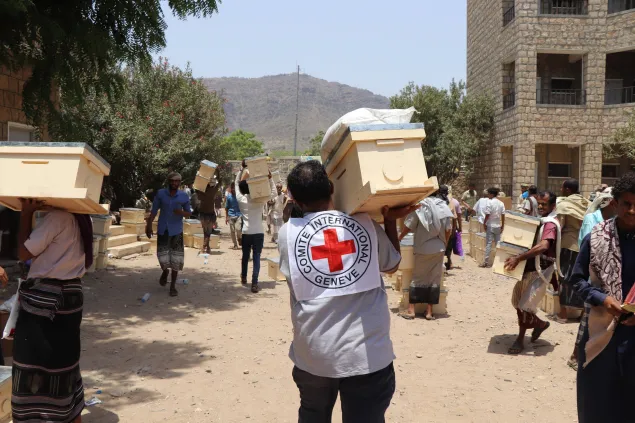
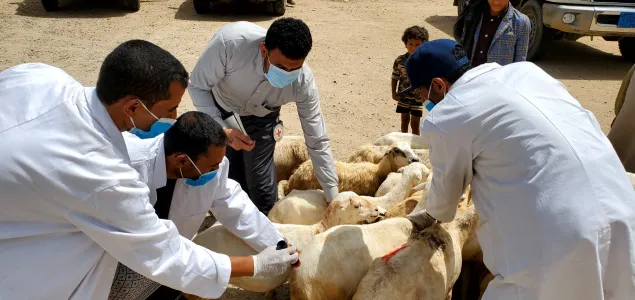
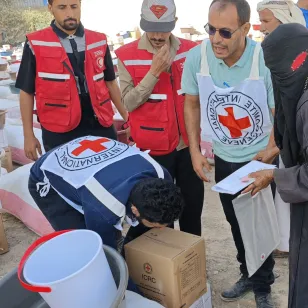
Amid these challenges, the ICRC’s Economic Security programs provided vital assistance to over 1.5 million people nationwide. The programs delivered cash assistance, food rations, and essential household items, while also supporting livelihood diversification through initiatives like empowering beekeeping centers and veterinary projects. A large-scale livestock vaccination campaign preserved rural livelihoods, with 4.9 million animals vaccinated over 2025. These projects enhanced resilience and strengthened livelihood systems, offering a lifeline to millions of vulnerable people and supporting sustainable recovery efforts.
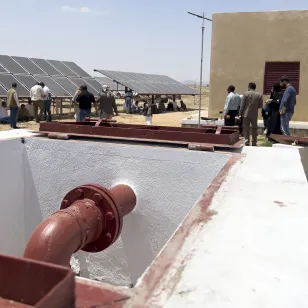
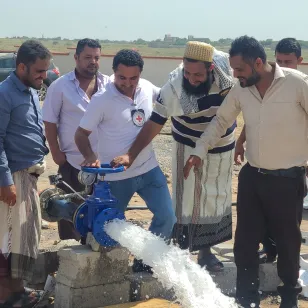
ICRC’s water projects provided clean water for hundreds of thousands of Yemenis in 2025 alone – vital for health, hygiene and survival in communities where basic services are facing serious challenges.
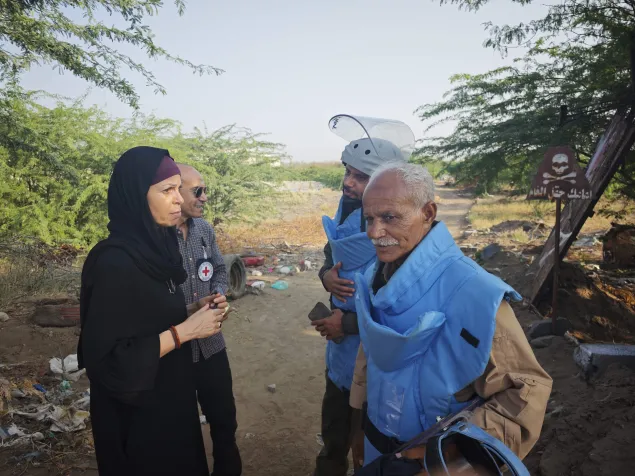
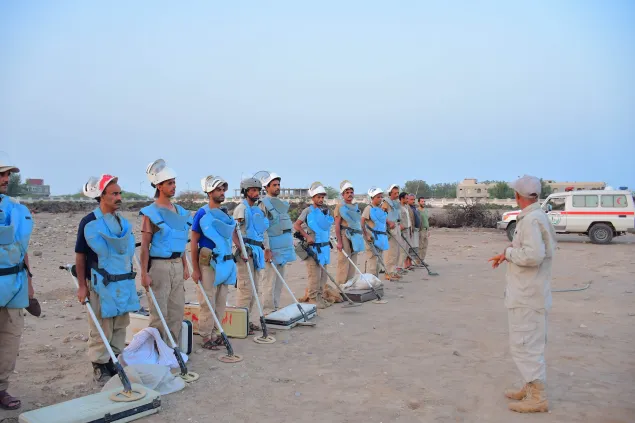
ICRC’s teams continued essential work to reduce the threat of explosive remnants of war, helping local partners clear and destroy unexploded ordnances that still scars farmland, roads and neighbourhoods across governorates such as Hodeida city, Hays or Taiz/Dubab on the Red Sea cost, thereby reducing the risk of death and injury for children and families trying to rebuild normalcy.
Neutral intermediary in a polarized landscape
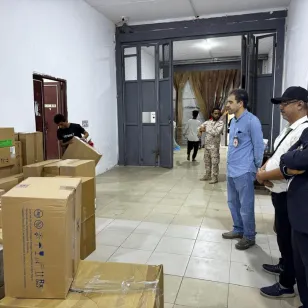
Yemen’s humanitarian needs have particularly deepened over the recent escalation of conflict in the south and east of the country last December. ICRC teams supported the YRCS transfer dead bodies and wounded across the frontlines and to deliver urgent assistance to medical facilities and affected communities. As the violence spread to several southern and eastern governorates, the ICRC has also provided medical supplies to help treat the war-wounded and maintained dialogue with all relevant actors to facilitate humanitarian access. A mobile surgical team was also deployed to Aden to ensure continuity of care for patients with severe injuries after the initial stabilization phase.
Why our support matters
Throughout a challenging year, the ICRC brought help to those most affected by conflict. From medical care to clean water, from family reunification to mines risk education. But the scale of suffering remains vast, and so is the need for a robust funding and support Yemen’s families still struggle for basic dignity and survival. Letting them down at this crucial moment is not an option for the ICRC.
Priorities for 2026 in addressing humanitarian challenges
The ICRC’s priorities for 2026 are to address the escalating humanitarian needs amidst growing military tensions, financial constraints and evolving conflict dynamics. The organization’s approach emphasizes neutrality, impartiality and independence to ensure safe access to vulnerable populations.
The ICRC will focus on emergency response along front lines and during military operations, and fostering dialogue with authorities, armed actors and communities to promote respect for international humanitarian law (IHL). The organization will strive to deliver a timely, integrated assistance to people with greatest needs closer to frontlines
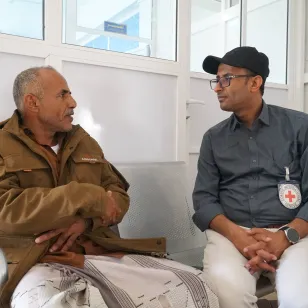
Support for detainees, missing persons and their families remains central to the ICRC’s mandate, alongside efforts to facilitate detainee releases and the exchange of human remains as a neutral intermediary.
The YRCS, will remain the natural and strategic partner of the ICRC. Our combined and coordinated responses will help ensure impactful and sustainable humanitarian assistance across the country.
Through these efforts, the ICRC reaffirms its commitment to protecting and assisting vulnerable populations in conflict-affected areas.