Since hostilities erupted across the Middle East, humanitarian and medical personnel are being caught in the line of fire, putting at risk the lifelines civilians depend on to survive. If this pattern continues, we fear we will soon be grieving more colleagues killed while trying to save lives.
In less than two weeks, these fears are already becoming reality. A Lebanese Red Cross paramedic died from critical injuries sustained while trying to help wounded civilians, and others were injured. In Iran, Iranian Red Crescent Society staff and volunteers suffered casualties while helping civilians amidst hostilities.
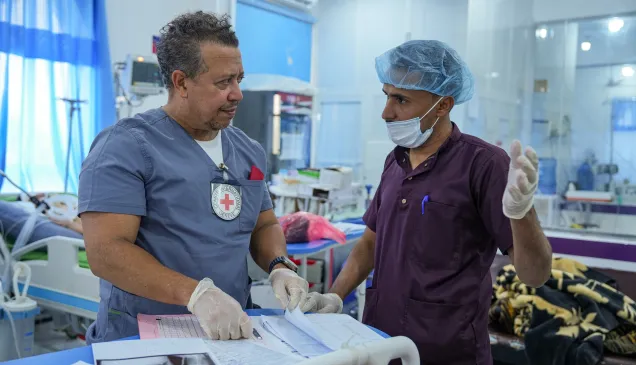
Despite the dangers, Red Cross and Red Crescent staff and volunteers, as well as those of Magen David Adom in Israel, continue to work across the region at great personal risk to support those in need.
Humanitarian personnel are protected under international humanitarian law. One year ago this month, eight Palestine Red Crescent Society (PRCS) paramedics were brutally killed while responding to casualties in Gaza, sparking a global outcry. Yet across conflicts, humanitarian and medical workers continue to be killed, injured, kidnapped or detained while trying to reach people in need.
Just Wednesday, a UNICEF colleague was killed in a reported drone strike in the Democratic Republic of the Congo. Already this year, Red Cross and Red Crescent staff and volunteers have been killed while on duty not only in Lebanon, but also in Sudan, Gaza and Iran.
We have called for it before, and we call for it again: states and parties to conflict must take immediate concrete steps to protect those who risk everything to save lives. When humanitarian workers are protected, so is our shared humanity. The lives of our teams, and those they serve, depend on it.