文章

“我们所熟知的家园已不复存在”:黎巴嫩流离失所者的故事

A young girl stands inside a makeshift shelter, holding a small blue container, with bedding and personal belongings arranged around her.
Toufic Rmeiti

短短几周之内,生活便可能从寻常变得面目全非。在黎巴嫩各地,许多家庭被迫逃离了居住多年甚至数代的家园。在许多情况下,他们几乎没有收到任何预警,也无法确定何时甚至是否能够回来。

街区已被遗弃,生活常态已然崩塌,那些日常生活所依托的熟悉事物,已被迷茫和恐惧取而代之。

对于数十万流离失所者而言,这些故事不过是他们遭遇的冰山一角。

海赛姆:一再流离失所

不到一个月的时间里,黎巴嫩已有数十万人流离失所。

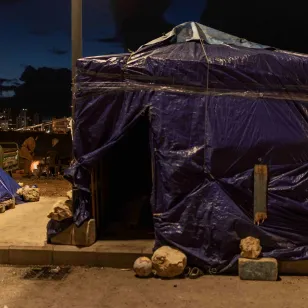
许多人只能在路边、体育场等能找到空地的临时避难所中栖身。海赛姆就是其中之一。

他来自黎巴嫩南部的克法尔凯拉(Kfarkela),自2024年以来已多次被迫逃离家园。每次他都要割舍自己的一部分生活。
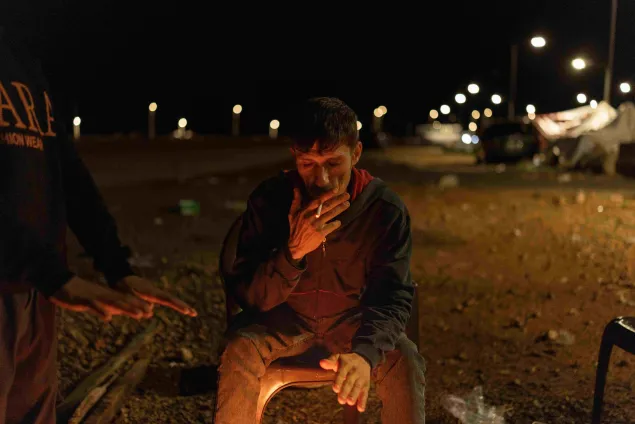
Haitham sits by a small open fire at night
Toufic Rmeiti
Toufic Rmeiti

“那是一个周日的凌晨一点半,我们被爆炸声惊醒。我们抓起东西就逃。我抱起孩子们,只来得及带上几件随身物品。”

自那夜之后,海赛姆只回过一次家乡。

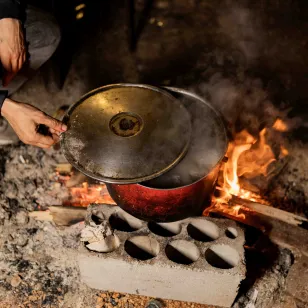
“我们发现家园已不复存在。我们所熟知的每一栋房子都没了。现在我们无处可住。房子一座不剩。没有水也没有电,”在贝鲁特一个寒冷的夜晚,他一边在火堆旁搓手取暖,一边说道。

“这火根本没法保暖。上次下雨时,我们全被淋湿了,”他说道。
Haitham sits on a mattress inside a makeshift shelter framed by blue tarpaulin, with simple bedding and wooden pallets forming the structure in Lebanon.
Hands lift the lid from a pot cooking over an open fire, with makeshift supports and burning wood in a displacement setting in Lebanon.
A makeshift shelter covered in plastic sheeting stands along a roadside at night, with nearby tents and city lights visible in the background in Lebanon.
Toufic Rmeiti

2024年迫使海赛姆逃离家园的那场冲突,如今正在重演,这种熟悉感令人不寒而栗。

“这场战争和上次没什么两样,”他说道,声音里透着沉重的疲惫。

Two people gather around a small open fire at night, warming their hands beside makeshift seating in a displacement setting in Lebanon.
Toufic Rmeiti
Toufic Rmeiti

萨阿达:居无定所的人生

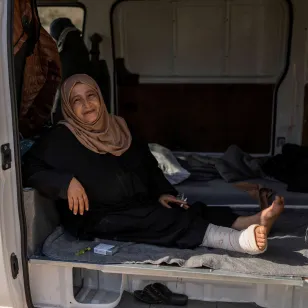
炮火突然来袭,混乱之中,萨阿达来不及多想,抓起几件能带走的物品,便匆忙离开了家。几个月前她因摔倒接受了腿部手术,至今仍在康复中,加上其他健康问题,如今处境倍加艰难。

“炮轰开始时,我们正坐在家里,”她回忆道,“我们立刻冲了出去,街上已经到处是人。”

路上挤满了逃难的家庭。人们争相寻找安全之地,车辆在拥挤的人群中动弹不得。
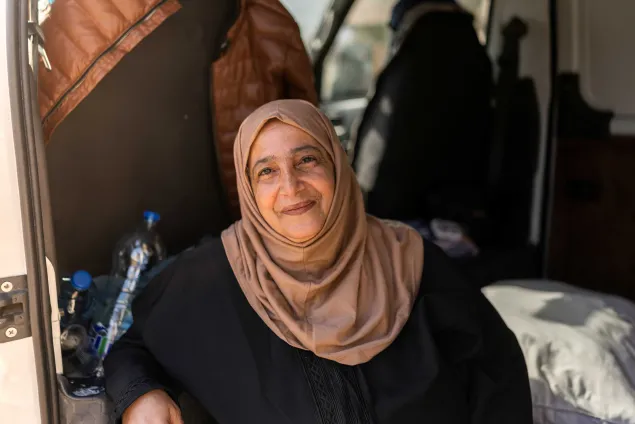
Saada sits inside a van where she lives with her extended family, with personal belongings arranged around her in a displacement setting in Lebanon.
Toufic Rmeiti
Toufic Rmeiti

如今,萨阿达无法独自行走,也无法获得康复所需的治疗,只能与家人挤在一处狭小的空间里。日子过得很慢,没有工作,没有日常活动,唯有等待。

“我们什么都做不了,”她说,“只能坐着,盼望能有什么好事发生。”

对她而言,流离失所并不陌生,而是贯穿了她的一生,也波及数代人。

“仿佛我们生来就要逃难,”她说,“我逃了,我的孩子们也逃了,现在他们的孩子也在逃难。”
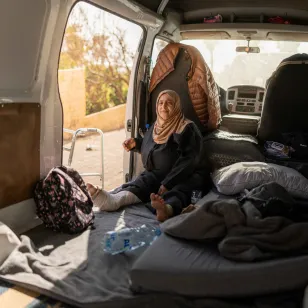
Saada sits inside a van adapted as living space, with mattresses and personal belongings arranged around her, where she lives with her extended family in Lebanon.
Saada sits at the open back of a van where she lives with her extended family, with bedding and personal belongings arranged inside
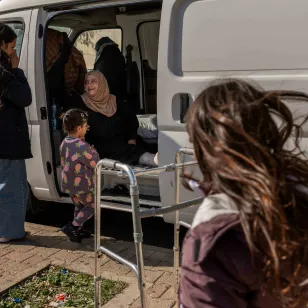
Saada sits at the back of a van where she lives with her extended family, while a child stands nearby and another person speaks with her outside.
Toufic Rmeiti

日常生活已变成一系列虽微不足道却难以克服的挑战,萨阿达的心思总是不由自主地飘回故乡。

“家是我感到安心的地方,”她说,“在家里我可以休息、吃饭、洗澡、看电视,”她回忆道。

“我希望每个人都能找到内心的平静。也希望我们都能回到自己的家——因为那里才是我们的归属。”

A young girl plays on her grandmother's walker outside a van, while others stand nearby and access belongings from inside
Toufic Rmeiti
Toufic Rmeiti

法拉:在流离失所中维持家庭生活

接到疏散令时,法拉正在睡觉。

“当时大约是凌晨五点半,”她说,“他们通知我们必须立即撤离。”

没有时间准备,也没有时间思考。她离开位于黎巴嫩南部的家时,没带换洗衣物,没带证件,没有任何身份证明。

法拉和她的家人加入了从迈尔季欧云沿路逃离的人潮。由于不知该去向何处,他们在各个城镇间辗转,最终在亲戚家落脚。
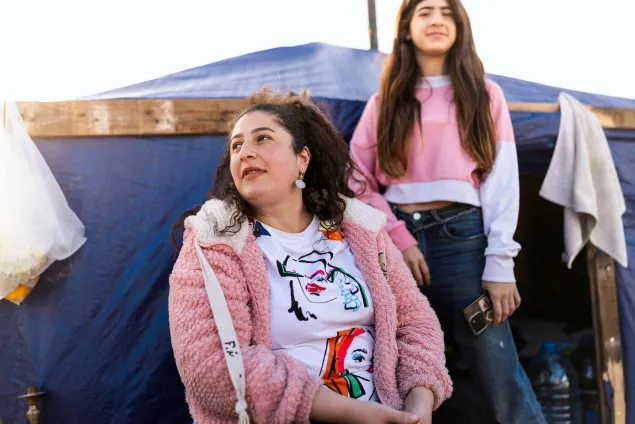
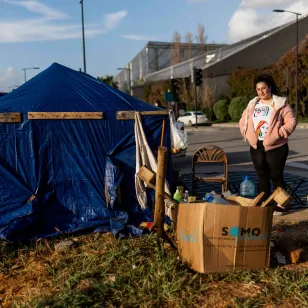
Farah sits outside a makeshift shelter, wearing a pink jacket, while her daughter stands beside her.
Toufic Rmeiti
Toufic Rmeiti

在如此艰难的生活条件下,带着两个11岁和13岁的孩子,应对日常挑战和身为母亲的种种焦虑,变得格外困难。

孩子们很难跟上学业。虽然课程已转为线上,但在嘈杂、动荡和压力的包围下学习,谈何容易。“他们这样怎么可能学好?”她问道。

她的儿子已经开始落后了。

“他才刚开始学识字,”她说,“我真的很担心他。”
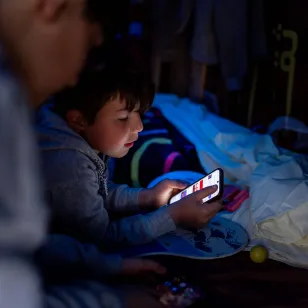
A child lies on bedding inside a tent, illuminated by the glow of a mobile phone
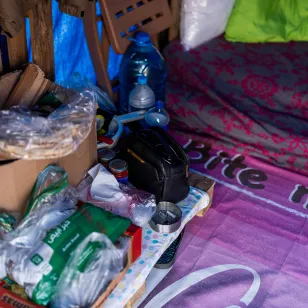
Personal belongings, including water containers, food items and bedding, are arranged inside a makeshift shelter
Farah stands beside a makeshift shelter set up along a roadside, with household items and supplies arranged outside
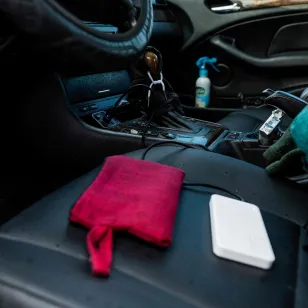
The interior of a car shows personal items, including a cloth and a phone, placed on the seat
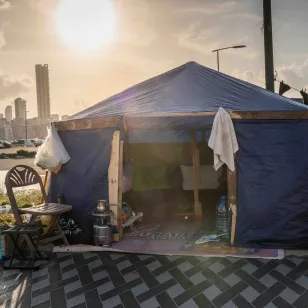
A makeshift tent stands along a roadside at sunset, with chairs, water containers and personal belongings arranged outside
Toufic Rmeiti

日常生活处处需要将就。电力匮乏,手机只能在车里充电,基本服务设施遥不可及。就连去趟洗手间,也得开车前往。

随着过度拥挤和生活的艰辛日益显现,流离失所家庭之间的关系也日益紧张。

“大家保持着距离,”她解释道,“这样更安宁。”

她最怀念的不仅仅是自己的房子,更是一家人在那里曾经拥有的生活。

“我太想家了,”她说,“我想念曾拥有的东西,想念曾经的自由。”

A young girl stands in front of a makeshift tent set up along a roadside, with city buildings visible in the background at sunset in Lebanon
Toufic Rmeiti
Toufic Rmeiti

扎赫尔:与土地相依为命的生活戛然而止

和许多人一样,来自黎巴嫩南部迈尔季欧云的农民扎赫尔在逃离时,并不知道自己何时甚至是否还能回去。
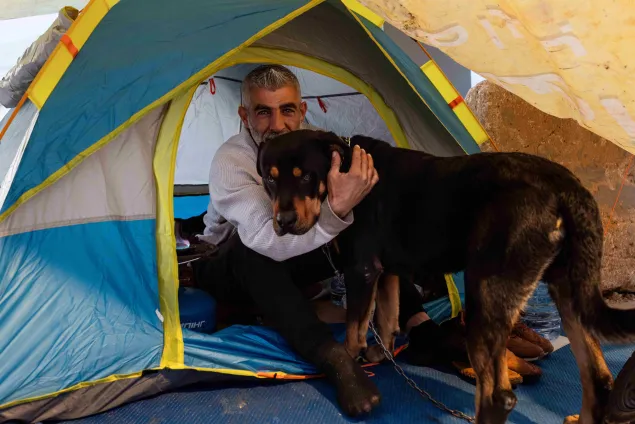
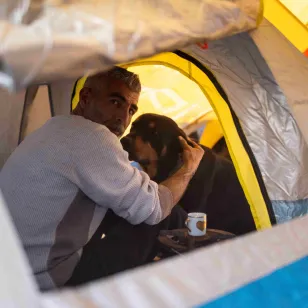
Zaher sits at the entrance of a small tent, holding his dog close, with personal belongings arranged inside the shelter in Lebanon.
Toufic Rmeiti
Toufic Rmeiti

“我需要回家拿些东西,所以可能得回去一趟。但我不知道具体什么时候,也不知道该怎么回去,”他解释道。

战事升级前,扎赫尔的生活围绕着他的农场:照料橄榄树、生产橄榄油、饲养牲畜。如今,他说,那种生活仿佛遥不可及。

逃离时,扎赫尔带上了他的几只狗:“我从事与动物相关的工作,我也热爱动物,”他说。

“我这里有三只狗:它们就是我的生命。我会不惜一切代价保护它们的安全。”

在被彻底打乱的生活中,扎赫尔在它们身上获得慰藉,它们是他忠实的伙伴。
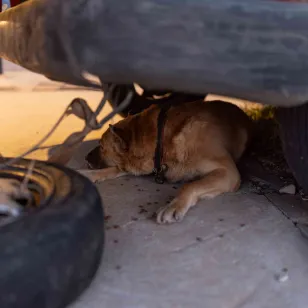
A dog lies beneath a parked vehicle, partially hidden in the shade near a loose tire and scattered tools, in a displacement setting in Lebanon.
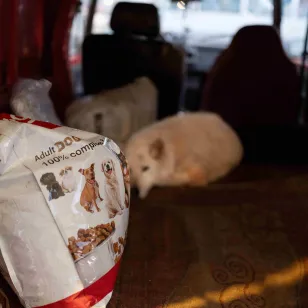
A bag of dog food sits inside a van, while a dog stands further inside the vehicle, in a displacement setting in Lebanon.
Zaher sits inside a small tent, holding his dog close, with a cup placed beside him, in a displacement setting in Lebanon.
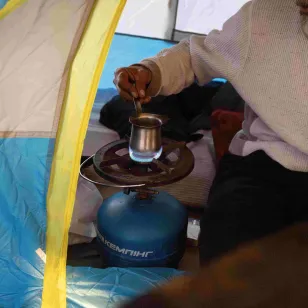
Inside a tent, Zaher prepares coffee on a small gas stove, with basic cooking items arranged on the ground in a displacement setting in Lebanon.
Toufic Rmeiti

最让他忧心的是,他害怕这种状况会变成常态。“害怕我们会一直这样下去,永远远离家园……这种恐惧挥之不去。”

对扎赫尔以及成千上万像他一样的人来说,流离失所不仅仅意味着背井离乡。它意味着与一种生活方式的割裂,意味着等待生活重新开始,却一切都没有答案。

A red van is parked beside a tent set up along a roadside, with a person and a dog nearby, under a cloudy sky in Lebanon.
Toufic Rmeiti
Toufic Rmeiti

冲突中流离失所的真实人道代价

对于那些被迫逃离的人们来说,流离失所远不止是物理上的离开。

正如扎赫尔、海赛姆、萨阿达和法拉的故事所揭示的,这意味着失去了稳定感、日常活动以及归属感。在全球各地的冲突中,这一令人心碎的现实不断重演,影响着数百万家庭。

新闻报道中的每一个数字背后,都有着像他们一样的故事——生活骤然中断,童年被无情夺走,一切在瞬间化为乌有。
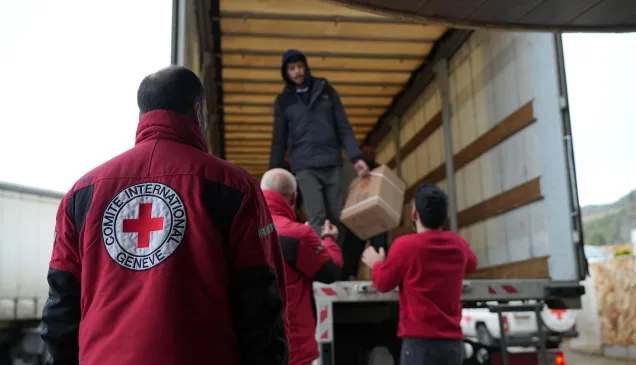
你知道吗?

儿童和学校在战争中受到保护

国际人道法保护儿童免遭暴力、强征入伍及强迫流离失所,并保障其受教育权。学校绝不应遭受攻击或被用于军事目的。红十字国际委员会致力于帮助失散家庭团聚,并支持儿童获得教育,以确保即便身处冲突之中,每一个孩子也都能在安全的环境中学习与成长。