Ebola in the Democratic Republic of the Congo: Red Cross volunteers at the heart of the response in Bunia
On 15 May 2026, authorities declared a new Ebola outbreak across several health zones in Ituri Province, in north-eastern Democratic Republic of the Congo (DRC). The outbreak is unfolding in a region already stretched thin - a health system weakened by staff shortages, supply gaps, and ongoing insecurity.
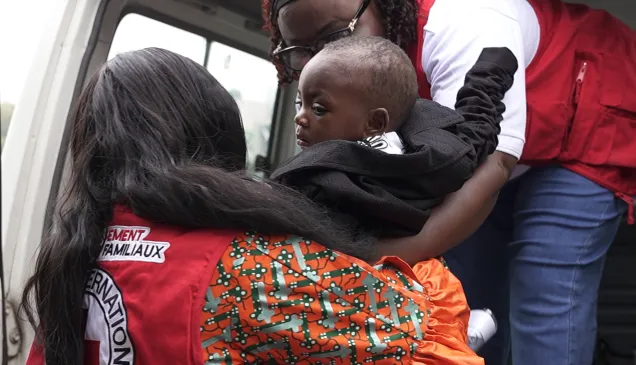
Red Cross volunteers are on the ground.

Photo: Jérémie Nzanzu Walaka
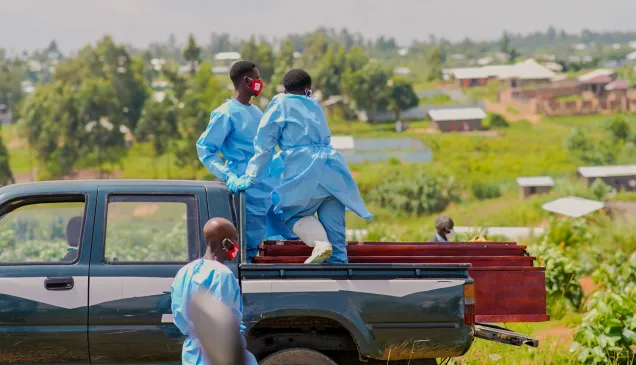
The Red Cross of the Democratic Republic of the Congo (CRRDC), supported by the ICRC and the International Federation of Red Cross and Red Crescent Societies (IFRC), is working alongside Congolese health authorities to respond. In Bunia - one of seven health zones currently affected - teams of volunteers are carrying out safe and dignified burials and running community awareness sessions.
Protecting the living and honouring the dead
When someone dies of suspected Ebola, how their body is handled matters enormously - both to protect those left behind and to contain the spread of the virus.
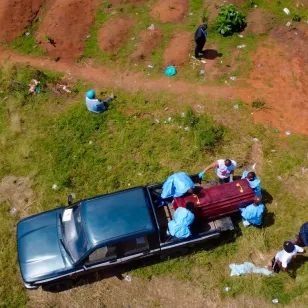
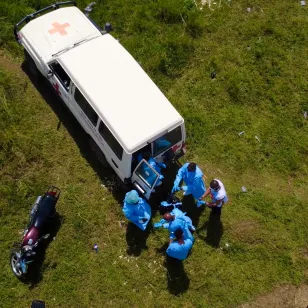
Raphael Olangi leads the CRRDC's Dignified and Safe Burial team. His team works with precision and care. "The first thing we do is take a sample from the deceased person in the form of an oral swab. Then we stabilize the body and place it first in a body bag, then in a coffin. The team then transports the coffin to the place of burial," he explains.
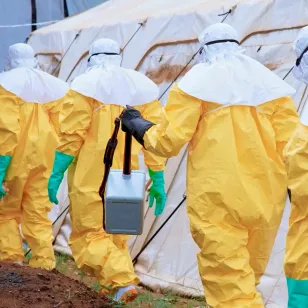
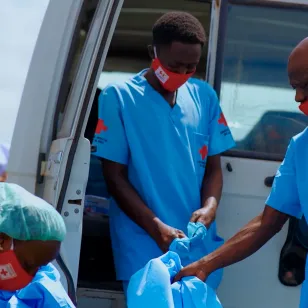
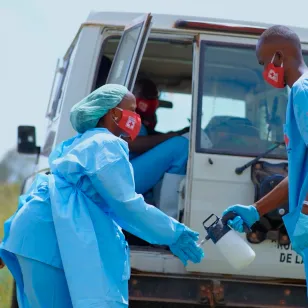
Wearing full personal protective equipment and using disinfection materials, volunteers follow each step with two goals in mind: safeguarding the dignity of the deceased, and reducing the risk of transmission to their family and community.
Reaching communities
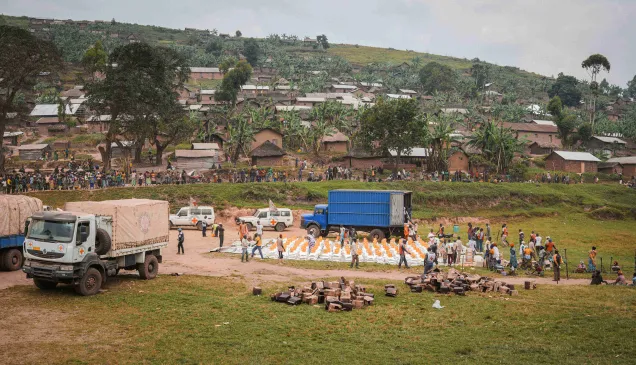
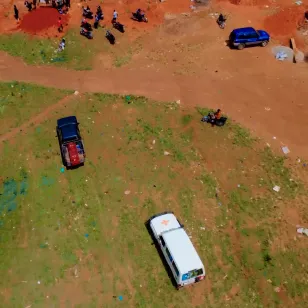
At a displacement site in Kigonze, near Bunia, another CRRDC team is focused on something equally critical: trust. In a region marked by armed conflict, population displacement and deep-rooted community ties, getting people to engage with the response - rather than fear or reject it - is one of the hardest parts of containing an outbreak.
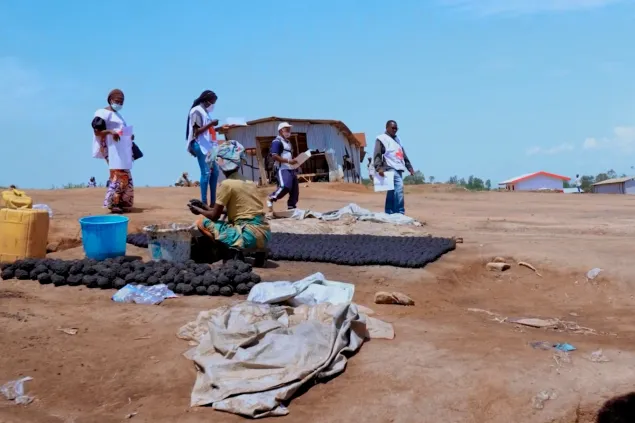
Photo: Jérémie Nzanzu Walaka
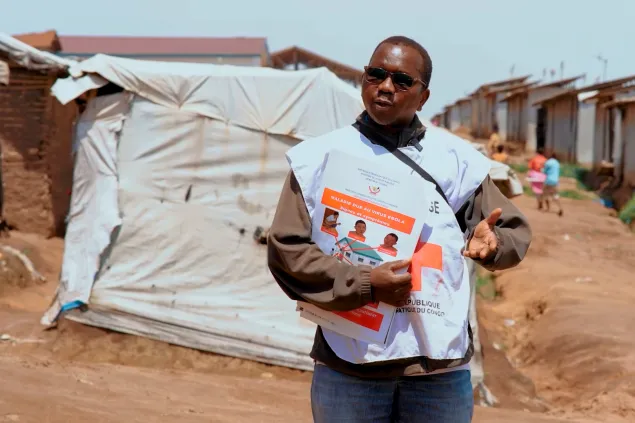
Photo: Jérémie Nzanzu Walaka
CRRDC volunteer Delphin Chanamula works directly with these communities. "Community communication remains the most effective weapon to stop the spread of this 17th epidemic," he says. "The community understands that the Red Cross is there, with volunteers trained to bury bodies correctly."
His sessions cover how Ebola spreads, what preventive measures people can take, and why reporting suspected cases quickly is so important. He is candid about the challenges. "There is good acceptance in the community, although there is some resistance from a few people because of certain beliefs. Perhaps also because of affection for the deceased person."
Countering fear alongside the disease
During any Ebola epidemic, fear and disinformation can spread as fast as the virus itself - undermining response efforts and driving people away from the care they need. To counter this, CRRDC volunteers are intensifying contact with local communities, with ICRC and IFRC support. Alongside awareness sessions and burials, teams are providing infection prevention and control, as well as psychosocial support.
In a context as complex as Ituri - where insecurity, displacement and limited health infrastructure compound every challenge - community presence and community trust are not secondary concerns. They are the response.

How to protect yourself and your community
Ebola spreads through direct contact with the blood or body fluids of a person who is sick with or has died from the disease. Understanding how it spreads - and what you can do - can save lives.
Wash your hands frequently. Use soap and water, or an alcohol-based hand rub, especially after any contact with a sick person or their belongings.
Avoid physical contact with anyone showing symptoms. Early signs of Ebola include sudden fever, fatigue, muscle pain, headache and sore throat, followed by vomiting, diarrhoea and, in some cases, bleeding. Do not touch someone who is sick without protection.
Report suspected cases immediately. If you or someone you know develops symptoms - particularly fever that does not respond to usual treatment - notify your local health worker without delay. Early reporting saves lives and helps stop the spread.
Do not touch the body of someone who has died without the help of trained burial teams. Burial ceremonies involving direct contact with the body of the deceased are a significant driver of transmission, and mourners are at heightened risk. Contact your local Red Cross or health authorities to arrange a safe and dignified burial.
Avoid contact with wild animals such as fruit bats, apes, monkeys and antelopes in areas where Ebola may be present. People can contract the virus through direct contact with infected animals.
If you are concerned or need information, contact your local health authority.
Find more information in the IFRC Epidemic Control Toolkit
Footage from Ituri available on the ICRC Newsroom.