Ethiopia: January to December 2025 Facts & Figures

In Ethiopia, Africa and the world, 2025 has been anything but predictable, and 2026’s story is yet to be told. Across the globe, conflicts are intensifying and humanitarian needs multiply.
Africa faces an escalation of conflict and displacement, with more than 50 active armed conflicts. For humanitarian organizations, the pressure is mounting. At the same time, less resources are available. We are faced with a crisis of funding in times of growing needs.
Here in Ethiopia, the International Committee of the Red Cross (ICRC) feels those challenges every day—just as do the millions of people who rely on our support. Fortunately, we are not alone to face the challenges. We work in close partnership with the Ethiopian Red Cross Society (ERCS) and other partners from the International Red Cross and Red Crescent Movement.
Together with them, we carry forward the mission to ease human suffering, no matter the obstacles. We also work closely with numerous national and regional authorities and structures to ensure essential services reach the people, no matter where they are.
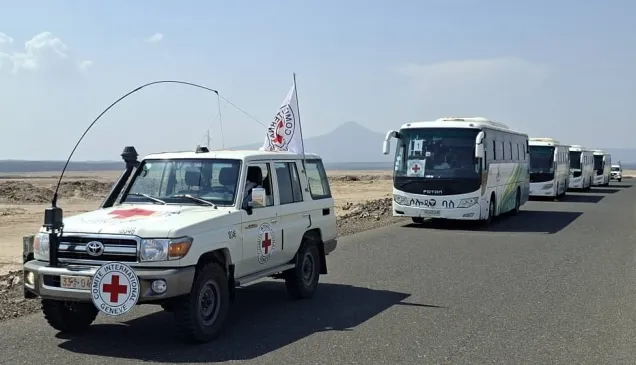
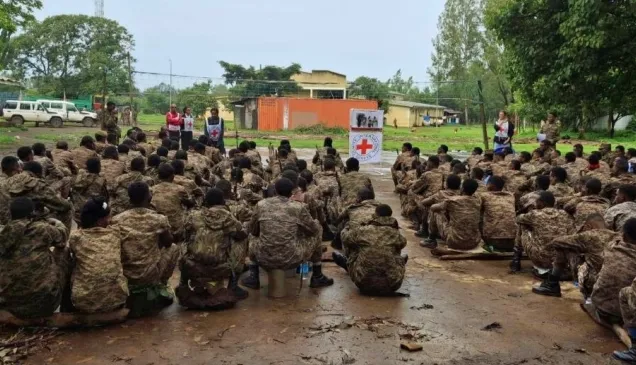
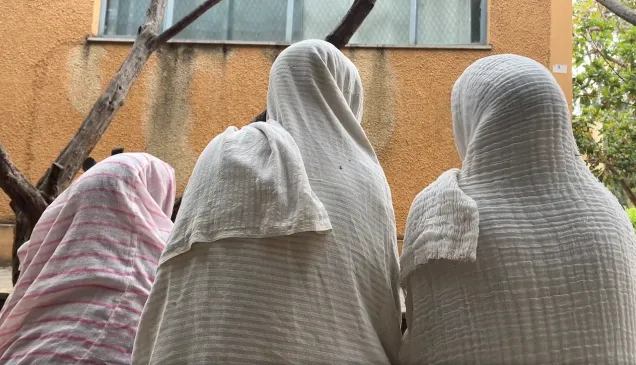
In the country, our operations focus on Amhara, Oromia, and Tigray, and inside these regions on specific areas, where people are most affected by conflict. With the ERCS and other partners, we support health services, provide clean water to communities, help vulnerable families meet basic needs, reconnect loved ones separated by violence. We also improve living conditions in places of detention and invest in prevention, raising awareness about the protection of civilians under international humanitarian law.