Overcoming barriers: Helping Hebron residents in the West Bank thrive despite movement restrictions

In the West Bank, residents of Hebron’s Old City live with the daily, tangible effects of more than 20 years of movement restrictions. An ICRC livelihood programme seeks to bring positive change.
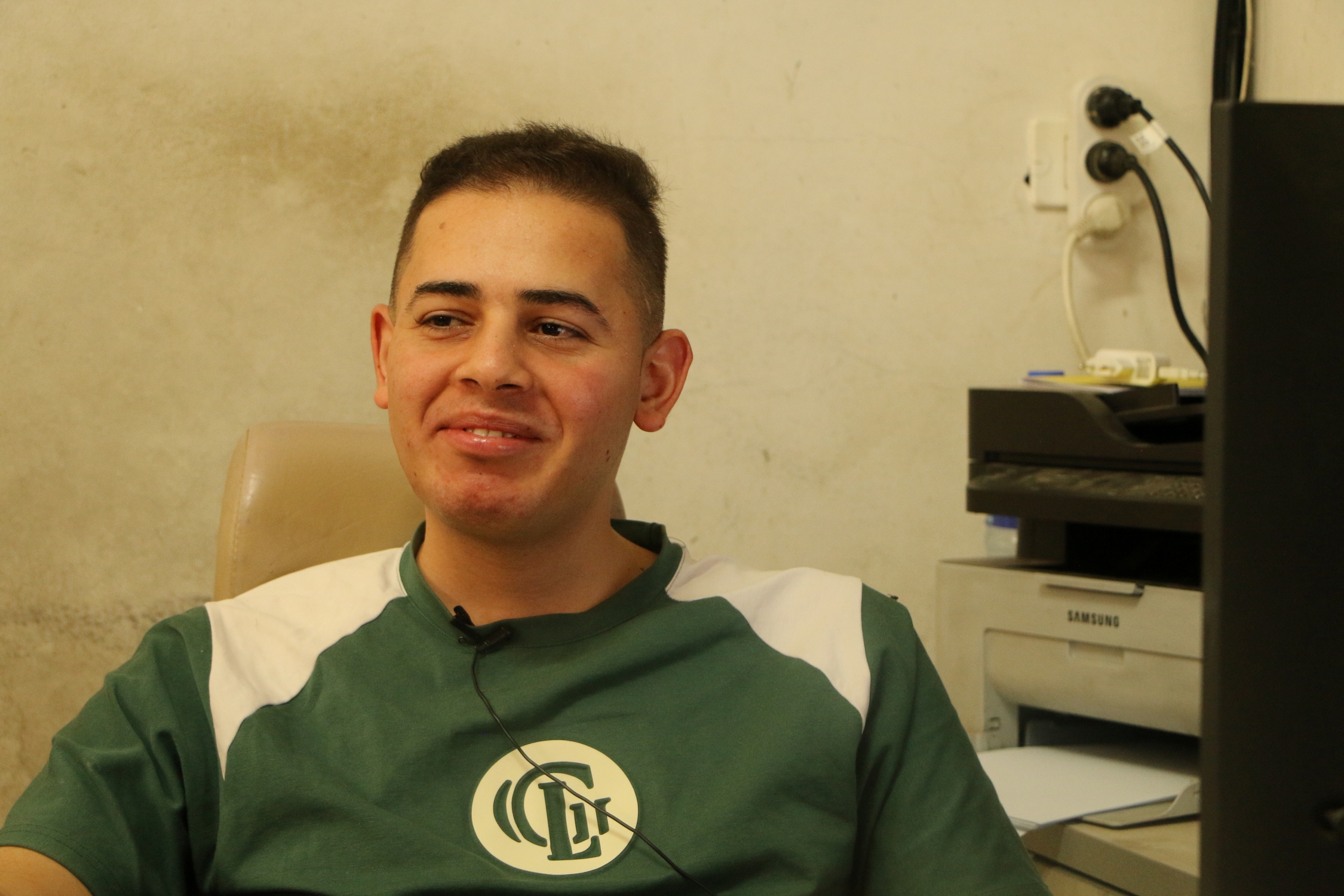
Hamdi Deis works diligently on his computer from his home in the quiet streets of Tel Rumeida within Hebron’s “H2” restricted area.
A recent graduate of the International Committee of the Red Cross’ (ICRC) vocational training programme, he completed a course in graphic design, specializing in branding.
Hamdi lives with a disability that limits his mobility and had to leave school because it was not accessible for him. Before finding the ICRC programme, he had taught himself the basics of design.
Now, he takes pride in creating brand designs for a company in Hebron.
“I am thinking of starting my own project to work online as a freelancer and provide services to different companies,” he says.
But living in Hebron’s H2 area brings a distinct challenge: freedom of movement is severely restricted. H2 residents need to cross multiple checkpoints to go to work or return home. These checkpoints separate them from the rest of the city, and significantly affect access to health care, basic services and livelihoods.
The ICRC programme that Hamdi benefited from in aims to help participants find employment through a ten-month intensive diploma in an area that aligns with their interests and goals. Participants are matched up with businesses for a six-month internship, receiving a stipend and with tuition covered by the ICRC.
In this way, the programme seeks to help residents who may be particularly vulnerable to the effects of the movement restrictions in the H2 area.
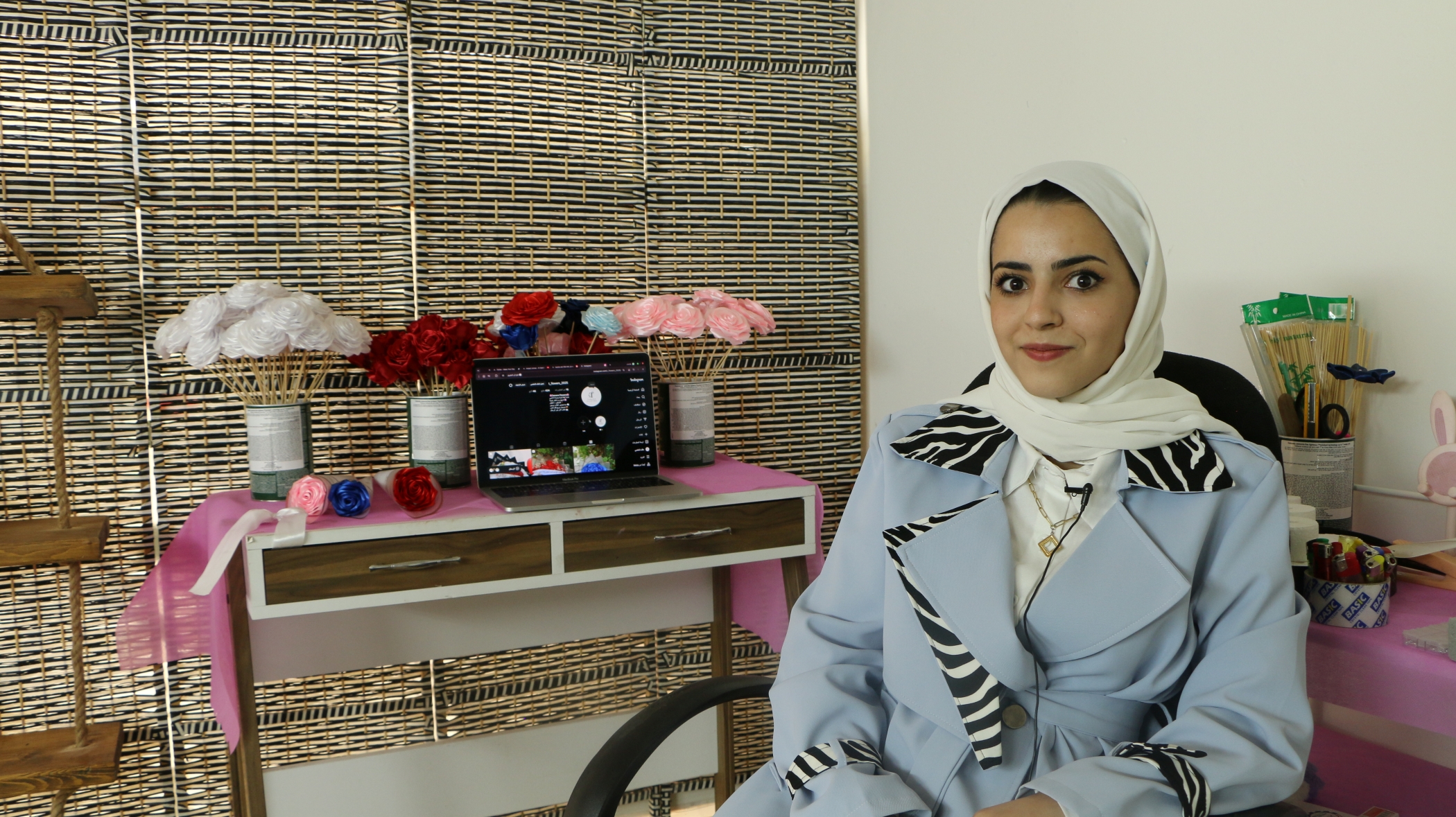
Tamara Tamimi is another participant in the programme, and has already started her own business creating handmade flower bouquets from folded fabrics and ribbons.
As part of the programme, she gained digital marketing skills that allowed her to reach a wider audience beyond the restricted area. Now, she’s able to support her family financially despite those restrictions.
ICRC support goes beyond vocational training. We also provide grants to help people grow existing businesses or launch new ones.
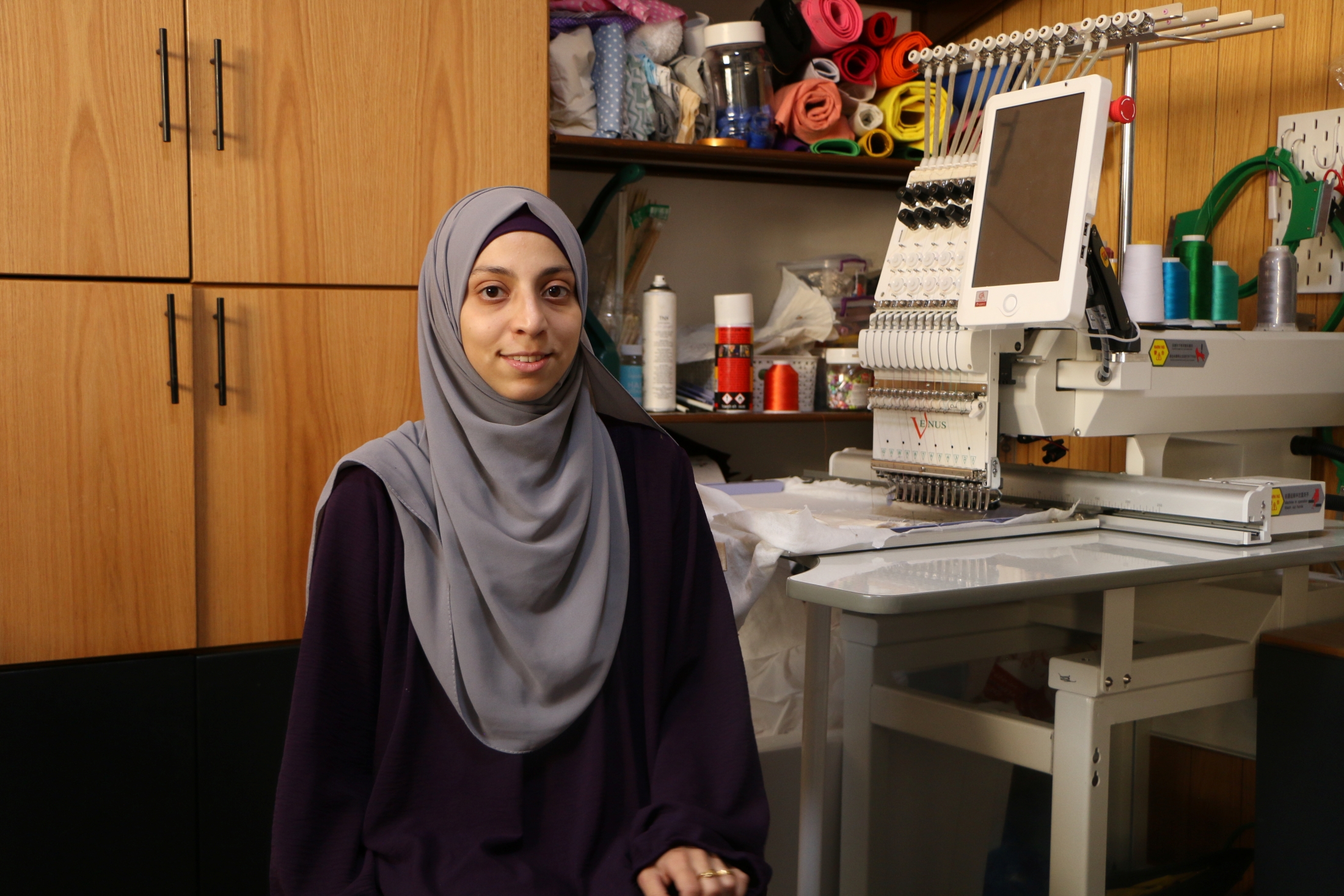
Haneen Nahawi, a resident of Hebron’s H2 area, is one such recipient. She started an embroidery business from her home. With the grant, she purchased a computer that enabled her to take her work to the next level.
Haneen now uses embroidery to create interactive educational tools under her own brand: ‘Wasileh’. What began as a small idea is growing, and Haneen hopes to expand her business beyond Hebron.
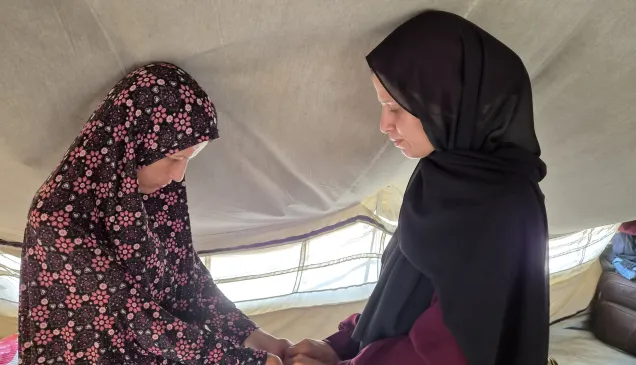
When announcing the programme, the ICRC meets with communities to explain the requirements for enrolment and how to register online. These meetings also explain what to expect from the programme.
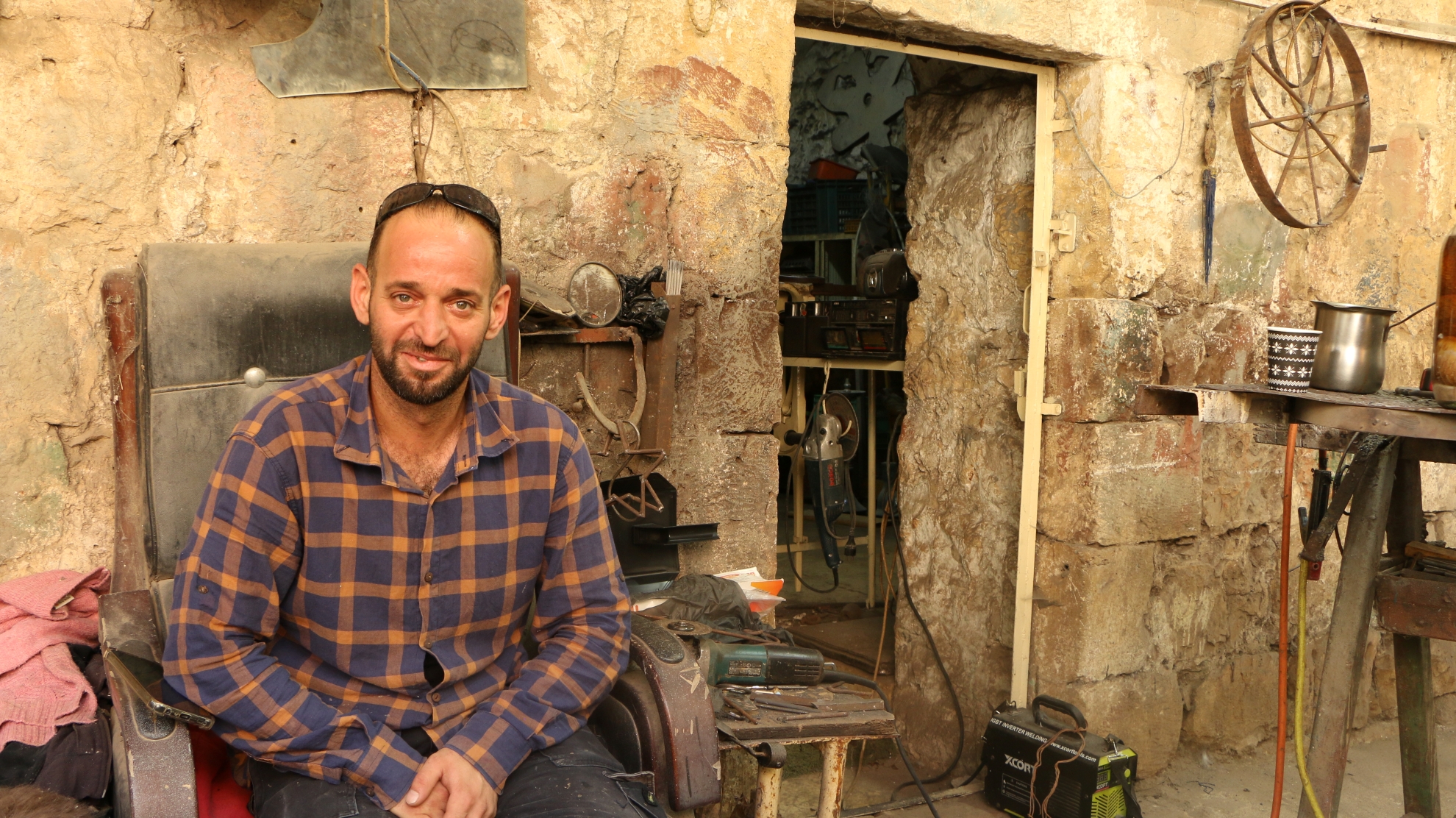
Jabrin Al-Jaabari used his grant to open a blacksmith shop near his home. Jabarin, who takes a creative approach to his craft, used the grant funding to enhance his work.
“I spend time looking at different metal works online and use what I see to experiment with new designs,” he says. From his workshop in the H2 area, he creates decorations for Muslim and Christian holidays alongside traditional blacksmith work.