Mali: Focus on health and access to water in 2016

In 2016, the ICRC continued its work to improve detainees' living conditions, protect civilians from the worst ravages of conflict, and help family members separated by conflict keep in touch and, wherever possible, reunite them.
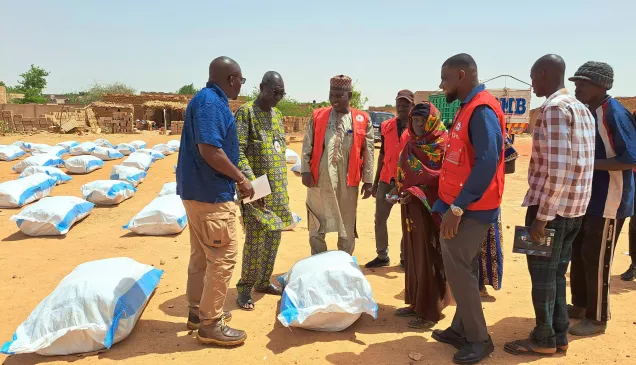
We provided food, shelter and essential household items to internally displaced people, helped bring drinking water and health care to communities, and brought scattered family members back together. We also visited thousands of detainees in prisons across the country.
Highlights of our work in Mali:
 |
93,400 people were provided with food and other essentials. |
 |
9,300 families and 24 farmers' organizations were helped to improve crop yields. |
 |
21,400 consultations were conducted by our medical teams in Gao and Kidal, and 42,000 patients were seen at the health-care facilities we support. |
 |
95,600 people enjoyed better access to drinking water and sanitation. |
 |
3,600 detainees were visited, and 64 who were sick or malnourished had their treatment and nutritional support costs covered. |