International humanitarian law and policy on

Autonomous weapons

Autonomous weapons are not a work of science fiction from a distant dystopian future. They are an immediate cause of humanitarian concern and demand an urgent, international political response.

ICRC - UN Autonomous weapos

An ethical humanitarian challenge

Increasingly, weapons that select and engage targets without human intervention are being developed and deployed – in the air, on land and at sea. Yet the unconstrained development and use of autonomous weapon systems pose serious legal, ethical and humanitarian challenges.

The ICRC has recommended that states adopt new, international legally binding rules to prohibit unpredictable autonomous weapons and those designed or used to apply force against persons, and to place strict restrictions on all others. That will help reduce the risk faced by people affected by war and uphold crucial protections under international humanitarian law.
Frequently asked questions

Autonomous weapon systems

What are autonomous weapon systems (AWS), or so-called "killer robots", and do they already exist? What are the humanitarian, ethical and legal concerns around them and what can be done now to curtail the risks raised by autonomous weapons? Find out in this FAQ.

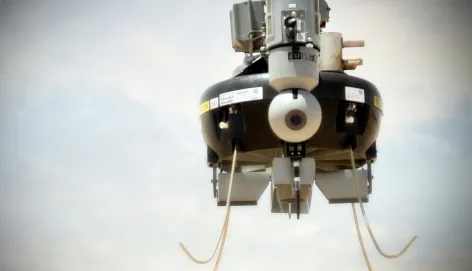
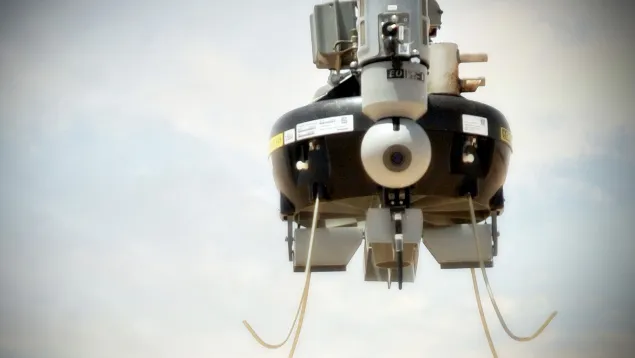
Close-up, low-angle view of a black-and-white mechanical device with a circular central component, metal supports and visible cables, against a pale sky.

From the Humanitarian Law and Policy blog

Autonomous Weapons

This theme examines the legal, ethical, and technological dimensions of autonomous weapon systems, focusing on the need for meaningful human control, compliance with international humanitarian law, and the importance of regulation to address emerging challenges.

Autonomous Weapons law and policy blog