One month of hostilities has upended the lives of millions and sent shockwaves far beyond the region at a scale and speed that threatens to overwhelm the humanitarian response.
In just four weeks, thousands have lost their lives, including first responders and humanitarian workers. Hundreds of thousands have been uprooted. Essential infrastructure critical for the supply of energy, water and health care has been damaged or destroyed. The use of heavy explosive weapons with wide area impact in urban settings has caused suffering and fear.
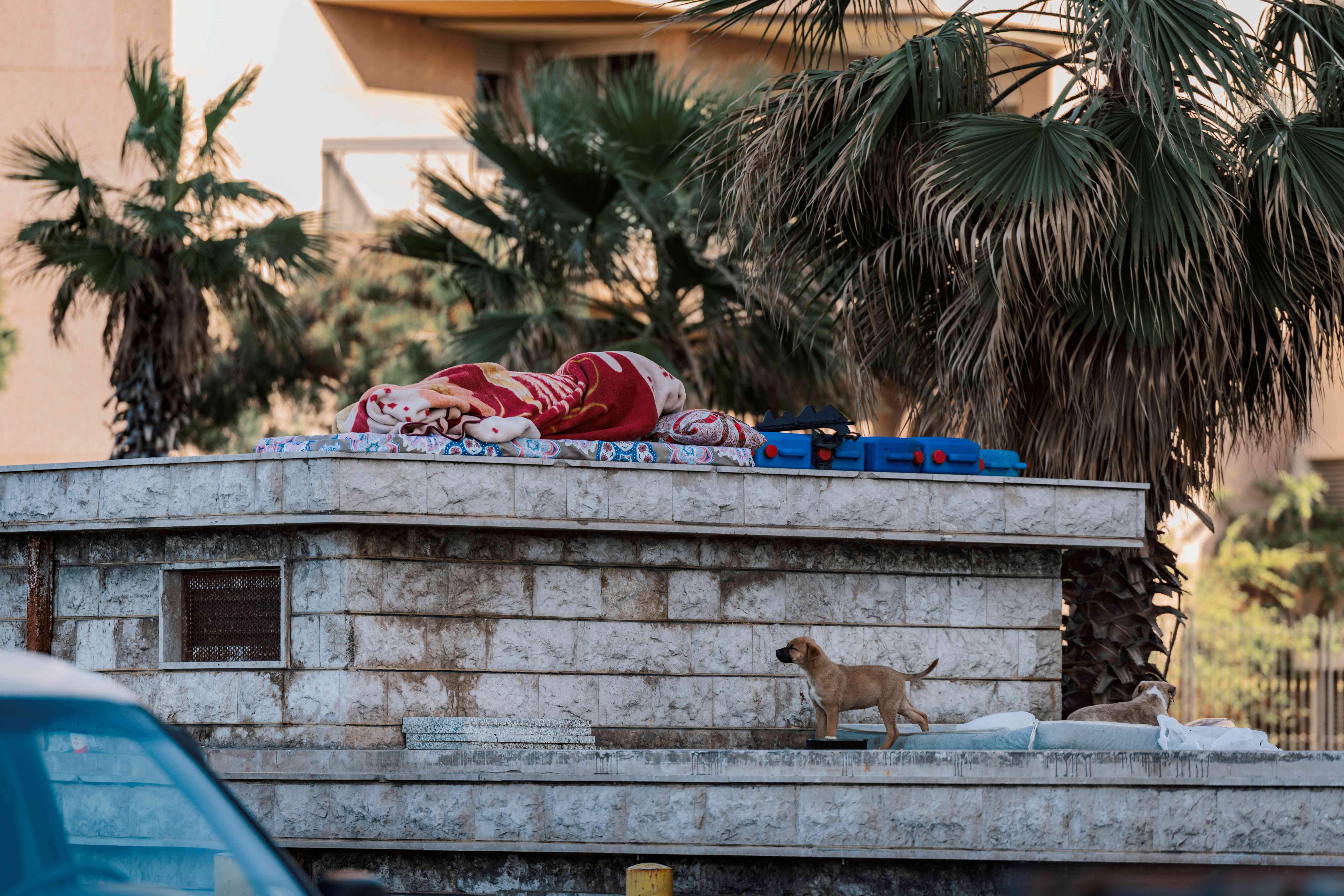
Photo: Toufic Rmeiti
The way hostilities have been waged has exacerbated the detrimental impact. Without respect for the rules of war, civilians will continue to suffer profound consequences that could outlast the current conflict.
The International Committee of the Red Cross (ICRC) is working closely with its partners from the International Red Cross and Red Crescent Movement, who have mobilized thousands of staff and volunteers to help those affected by the hostilities.
At a time of escalating needs and tightening humanitarian budgets, the ICRC and other organizations are being forced to adapt to disrupted supply chains that are undermining their operations. Meanwhile, several countries already burdened by humanitarian crises must now also contend with rising fuel prices and increasing operational costs.
Respect for the rules of war reduces the consequences for civilians especially during military operations. All parties, regardless of the side they are on, are bound by international humanitarian law (IHL), and all states have an obligation to respect and ensure respect for IHL, even if their adversary does not.
Note to editors:
For more information on the principles and rules of international humanitarian law that parties are bound to respect, visit Frequently Asked Questions: IHL and the escalating conflict in the Middle East