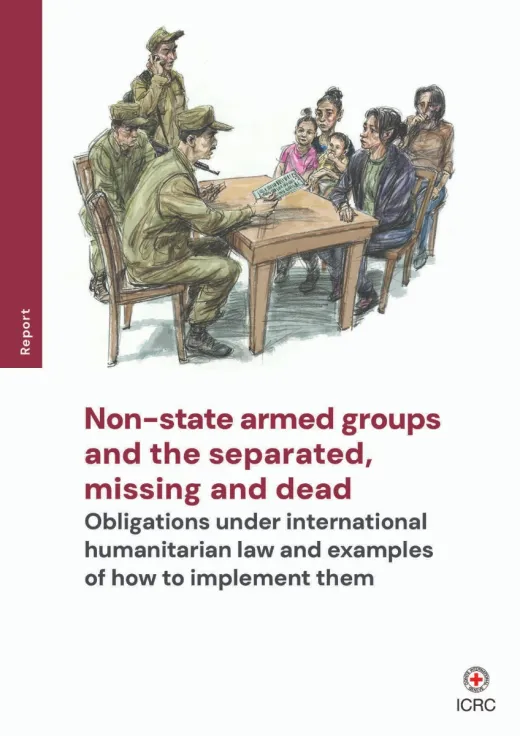
Non-state armed groups and the separated, missing and dead: Obligations under international humanitarian law and examples of how to implement them
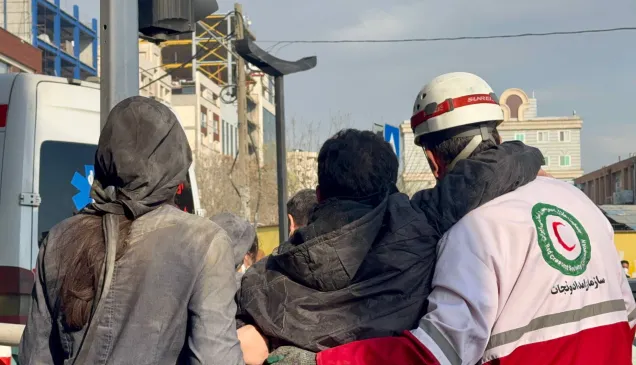
As a result of the unprecedently high number of armed conflicts around the world, hundreds of thousands of families are separated. In many cases, communication lines are cut, leading to a complete breakdown in family contact. The dead are not always treated with respect and at times become “bargaining chips” between warring parties, impeding identification efforts and their return to their relatives. As a result, the number of missing people continues to grow, and families suffer great anguish not knowing where their loved ones are and whether they are alive or dead. Clarifying the fate and whereabouts of missing people is a humanitarian imperative and a legal obligation. This report focuses on the international humanitarian law (IHL) obligations of non-state armed groups with respect to the separated, missing and dead, presenting a selection of practices showing how armed groups have implemented these obligations in reality.