Burundi

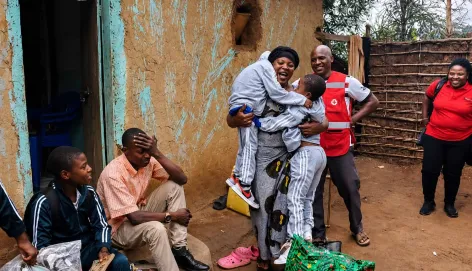
The ICRC has been active in Burundi since 1993, helping to train armed forces and security forces in international humanitarian law and international human rights law. We also provide support to the Burundi Red Cross to put family members who have been separated by armed conflict back in touch.

Burundi country page

Our work in Burundi

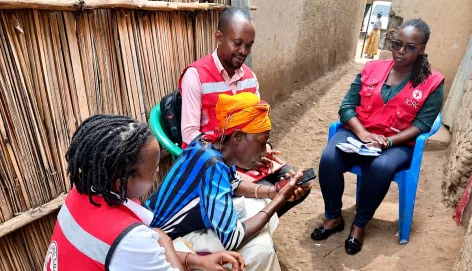
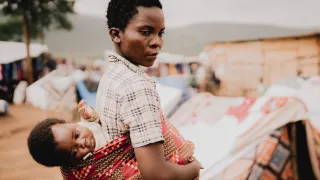
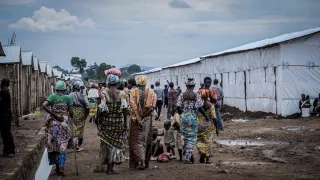
In Burundi, we work with national armed forces that are deployed on peacekeeping missions, as well as security forces, universities and other key parties to promote respect for international humanitarian law and fundamental humanitarian principles. We also collaborate with the Burundi Red Cross to put refugees back in touch with family members that they have lost contact with because of armed conflict in the region.

Our activities in Burundi are supported by the ICRC’s regional delegation in Kampala, which covers operations in Uganda, Rwanda and Burundi, as well as the regional delegations in Nairobi and Dakar.

Bujumbura

Our Impact in Burundi - January to December 2025

1,315

Red Cross messages exchanged between separated family members in Burundi and abroad.

119

Missing persons were located, and their fate clarified.

8

Ambulances were donated to the RRC as part of a joint donation with the International Federation of Red Cross and Red Crescent Societies (IFRC).

100

Volunteers and RCB staff members were trained in water, hygiene, and sanitation (WASH) in emergency situations.

10,382

Refugees and asylum seekers made phone calls to maintain contact with their families.

200

First aid kits, office supplies for four PFL branches, and personal protective equipment for 150 volunteers were provided to the CRB.

Contact us

Address

Comité international de la Croix-Rouge (CICR)
80, avenue du Large
B.P. 3257
Bujumbura - Burundi

Opening Hours:

8am–5pm Monday–Friday

Media contact

Dieudonné Hakizimana

Telephone

+257 79 916 220

Our work with the Burundi Red Cross

We work closely with the Burundi Red Cross to help staff and volunteers quickly and effectively meet the needs of vulnerable people and ensure that they have safe access to affected communities in crises.