Libya

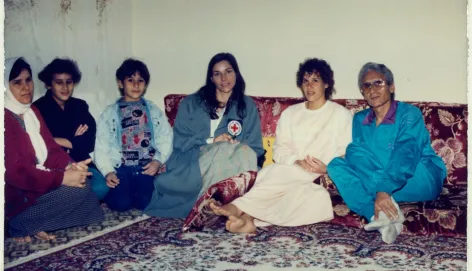
The ICRC has been present in Libya since 2011, assisting victims of armed conflict and promoting international humanitarian law (IHL).

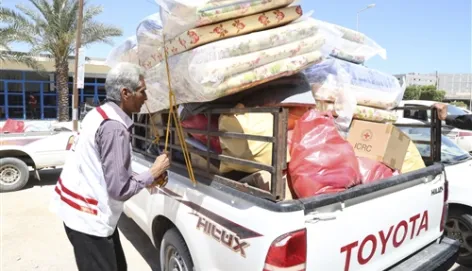
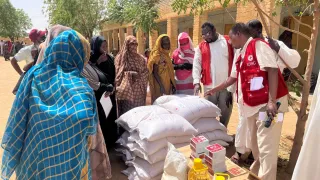
In Benina, the ICRC organizes a relief distribution where 3,800 people are provided with essential items.

Our work in Libya

While the humanitarian situation in Libya has seen some improvement in recent years, instability, economic hardship, and the legacy of prolonged conflict continue to affect communities across the country. Unresolved cases of missing persons, the impact of detention, and exposure to the consequences of violence remain key humanitarian concerns.

The ICRC’s work in Libya is firmly grounded in its protection mandate. The organization focuses on clarifying the fate and whereabouts of missing persons, visiting places of detention to protect the life and dignity of detainees, and promoting respect for international humanitarian law (IHL). Through sustained dialogue and engagement with weapons bearers, authorities, academic institutions, and other segments of society, the ICRC works to strengthen respect for the rules governing armed conflict and the protection of civilians.

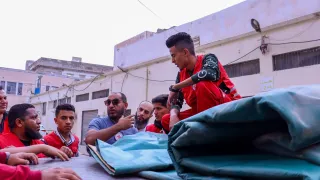
At the same time, the ICRC prioritizes preparedness and the capacity to scale up its response in the event of renewed hostilities or sudden emergencies. Working closely with the Libyan Red Crescent Society and relevant authorities, the ICRC supports emergency readiness, coordination, and first aid capacity, enabling a rapid and principled humanitarian response when needs arise.
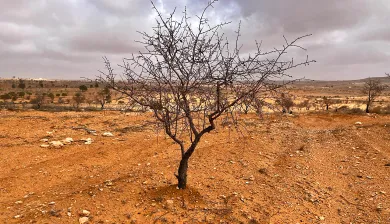
Tripoli-Ghadames road. Camels grazing in the desert.

The impact of our work - In 2025

3,172

persons reported as missing by their families continue to be sought by the ICRC in Libya.

11

Primary Health Care facilities were supported through the provision of drugs and medical materials, carrying out around 1,019,089 consultations.

1.5

million people nationwide were estimated to have benefited from improved access to safe water, sanitation, and healthcare services, addressing immediate needs while strengthening institutional resilience.

834

vulnerable individuals have been supported by the ICRC’s Microeconomic Initiative (MEI) program, to improve their economic security, through the delivery of productive grants.

20,110

individuals benefited from risk awareness sessions on the effects of weapon contamination, conducted by the LRCS, with the ICRC’s support. 

Contact us

Community Contact Centre

Opening Hours:

8:30AM – 5:30PM
Sunday - Thursday

Address

Ibrahim Al Houni St, Nofleen – Tripoli, Libya

Our work with the Libyan Red Crescent

The ICRC collaborates closely with the Libyan Red Crescent Society (LRCS) and other movement partners operating in Libya to deliver needed assistance and protection responses to communities affected by the consequences of the conflict and the flood that caused severe devastation in the eastern part of Libya and stands ready to mobilize its staff and resources to respond to unforeseen emergencies.