China: Addressing complex humanitarian and security challenges in Africa needs all-inclusive approach

On 8 April 2026, the International Committee of the Red Cross (ICRC) Regional Delegation for East Asia hosted a roundtable in Beijing on humanitarian and security challenges in Africa.
The event was part of the ICRC’s efforts to leverage China’s growing interest in addressing humanitarian challenges in Africa and Beijing as one of the consequential diplomatic hubs globally. The discussion took place in the context of the Forum on China-Africa Cooperation Beijing Action Plan (2025–2027), which emphasizes China–Africa security cooperation, including military training, cybersecurity, and joint security initiatives.
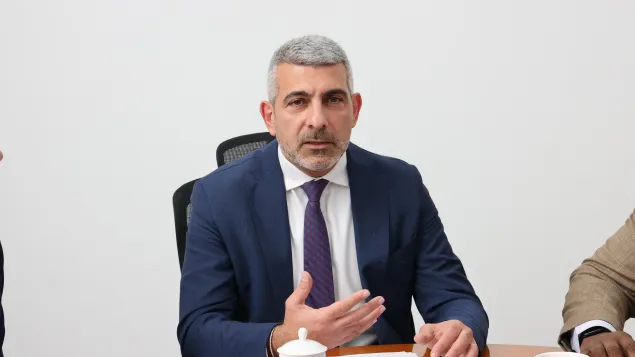
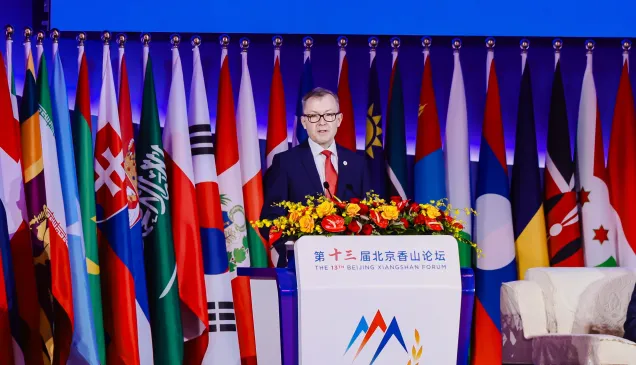
Patrick Youssef, ICRC Regional Director for Africa, highlighted current conflict trends in Africa.
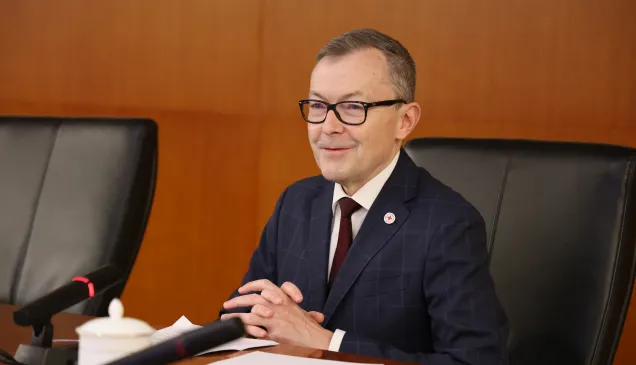
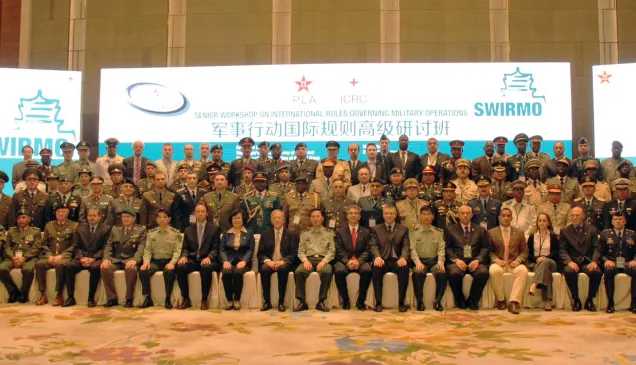
The event was organized during the visit of Patrick Youssef, ICRC Regional Director for Africa. Chaired by Boris Kelecevic, Deputy Head of the Regional Delegation, it brought together African defence attachés, Chinese experts, and ICRC representatives to discuss key security and humanitarian issues across the continent and explore ways to strengthen cooperation.
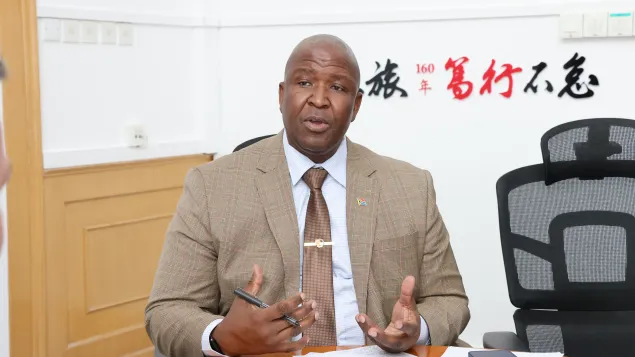
Brig Gen William Mphikeline Bucibe, Defence Attaché, Republic of South Africa
Participants explored how humanitarian and security actors can better align their efforts to support peace, stability, and to preserve humanity during war.
Youssef highlighted current conflict trends in Africa, including the fragmentation of armed groups, war in cities, climate-related pressures, and dwindling humanitarian funding. He outlined the ICRC’s work in emergency response, working with local communities, promoting respect for international humanitarian law, and supporting the men, women, children and families affected by wars.
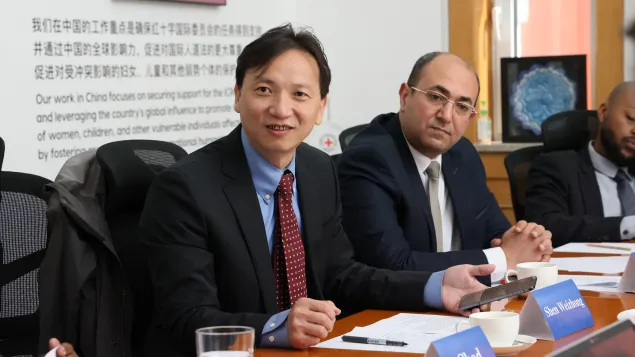
Shen Weizhong, Vice President of the Global Governance Institution.
Shen Weizhong, Vice President of the Global Governance Institution (GGI), stressed that China–Africa security cooperation is increasingly important amid global instability. He highlighted on the China and African countries committed principle “African solutions to African problems”, emphasizing national ownership, capacity-building, and linking development with security. He cited peacekeeping, joint training, and maritime security operations as concrete examples, with future cooperation extending into cybersecurity and artificial intelligence.
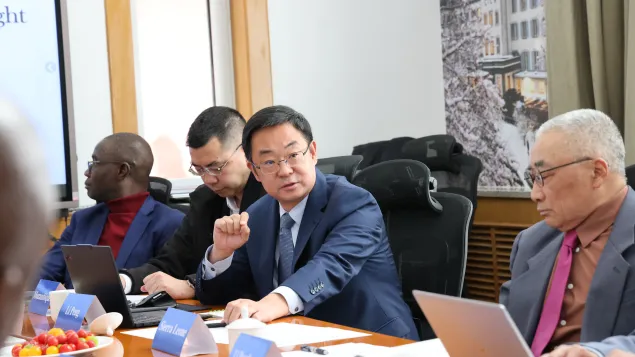
Li Peng, retired Senior Colonel from the Arms Control Research Center of the National Strategy Development Institute of Tongji University.
Li Peng, a retired Senior Colonel from the Arms Control Research Center of the National Strategy Development Institute of Tongji University presented advances in small arms and light weapons arms control technology, underscoring how innovation can help reduce the human cost of conflict.
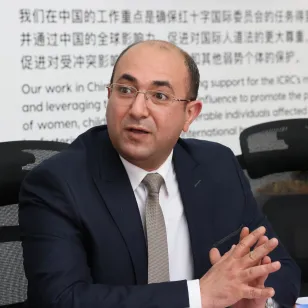
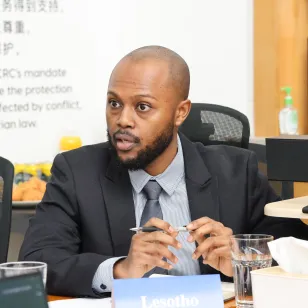
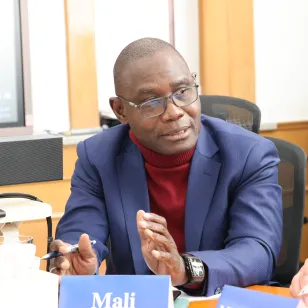
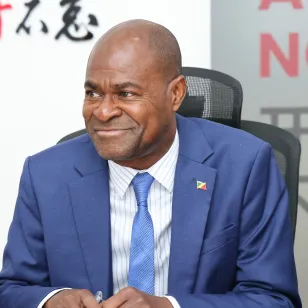
Defence attachés and diplomats from Angola, Egypt, Lesotho, Mali, the Republic of Congo, and South Africa shared perspectives on tackling arms proliferation, emphasizing the need to address the role of arms suppliers, alongside strengthening partnerships and ensuring security initiatives benefit affected communities.

The discussion also highlighted the ICRC’s role as a neutral intermediary and its efforts to promote dialogue among different actors.
In his closing remarks, Youssef emphasized that the ICRC’s role through its neutral intermediary role and humanitarian activities is to create favourable environment for the longer term political settlements by the parties, without having any direct role in conflict mediation or resolution. Underscoring the importance of building broader partnerships, he hoped for continued collaboration to help shape a more stable and humane future for communities affected by conflict in Africa.