The humanitarian cost of non-compliance with IHL in Colombia

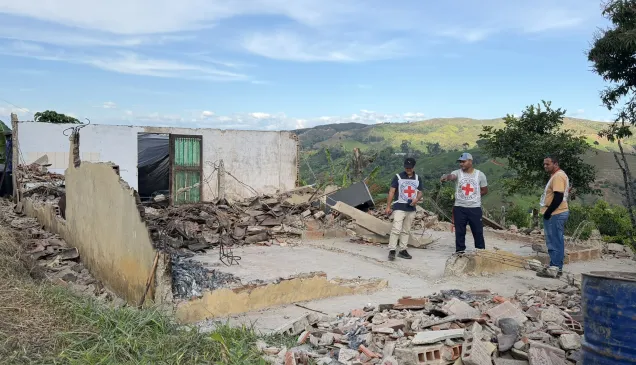
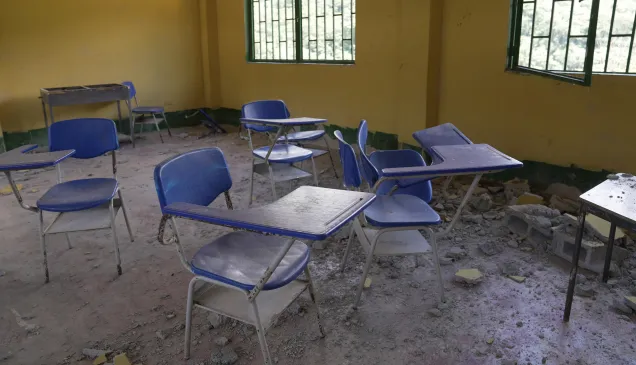
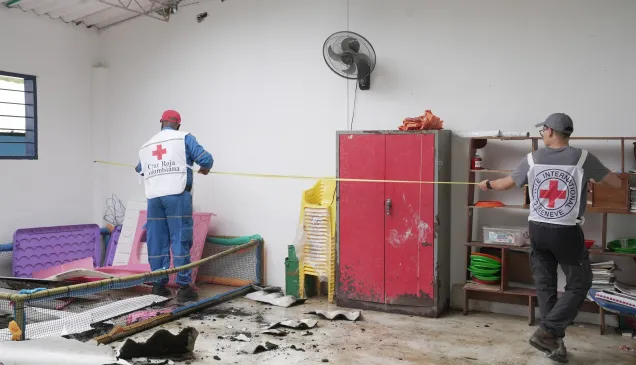
In 2025, the humanitarian impact of armed conflict in Colombia remained critical and manifested itself differently across regions. This situation was shaped by the intensification of hostilities, the way in which the confrontations unfolded, and how civilians were treated in areas where state and non-state armed actors were present and exercised control.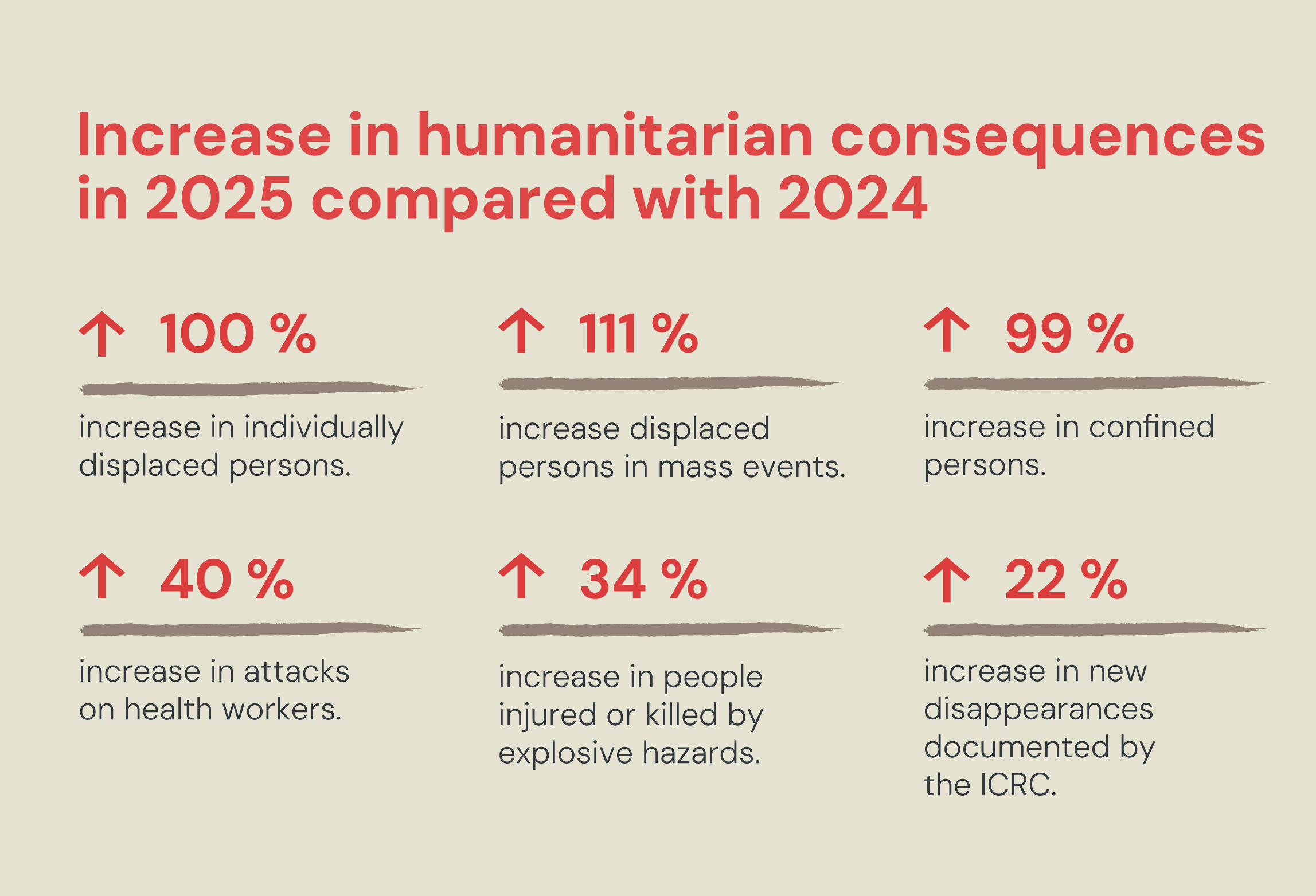
According to the Comprehensive Victim Support and Reparation Unit (UARIV), at least 235,619 people were displaced individually, 87,069 were displaced in mass displacement events, and 176,730 remained confined. In the same year, the ICRC recorded 965 people injured or killed by explosive hazards, mostly civilians. It also documented 308 new disappearances. For its part, the National Medical Mission Board reported 282 attacks on health workers in connection with armed conflicts.
Compared to 2024, these indicators point to an overall increase in the number of people affected, particularly in individual and mass displacement and in confinement, all of which have doubled.
This deterioration was reflected both in visible and immediate events and in deeper, more long-lasting effects that altered civiliansʼ living conditions. The weakening of the social fabric, prolonged restrictions on access to essential goods and services, and changes in livelihoods have had lasting effects on communities.
What happened in 2025 was not a sudden phenomenon. Since 2018, the ICRC has observed a gradual deterioration of the humanitarian situation, in a context marked by the persistence of several non-international armed conflicts and increasingly complex dynamics that have broadened their impact on civilians.