Latin America and the Caribbean: When seeking medical care is dangerous

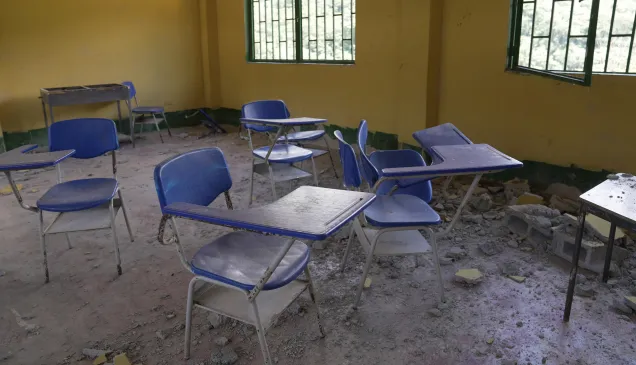
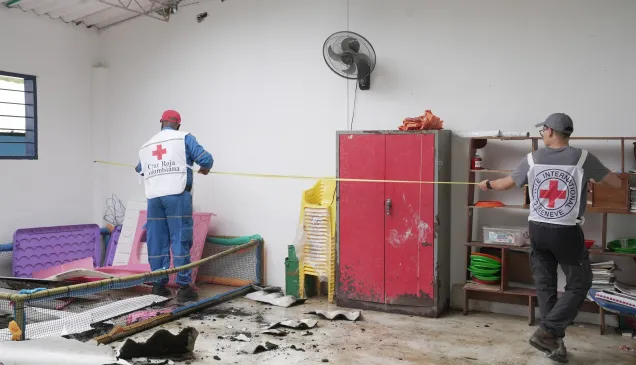
In places where armed violence is rife, health-care workers may be harassed or subjected to physical or verbal abuse. Ambulances face even greater risks when transporting patients, struggling to do so safely. Health-care facilities are often damaged during clashes and their operations frequently disrupted. Meanwhile, patients are unable to access health care, either out of fear or because of security risks or difficulties in reaching health-care facilities, or simply because services have been shut down.
The International Committee of the Red Cross (ICRC) and other members of the International Red Cross and Red Crescent Movement have observed that these issues are becoming increasingly common in many of the affected communities across Latin American and the Caribbean.
“While acts of violence against health-care services are widespread, it is in Colombia, Mexico, Haiti and Ecuador where serious incidents linked to armed violence are most frequently reported. It is communities that suffer when health-care workers and the health system are jeopardized. Safeguarding their proper functioning is essential to ensure people can access health-care services,” explains Gabriel Mayorga, ICRC Regional Adviser for the Protection and Respect of Healthcare.
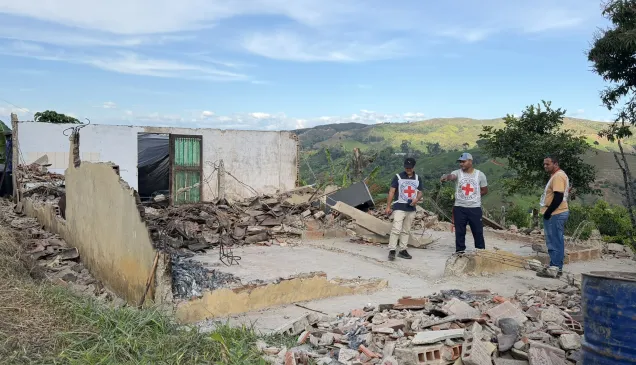
Far from being isolated incidents, these events reflect a worrying pattern of violence that is affecting the provision of health-care services in places across the region where armed conflict and other situations of violence are widespread. According to figures from the National Medical Mission Board,* a total of 282 acts of violence against health-care services related to non-international armed conflicts were recorded in Colombia in 2025, indicating breaches of international humanitarian law. Incidents include threats and murders, with health-care workers and wounded people who are no longer taking part in the hostilities targeted, either in ambulances or in health-care facilities.

* This technical board, led by Colombia’s Ministry of Health, documents incidents of violence against health-care workers in armed conflict and other situations of violence in Colombia. It comprises the Ministry of Health, the Office of the Ombudsman, the Pan American Health Organization, the Colombian Red Cross and the ICRC.
Furthermore, in the areas most affected by armed conflict, communities are having their movements restricted, limiting their ability to access health-care services in a timely way. In some cases, the consequences are deadly.
“I remember the case of a woman from an indigenous community who suffered pregnancy complications. The dynamics of the armed conflict resulted in movement restrictions. Unable to get to the nearest health centre, both she and her baby died,” says a member of the ICRC’s health team in Colombia.
In these situations, the ICRC maintains a bilateral and confidential dialogue with all parties to the conflict to remind them of their obligation under international humanitarian law to respect and protect health care.
Even in countries not experiencing armed conflict, health-care services still suffer the consequences of violence. In Mexico, the ICRC documented more than 180 serious incidents affecting health-care services and patient care between 2024 and 2025, based on primary and publicly available information. These incidents include attacks against – and sometimes the murder of – health-care staff, patients and their families, armed raids on health-care facilities, and the theft of data and supplies, among others.
Beyond the statistics, these incidents have a profound impact on the lives of health-care workers. Fernanda*, a psychologist from southern Mexico, went from being a provider of mental-health care for health-care workers affected by violence to being a victim of violence herself.
“Being a mental-health professional does not protect us from violence and its consequences. We have received threats and our lives have been in danger. In my case, I had to move away. I left behind my home and my support network, and the health centre where I worked had to close for more than a year. I still have nightmares and feel very anxious whenever I think about the centre reopening at some point and having to go back. I’ve had to have psychotherapy and medical treatment to be able to cope with it,” she recounts.
* Name has been changed to protect the person’s identity.
The ICRC is also very concerned about the situation in Haiti. The escalation of armed violence since 2024 has put out of service more than 70 per cent of health services in the capital, Port-au-Prince. Most health-care facilities have been affected, preventing people from accessing them safely. Emergency services, care for pregnant and breastfeeding women, and other medical specialties have collapsed. Furthermore, many patients with chronic conditions have no access to medical care at all.
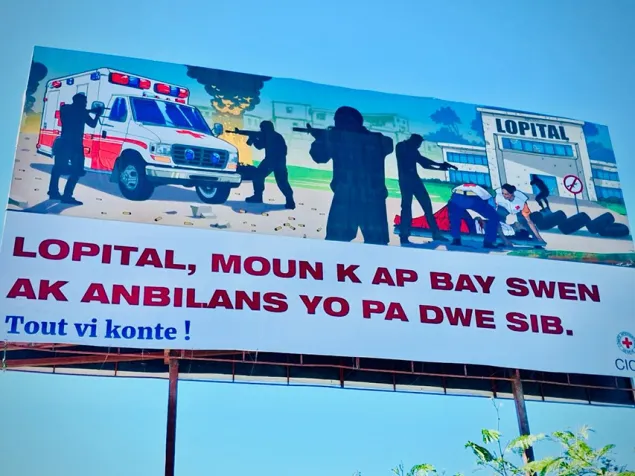
In Haiti, the ICRC uses various channels to remind people of their obligation to respect health-care workers. This banner in Haitian Creole reads: “Hospitals, health-care workers and ambulances must not be targeted. Every life counts!”
Against this backdrop of violence, which is significantly affecting and restricting people’s access to health-care services, the La Paix University Hospital is now the only major state-run hospital still operating in Port-au-Prince. But it faces a whole host of challenges.
“We don’t have enough beds for all the patients coming to the hospital – we have to treat and resuscitate some patients on the floor,” says Dr Myriam Gousse, head of the hospital’s emergency department.
Staff are also under pressure. “Sometimes wounded patients come armed and draw their weapons to force our staff to treat them. We are seeing more incidents like this” adds Dr Gousse.
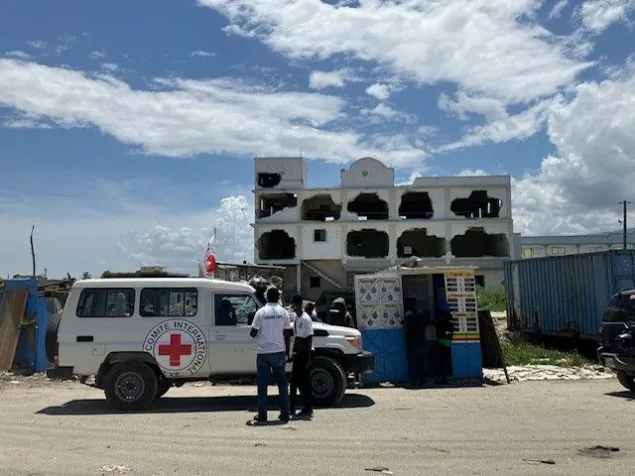
Ecuador is another country grappling with a troubling escalation of armed violence that is impacting health services, particularly in the most turbulent areas. This situation has posed significant challenges for the management of health facilities in these critical regions, resulting in the temporary suspension of certain services and increased difficulties for the population in accessing health care.
“In light of this situation, the Ecuadorian Red Cross, together with members of the Movement, has stepped up its efforts to promote respect for health services and to provide support to the Ministry of Health, medical facilities and health-care staff, as well as affected communities. Our actions uphold the right of health-care professionals to carry out their work in an environment free from pressure and threats,” explains Jhonny García, security coordinator for the Ecuadorian Red Cross.
How do we address this issue?
Dialogue with weapon bearers and strengthening legal frameworks
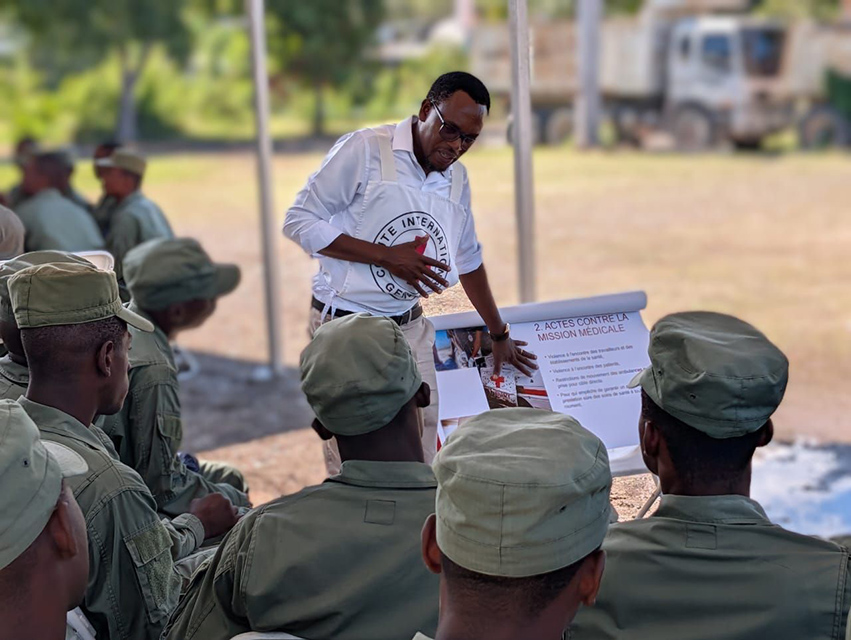
In Port-au-Prince, Haiti, the ICRC talks with weapon bearers about their obligation to respect the work of health-care staff and humanitarian principles.
During our bilateral and confidential dialogue with armed actors, we remind them of their obligation to respect health-care staff and facilities, as well as humanitarian workers. We use these talks to stress that health services must always be protected from attack.
Together with public health authorities and other organizations, we promote prevention and we help to strengthen the response to violence against health-care services.
We also provide technical support to the authorities to help them formalize and strengthen regulatory frameworks that effectively recognize and address the threat of violence against health-care facilities, while establishing the rights of and protections for health-care staff and patients in situations of violence.
Strengthening the Health Sector
We support health-care systems at different levels to prevent, mitigate and manage the effects of violence.
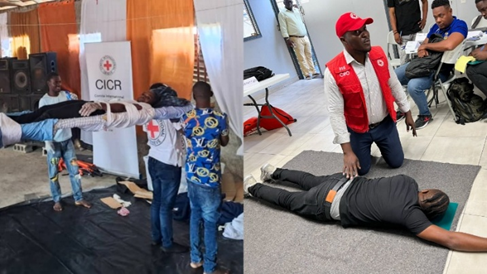
In Haiti, throughout 2026, fierce armed clashes have been affecting people in the capital, Port-au-Prince. For months, the ICRC has been providing medical supplies and first-aid training to community health workers.
In the areas most affected by violence, we provide training and workshops to ensure that health-care staff and facilities are better prepared and more resilient when it comes to responding to and recovering from violence.
In addition, we work collaboratively to promote safety protocols and contingency plans for health-care teams working in high-risk environments.
Regional cooperation
Since 2024, the ICRC, together with the National Red Cross Societies in the region, Partner National Societies, and the International Federation of Red Cross and Red Crescent Societies, has intensified its regional cooperation for a coordinated response to this issue.
We provide joint technical support to Red Cross Movement teams in the region, as well as training, events, and knowledge exchange among the most affected actors.
Regional guidance on safeguarding health care in violence-affected contexts
Members of the Movement in Latin America and the Caribbean have produced a technical guidance document that aims to increase understanding of the violence perpetrated against health services. It offers practical recommendations for tackling the issue collectively, and provides staff with tools to improve safe access to health services.
This guide is the result of a close collaboration and the sharing of expertise between National Societies in the region with experience in protecting and respecting health care – such as the National Red Cross Societies of Colombia, Ecuador, Venezuela, Costa Rica, Mexico and Honduras – and the ICRC, the IFRC, the Norwegian Red Cross and the Spanish Red Cross.