The Planning Process

Section 1: An introduction to behavioural change
Before we start we need to know a little about why people do the things they do and how you can influence them to change their behaviour.
SECTION 2: The planning process
The Planning Process shows you how to develop your “Reduction of Weapons” intervention
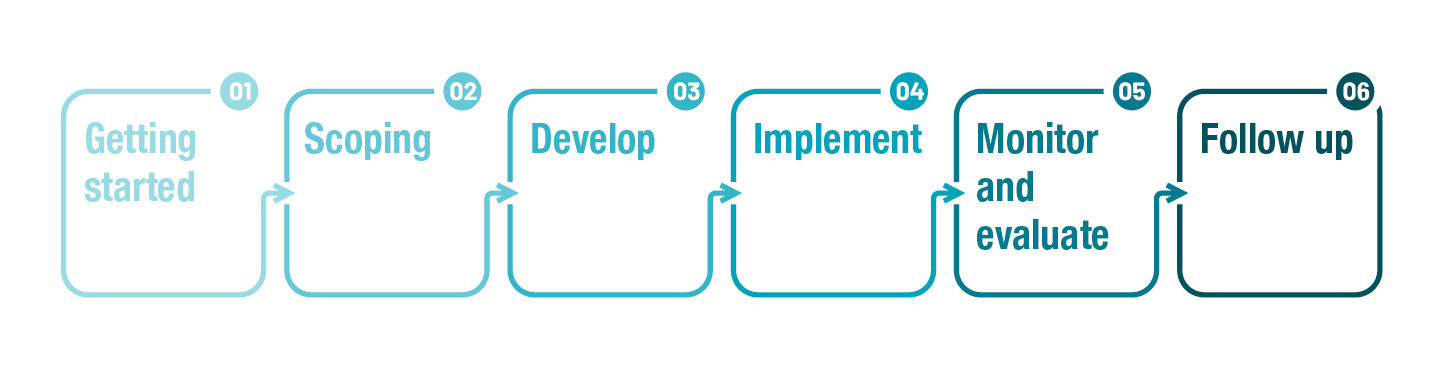

The Planning Process has 6 easy to carry out sections that take you from identifying the type of problem that needs to be addresses through to implementation and finally evaluation.
Where to begin?
Start with the “GETTING STARTED” SECTION and LISTEN to the video.
After the first section you can scroll from top to bottom for a comprehensive listening and reading.
You can download all presentations by clicking on the button next to the videos in PowerPoint format.
Geting started
This section outlines how you can understand if your problem can be helped with this tool
Scoping
Here you will learn how to carry out an impact assessment so you have a baseline to assess if your intervention is successful
Develop
This section helps you to identify the key levers that need to be in place to ensure your intervention works.
Implement
This section outlines how to finalise your Implementation Plan.
Monitore and evaluate
This section helps you to check whether the intervention is actually making a difference – are there fewer weapons in the healthcare facility?
Follow up
What lessons can we learn and disseminate to others?
SECTION 3: Resources and more
Below you can find more information on case studies and discover several communication techniques.
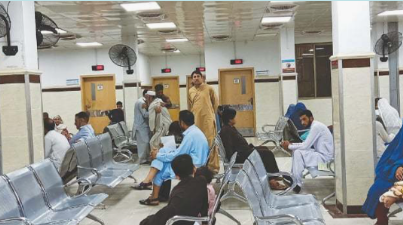
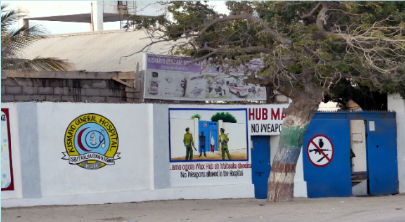
These case studies show how different healthcare facilities have developed, implemented and evaluated their own interventions. It will provide you with ideas that could be used in your healthcare facilities and some key learning points from each location. Discover more on Somalia and Pakistan.
This section provides you with a range of “best practice” communication and engagement techniques to make your “No Weapons” campaign effective and efficient. They are simple to understand and use and could make your communications more successful.