Australia: 100 years of humanitarian action in detention

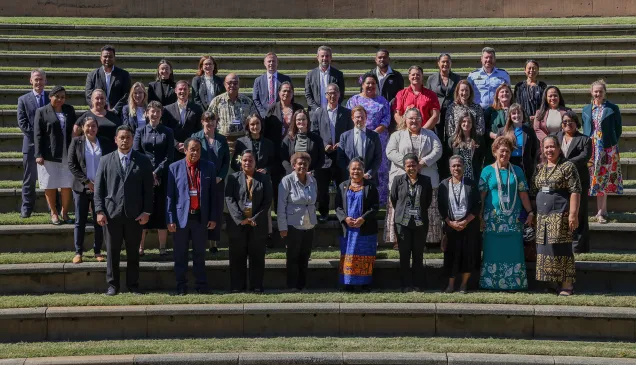
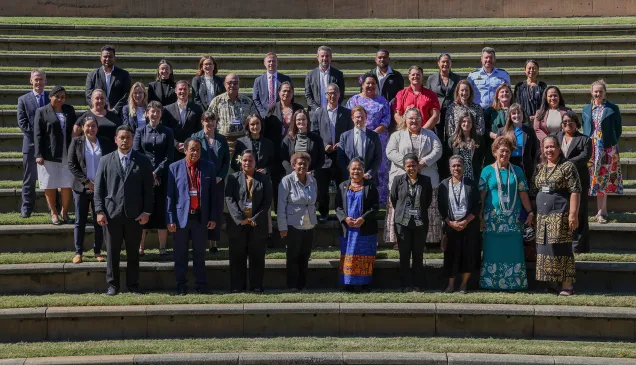
The ICRC Australia Mission hosted a special event marking 100 years of ICRC's humanitarian action in detention at the Palace Electric Cinema in Canberra on 11 December. Up to 50 people attended the event and Q+A session, including academics, government and military officials and students.
The event was inspired by the centenary of the International Tracing Agency for Prisoners-of-War, which marked the beginning of ICRC's work with detainees.
Following an introduction by ICRC Australia head of mission Leonard Blazeby which charted ICRC's evolving work in prisons, three key speakers presented on a range of themes related to humanitarian action in detention, including impartiality, confidentiality and the law.
Natalie Deffenbaugh, detention delegate for ICRC Pacific Regional Delegation, started off with a thought-provoking presentation, "Confidentiality, not compromise: concrete steps to ensuring respect for the life & dignity of detainees". Ms Deffenbaugh gave an insight into life as a detention delegate, discussing how ICRC's confidential and impartial principles continue to be the best approach for gaining access to – and encouraging respect for – detainees in situations of conflict and violence around the world.
Next, Dr Christine Winter, an Australian Research Council Future Fellow at the University of Sydney, recalled the experiences of the ICRC's first delegates to Australia during the Second World War. Dr Winter outlined how the delegates faced both challenges and opportunities in their mission to provide impartial humanitarian assistance to the thousands of prisoners of war and civilians internees detained in Australia from 1940-1947.
Wrapping up the event, ICRC Pacific Regional Legal Adviser Netta Goussac spoke about the ICRC's Strengthening International Humanitarian Law process. Her presentation outlined the efforts currently underway to bolster legal protection for persons deprived of their liberty, particularly in relation to non-international armed conflict, which in comparison to international armed conflict is very limited. With a mandate from the international community, the ICRC is consulting with government experts from around the world, including Australia, in order to evaluate how the laws of war might be strengthened to meet the humanitarian needs of detainees.