News release

Ethiopia: ICRC provides seeds and fertilizers to 132,000 people

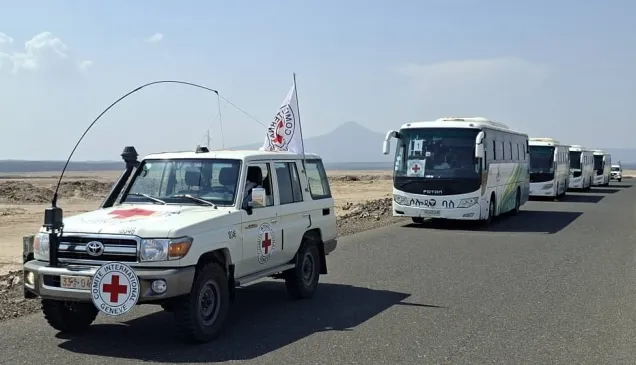
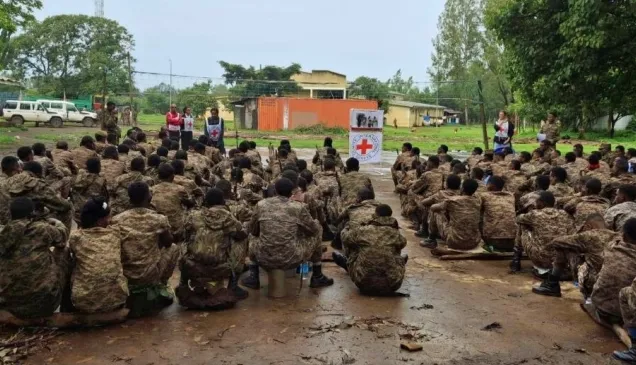
Tigray_seed & fertilizer-distribution.jpg

Addis Ababa (ICRC), 25 June 2026 – Helping rural communities maintain their resilience amidst ongoing conflicts is crucial in Amhara and Oromia, Ethiopia’s two most populous regions, as well as in Tigray, where communities still suffer from the effects of the 2020-2022 hostilities. To support their agricultural activities before the onset of the rainy season, despite fuel shortages worsened by the situation in the Middle East, the International Committee of the Red Cross (ICRC) has distributed seeds and fertilizers to 132,000 farmers and family members – more than twice as many as in 2025.

The support focused on families headed by women or with a single parent in areas where the need is greatest and access is most challenging within the three regions.

The humanitarian operation was rolled out between early May and 22 June 2026, in cooperation with the Ethiopian Red Cross Society (ERCS). “Making sure that vital support reached the rural communities was challenging this year,” said Mulan Giovannini, head of the ICRC’s operations in Ethiopia. “The fuel crisis disrupted transportation and access to certain places was difficult.” 

Seeds were procured from local cooperatives the ICRC supported through a seed multiplication programme. The fertilizers were purchased in early 2026, which ensured their timely availability for the distributions.
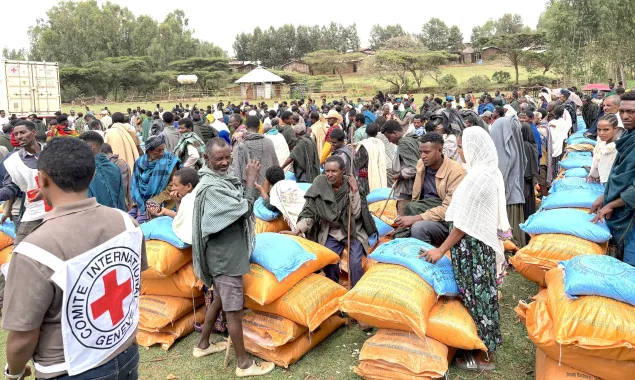
Amhara-seed & fertilizer-distribution.JPG

The seed and fertilizer distributions, such as here in North Mecha woreda of North Gojjam zone, Amhara region, aim to help farmers and their families to overcome the multiple shocks they are facing.

You reached us during a very difficult time,” said a farmer from a hard-hit area in West Wellega, in the Oromia region. About 30,000 people benefitted from the assistance in this zone, while 18,000 residents of the Sasiga district in East Wellega received wheat and teff seeds along with fertilizers. 

In Amhara, the ICRC and ERCS distributed seeds (mostly a mix of maize, wheat or teff) and fertilizers to 12,000 people in seven affected areas of Gojjam and to 36,000 in nine isolated communities of North Wollo. One of the residents said:

Getting fertilizer is a luxury here – access and supply has been a big constraint for over a year."

In Tigray, fertilizers, wheat, teff and sorghum seeds were distributed in 13 rural areas from the southern, eastern, central and northwestern zones, helping 36,000 farmers and their families.

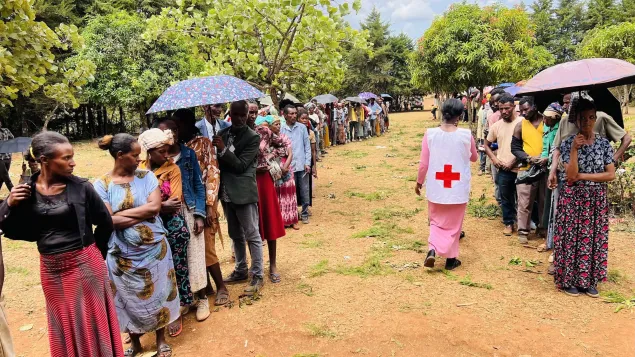
Oromia--West-Wellega--seed-and-fertilizer-distribution.jpg

A volunteer from the Ethiopian Red Cross Society (ERCS) walks between farmers gathering to receive seeds and fertilizers, in a conflict-affected area of Kiltu Kara woreda, West Wellega zone, Oromia region.

The ERCS volunteers played a pivotal role in the registration of beneficiaries and in the distribution process. The operations were carried out in agreement with the local representatives of the Ministry of Agriculture, at district and regional levels, and in full transparency with the relevant stakeholders at federal level and on the ground.

While the completion of the large-scale distributions will strengthen the resilience of 22,000 rural families, Mulan Giovannini expressed concern about the current climate forecasts: “El Niño conditions have started and are expected to persist, which historically has meant less rainfall during the June to September period over many areas of Ethiopia. During past years with similar conditions, yields were below normal in places such as eastern Tigray or northeastern Amhara, where we provided support this year.”

The ICRC in Ethiopia, working closely with the ERCS, remains committed to supporting conflict-affected communities to help preserve people’s lives, dignity and livelihoods.

About the ICRC

Since 1863, the International Committee of the Red Cross (ICRC) has worked to preserve human dignity and relieve suffering caused by war and armed violence.

In collaboration with our Red Cross and Red Crescent partners around the world, we do everything we can to deliver life-saving aid, reconnect families and locate missing people – helping those who need it most, regardless of who they are and what side of the front line they are on.

We engage with authorities and armed forces on all sides, often confidentially, pressing for access to detainees to improve their living conditions and urging compliance with international humanitarian law to protect non-combatants, including from digital threats.

For more information, please contact:

Zewdu Ayalew, ICRC Ethiopia, tel: +251 944 101 700, email: zayalew@icrc.org

Jean-Yves Clemenzo, ICRC Geneva, tel: + 41 79 251 93 02, email: jclemenzo@icrc.org