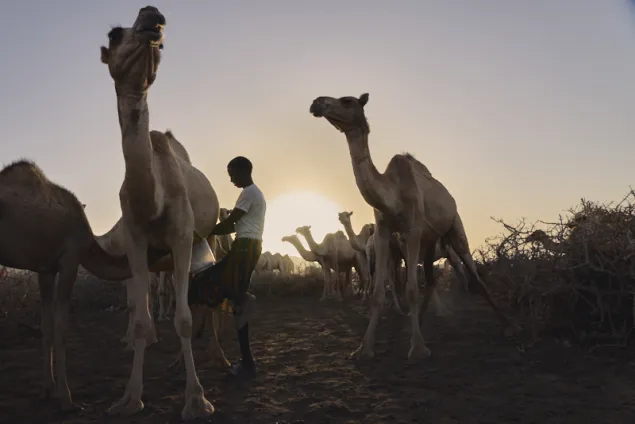
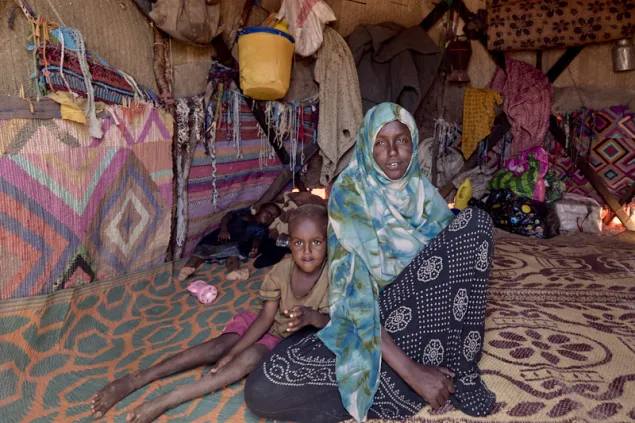
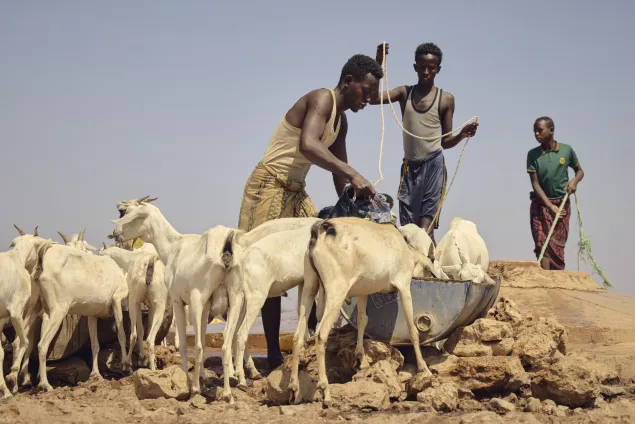
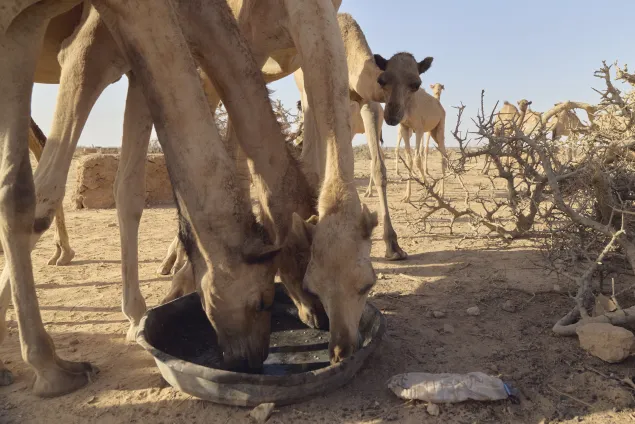
For Somalia’s pastoralists, livestock is everything. A way of life passed down through generations. Wealth that has transcended time - a currency and identity rolled into bone and hide, resilient through centuries of conflicts, drought and every hardship you could think of. These animals, especially the camel, have carried families through repeated crises. The camel in particular was considered untouchable, a beast that had defied even the harshest seasons.
Then came the rains that never arrived.
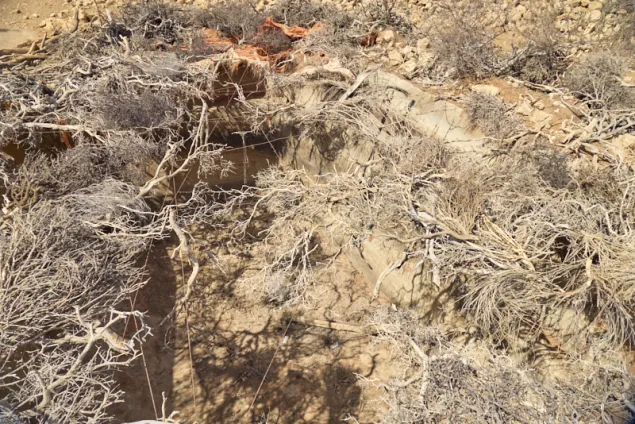
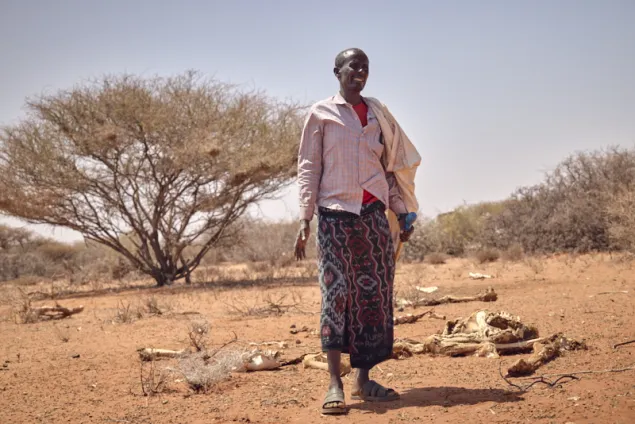
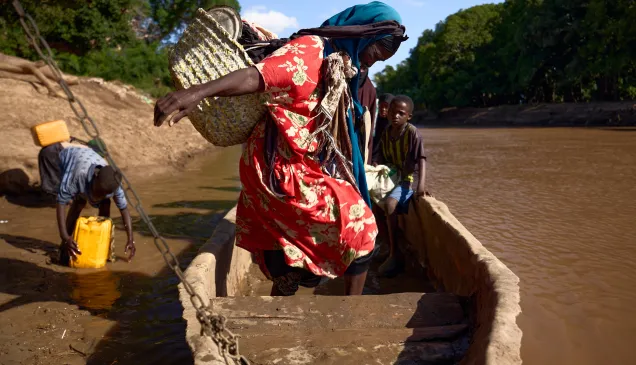
Back-to-back seasons of failed rains. The Gu rains, Somalia’s main wet season that falls between April and June failed. The short rains, Deyr season, that occurs between October and December were also poor. Even the man-made watering holes evaporated into the cracked earth. And then in their thousands, the animals started to die. The camels too. What had seemed impossible, has now become inevitable.
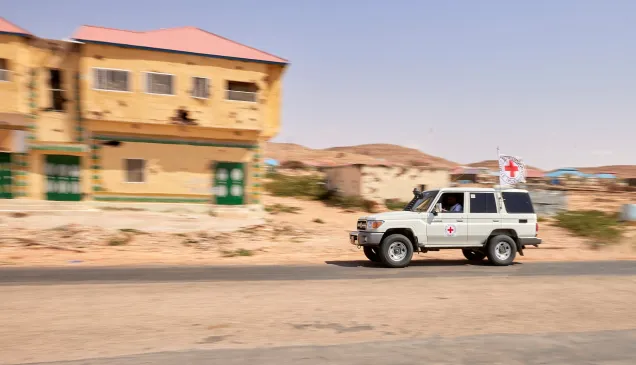
This is a record of a country under siege from two directions all at once. The grinding attrition of conflict and the compounding catastrophic failures of climate shocks.