Madam President, Excellencies, Distinguished Delegates,
We gather at a pressing moment in history. The toll of armed conflicts is mounting. Last year, the ICRC recorded 130 armed conflicts: twice more than fifteen years ago. At such a time, the world needs leadership to protect humanity in war.
Humanity is preserved when the rules of war are respected. The Anti-Personnel Mine Ban Convention is rooted in international humanitarian law (IHL). It is based on the principle of distinction that must be made at all times between combatants and civilians, ensuring that the latter is protected from harm. The choice of means and methods of warfare is not unlimited: weapons that cause superfluous injury or unnecessary suffering are prohibited.
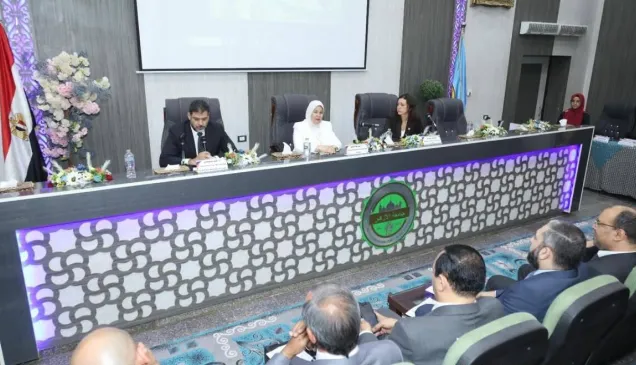
In this context, Madam President, I thank you for this opportunity to address the 22nd Meeting of States Parties to the Anti-Personnel Mine Ban Convention on behalf of the ICRC.
In the late 1980s, based on what our delegates were witnessing in armed conflict, the ICRC referred to anti-personnel mines as a “worldwide epidemic” with an estimated 24,000 people killed or injured each year, mostly civilians and children in particular. After years of steady progress in implementing the Anti-personnel Mine Ban Convention and reducing harm, mine casualties have reportedly risen again last year, with over 6,000 casualties, 90% of whom were civilians.
The humanitarian consequences are devastating. Think of the direct physical harm endured by the victims and the life-long consequences for them and their families. The economic impact is no less significant: think of widespread impaired land use and the need to invest for decades in mine clearance, not to mention the need for physical rehabilitation and socio-economic reintegration programmes. Besides, the limited military utility of Anti-Personnel Mines for national defence or deterrence was already seriously questioned before the Convention was adopted in 1997, and ever more so in contemporary warfare where such utility is vastly outweighed by the devastating humanitarian consequences.
Excellencies, ladies and gentlemen,
Even as we recognise the dire humanitarian impact of anti-personnel landmines and the benefits of the Convention, the global commitment to ban such weapons is starting to erode. Alarmingly, several States that once championed humanitarian disarmament have taken steps to withdraw from this Convention, or purportedly “suspend” its application. This is not only a step backward that risks eroding life-saving protections and decades of global efforts towards a mine-free world. It also risks undermining the multilateral disarmament enterprise and wider efforts to uphold IHL.
Preparing for war by abandoning treaties that protect humanity in armed conflict is the wrong choice. Such treaties are precisely meant to make a difference and protect people in wartime.
The ICRC calls on you to seize this 22nd Meeting of States Parties to fulfil your responsibility to defend and to promote the norms enshrined in the APMBC. This can be done in four areas:
First, taking every measure to ensure the faithful implementation of the Convention domestically.
Second, reinforcing the stigma associated with anti-personnel mines. This means denouncing any conduct that departs from the humanitarian norms of the Convention and reiterating your unequivocal condemnation of any use of anti-personnel mines by anyone, anywhere.
Third, we urge States to reconsider withdrawal and, instead, remain committed to this Convention. Now is a time to draw lessons from the hardships endured by people across the globe who have fallen victim to anti-personnel mines. Now is a time to refrain from imposing similar suffering upon our own communities and upon others. Going backwards to a world where the production, acquisition, stockpiling, use, retention or transfer of such indiscriminate weapons is normalised would not only cause unspeakable harm, it would also gravely erode collective stability and security efforts.
Lastly, it is crucial to call on those States that are not party to the Convention to join and fully commit to a world free of anti-personnel mines without delay. In this regard, we welcome and congratulate the Marshall Islands and Tonga for joining the Convention this year. As membership grows, so does the global norm against anti-personnel landmines.
Ladies and gentlemen,
Evidence shows that when implemented, humanitarian disarmament treaties save lives, protect civilians and reduce suffering in war. Sustained commitment to this Convention can only be achieved through the political will of States. This responsibility cannot be transferred, postponed nor discarded. The ICRC stands ready to support all States in this endeavour.
Let us collectively seize this moment to ensure that the Anti-Personnel Mine Ban Convention remains a cornerstone of humanitarian disarmament for years to come, protecting human life and preventing future harm.
Thank you.