African Union: Safeguarding water and sanitation in armed conflict and detention

More than one-third of the world’s armed conflicts take place in Africa, making the protection of essential services critical. Against this backdrop, the African Union and the ICRC convened a dialogue on safeguarding water and sanitation systems in armed conflict and detention settings.
When water systems stop working during armed conflict, the consequences reach far beyond damaged infrastructure. Families lose access to safe drinking water, hospitals struggle to function and communities face diseases and displacement. For people in detention, finding water elsewhere is not an option.
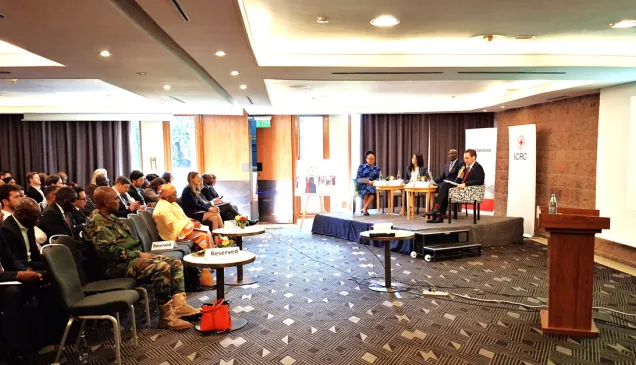
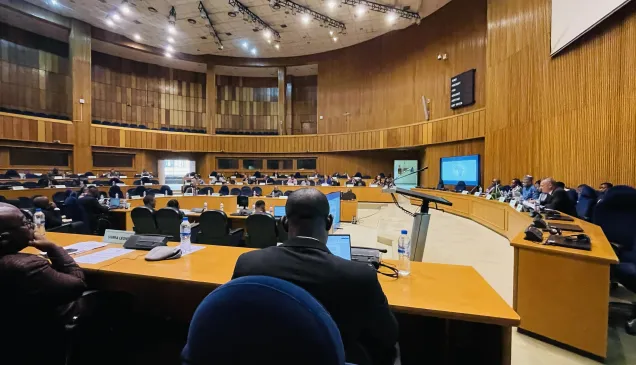
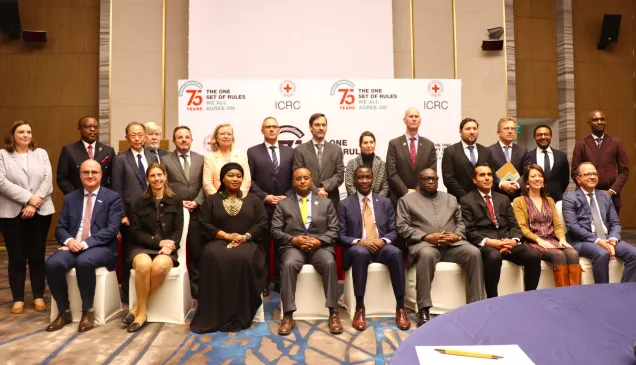
These humanitarian concerns were at the centre of a policy dialogue jointly convened by the African Union (AU) and the International Committee of the Red Cross (ICRC) at AU headquarters in Addis Ababa on 4 September 2026. More than 90 participants, including AU member state representatives, officials, international organizations and United Nations (UN) agencies, gathered to discuss how these essential services can be preserved when conflict and detention put them at risk.
“Protecting water systems is not only about protecting infrastructure. It is about protecting people,” said Mame Ibrahima Tounkara, Head of the ICRC Delegation to the AU.
The dialogue brought a humanitarian perspective to the AU’s 2026 theme, which centres on ensuring sustainable access to water and sanitation across the continent as part of the goals set out in Agenda 2063, emphasizing the need to translate international humanitarian law (IHL) commitments into practical protection.
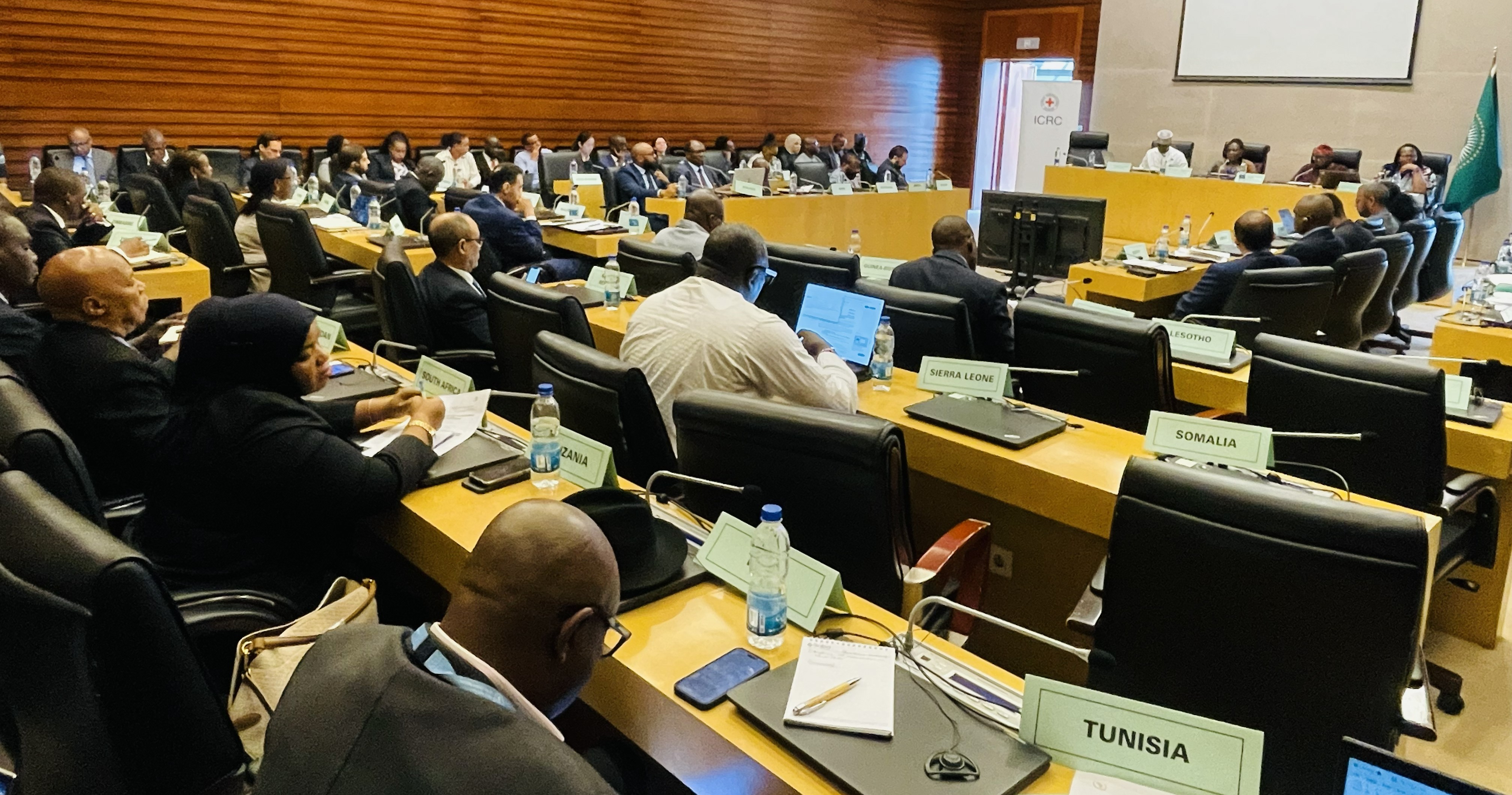
Attacks against civilian objects, including water and sanitation systems, should never be regarded as an unavoidable consequence of armed conflict. They are neither inevitable nor acceptable, said Ambassador Churchill Ewumbe Monono, acting chair of the Permanent Representative Committee Sub-Committee on Refugees, Returnees, Internally Displaced Persons and Migrants.
Discussions highlighted the need to integrate the protection of essential infrastructure into military planning, consider the wider consequences of damage, and strengthen coordination between military authorities, humanitarian organizations and water service providers.
Panelists examined how repeated damage and disruption can gradually undermine entire water and sanitation networks. Beyond immediate repairs, maintaining services requires sustained investment, access for technical personnel and resilient systems that can withstand prolonged crises.
Participants also examined water and sanitation in detention, where overcrowding and inadequate infrastructure can threaten health and dignity. They called for detention facilities to be included in national water and sanitation strategies, with attention to the needs of women and persons with disabilities.
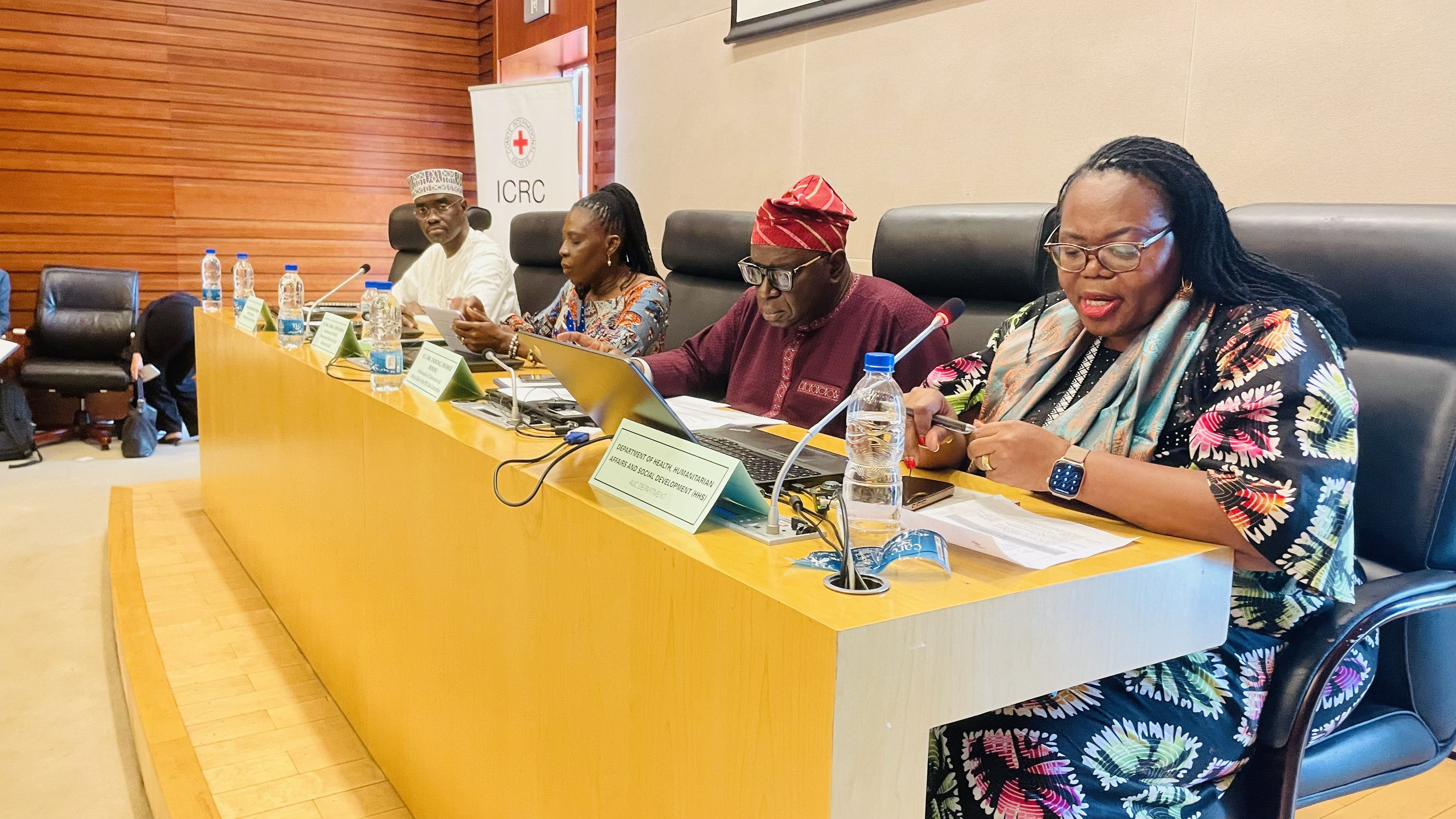
The exchanges emphasized that people deprived of their liberty must not be overlooked when resources are scarce. Proposals included improving coordination between detention authorities and water service providers, investing in resilient technologies and mobilizing resources to ensure reliable access to these essential services.
The panelists, including Makgothi Samuel Thobakgale, the Head of the African Correctional Services Association and Commissioner Maria Teresa Manuela, the Special Rapporteur on Prison, Condition of Detention of the African Commission on Human and Peoples’ Rights acknowledged the challenges and asserted their commitments.
Tounkara urged AU partners to include humanitarian and IHL considerations in the policies advancing the continental theme, linking immediate needs with the long-term continuity of essential services.
We need to combine emergency response with longer term, systemic approaches that strengthen resilience and sustainability, while making use of humanitarian diplomacy to help protect and maintain essential services, he said.