Gaza: Thousands of families suffer in uncertainty while their loved ones remain missing

People in Gaza not only experience the direct consequences of fighting, such as death and injury, or loss of their homes. They also experience suffering that is less visible, as many of them are left in limbo, not knowing the fate of their loved ones.
In Gaza, thousands of families are waiting for news of missing loved ones, some for nearly three years. They do not know if those they seek are still alive, are perhaps detained, or are dead and lying beneath the rubble. This means daily suffering for families as they continue to grapple with uncertainty.
Under international humanitarian law, each party to an armed conflict has the obligation to take all feasible measures to account for persons reported missing as a result of armed conflict and must provide their family members with any information it has on their fate.
In this article, we share some of the stories told to us by families of missing people in Gaza; the suffering, pain and uncertainty they have shared with us, and the fear that they may never see their loved ones again.
Fatima Al Najjar is the sister of Mohammed Al Najjar, 23, who has been missing since December 2023. Everywhere she goes, she carries the photo of her brother and asks people if they have seen him. Fatima says, "Mohammed has been our only support. I just want to know any news about him. I want to reassure my family that he is okay."
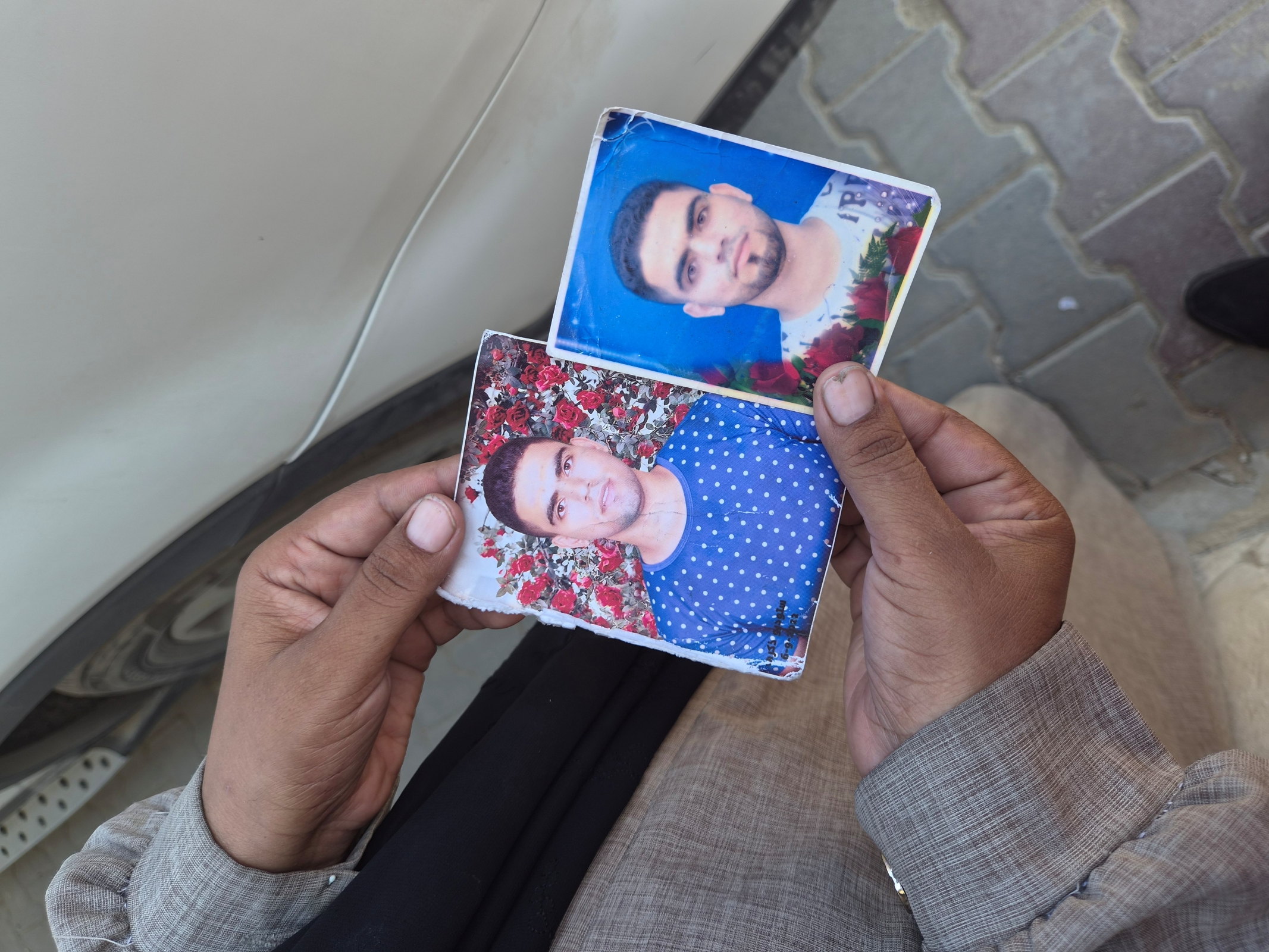
Even though the families of people who are missing have different stories, they all experience the same uncertainty: what happened to their loved ones?
Israa Al Kahldi, a 28-year-old lawyer, went missing in 2024 on her way from Rafah to Gaza City. Her father, Majed Al Khaldi, 60, says, "She was going to Gaza City to see her brothers, but she did not come back. We celebrated her birthday this year and created a video of her to keep remembering her."
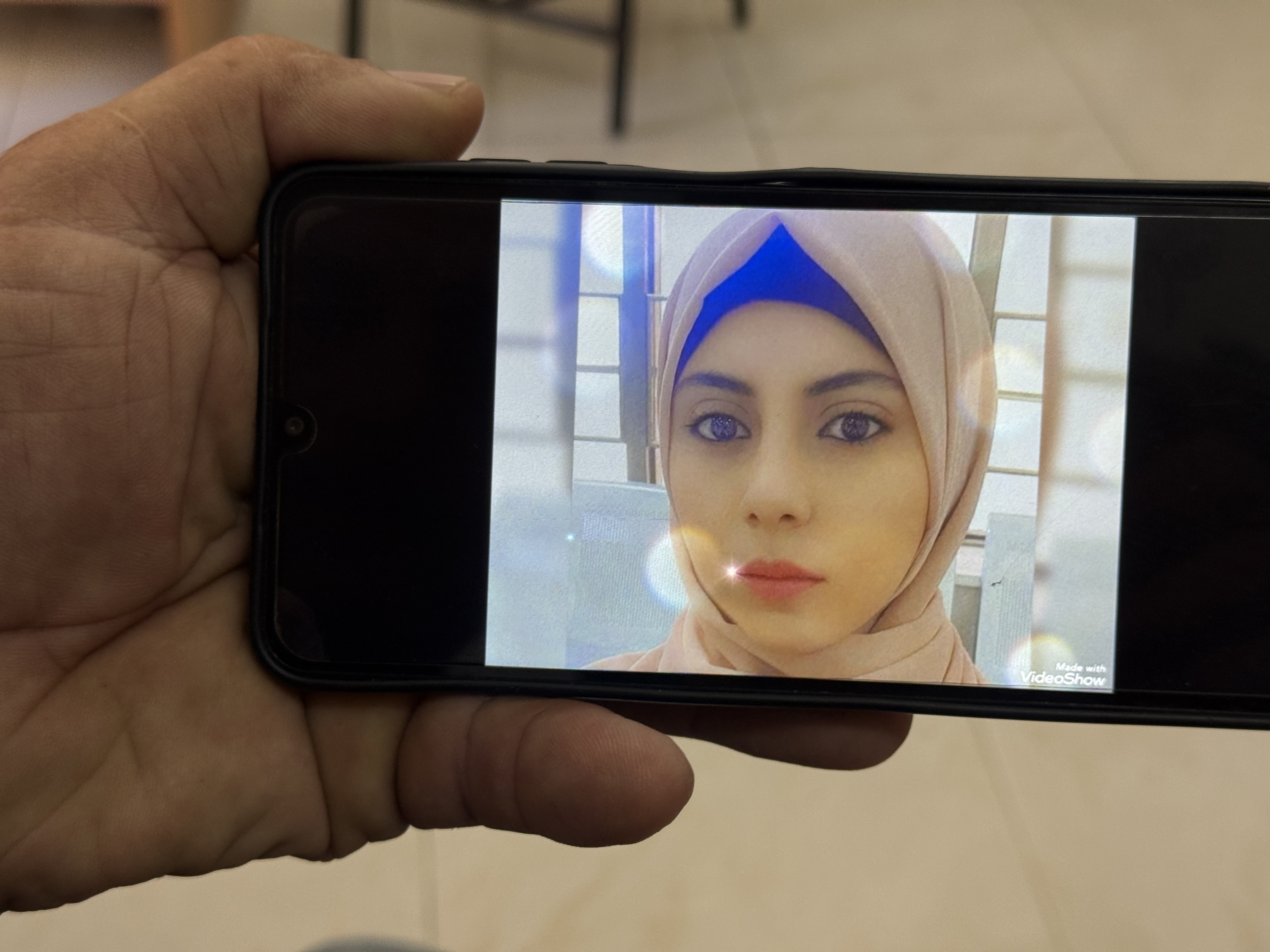
For 60-year-old Itidal Al Firri, the pain never ends. Every day, she sits by her door, hoping that her missing daughter, Wala Al Firri, 24, will one day walk through it. Itidal says, “I just want to know where she is, what happened to her?”
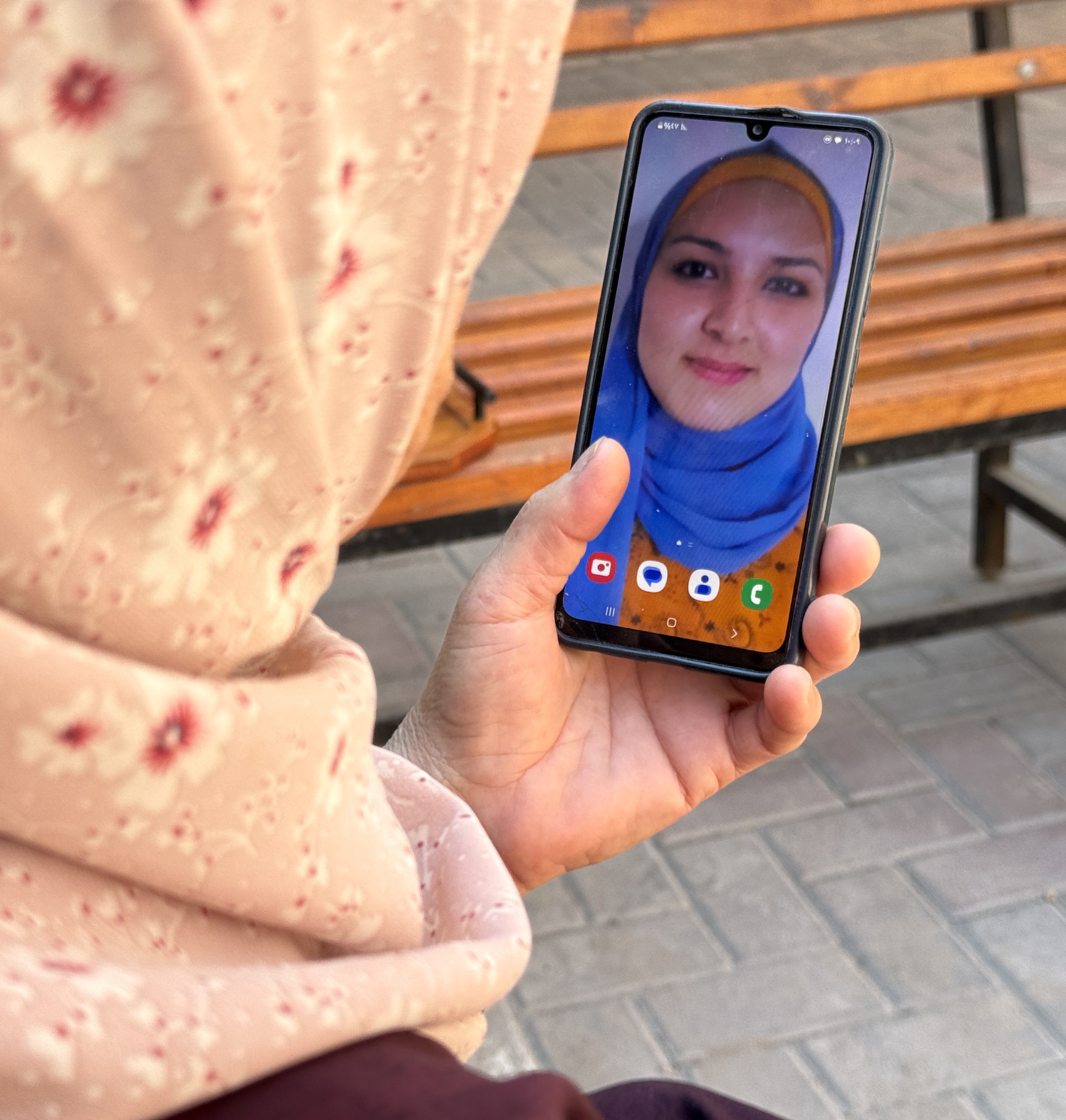
For families who know their loved are deceased, but who do not know where their remains are, there are different challenges. Searching for, recovering and identifying human remains can take years, leaving families waiting for answers.
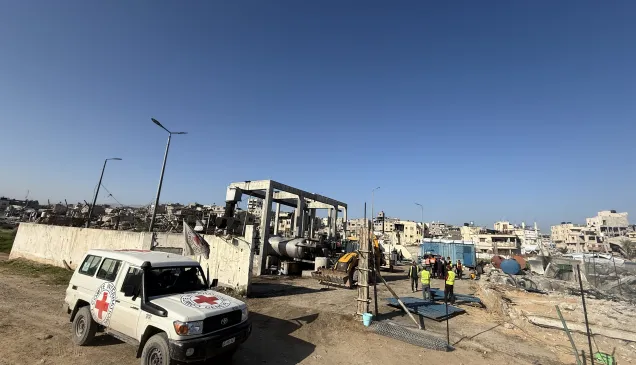
In Gaza, the ICRC supports the search for and recovery of the deceased. These operations are complex, requiring specialized equipment that is not readily available in Gaza, as well as sustained coordination among multiple actors. The ICRC also supports forensic authorities in strengthening the proper management, documentation and traceability of human remains, and in improving cemetery management and infrastructure. However, forensic capacity in Gaza remains severely limited, and DNA testing facilities do not currently exist.
The suffering of the families of missing persons is among the most enduring consequences of armed conflict. The wait for answers is an invisible wound that is unable to heal until the fate of a loved one becomes known. Families may have to wait years to have closure, and some may never know what has happened to their loved ones.