South Sudan: ICRC-supported hospitals deliver critical care as conflict-related casualties reach highest level in eight years

Nearly 1,000 weapon-wounded patients have been treated in hospitals supported by the International Committee of the Red Cross (ICRC) in South Sudan so far this year, the highest figure recorded since 2018. This reflects the sharp resurgence in fighting in the country and raises major concerns.
Escalating violence since the beginning of the year has triggered a surge in patients wounded by gunshots, explosions and other weapons. Health facilities, especially in remote areas, are under extreme pressure, with many patients arriving after long delays that drastically reduce their chances of survival.
Paul was evacuated by the ICRC from Nagero county to Juba, where he has undergone multiple surgeries and continues to recover. Like many patients in South Sudan, he had to wait several days before receiving his first medical care, further complicating the work of surgical teams.

"I could not believe that I was alive because I was alone with no relative," says Paul Gabriel Renze. "But thanks so much to this hospital, when I was brought here, the hospital staff treated my wounds and took care of me."
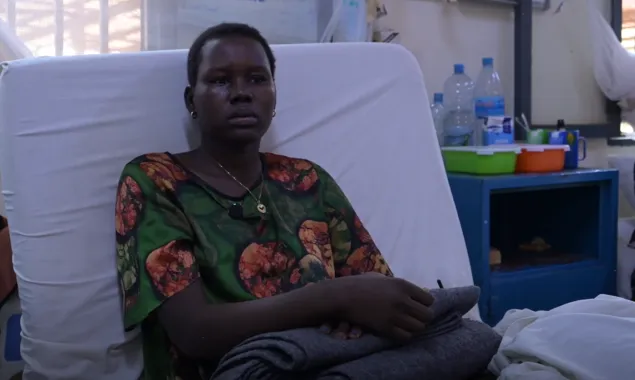
Another patient at Juba Military Hospital, Aluel Malong recalls, "I was shot and thereafter I was referred to hospital, I was in a very bad condition. I was taken to Yirol town where a doctor tried to handle my case but it was too complicated. A plane was sent to pick me and bring me to this hospital. I have received treatment here and my body has become better."
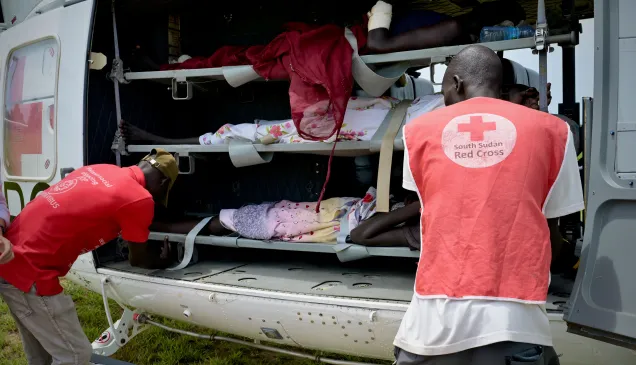
Nearly 400 patients received surgical care this year because the ICRC was able to transfer them by air from remote areas to hospitals.
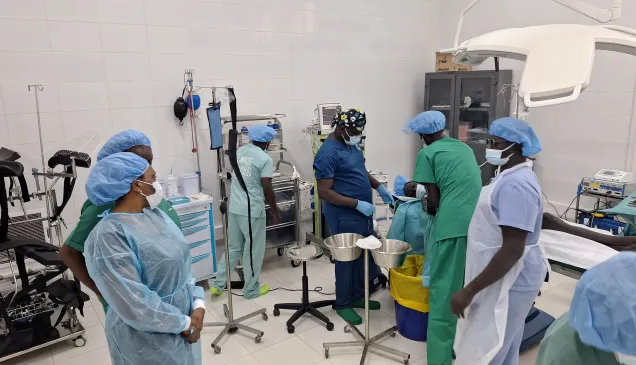
This year has been particularly challenging for the medical team. Surgeons treat patients with serious leg, pelvis or chest injuries every day. These injuries require intensive treatment and, in some cases, multiple operations.
The basic principle is to save lives. To save the limb. But as soon as life and limb have been saved, we broaden our perspective.
Over the past eight years, ICRC surgical teams have performed over 25,000 surgeries on about 5,000 people wounded by weapons. For most patients, surgery is only one step of a long and difficult recovery.
In 2025, more than 3,700 people received physical rehabilitation treatment at ICRC-supported centres in Juba, Wau and Rumbek, up from 3,300 patients last year and the highest figure in a decade. The centres provide prosthetic limbs, crutches, wheelchairs and physiotherapy to help patients regain mobility and independence.
For Oluwafifunmi Odunowo, ICRC’s physical rehabilitation manager in South Sudan, the increase is the result of multiple factors, including the spillover effect of the conflict in neighbouring Sudan:
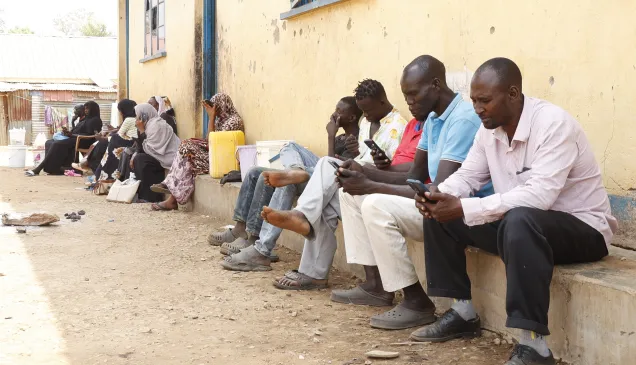
We've seen a growth in the numbers of persons from Sudan, either refugees or returnees from Sudan coming to access physical rehabilitation services. Globally, this year compared to last year, it's about 40% increase.
The combined effects of conflict in South Sudan and Sudan, intercommunal violence and severe flooding throughout the year have devastated communities and exacerbated one of the world's most protracted humanitarian crises.
Read more about our work in South Sudan
- “The Man from Egypt”: Why I left the comfort of the operating room to work in conflict zones
- South Sudan: Over 445,000 people displaced by armed conflict as funding dries up
- Distribution of food and essential household items to South Sudanese returnees in Gok Machar
- South Sudan: January to June 2025 Facts & Figures
- Frequently asked questions: ICRC’s work in South Sudan