From long queues to enough for everyone: What reliable water access means for displaced families in Gwoza and Biu

In communities affected and displaced by conflict in Gwoza and Biu, northeast Nigeria, access to water once defined the rhythm of survival, dictating how each day would unfold.
Mornings began with long queues at a single well or tap, and people often walked home with containers half empty. Every litre had to be rationed: drinking and cooking came first, while washing clothes, cleaning the home and bathing children had to wait. Hours that could have been spent going to school, farming or earning an income went into fetching water instead.
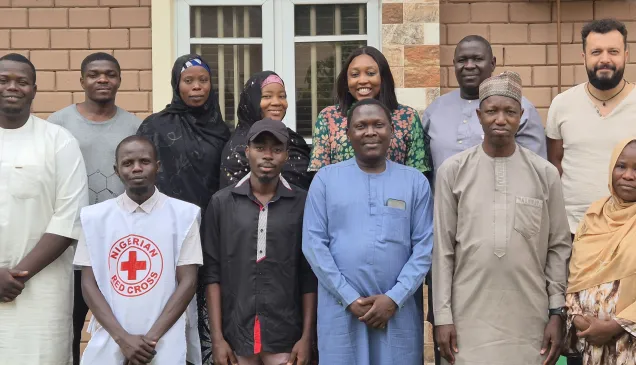
To ease this pressure, the ICRC, with support from the Nigerian Red Cross Society, has installed new boreholes and rehabilitated existing water points in camps for displaced people and in host communities in both areas. With water now available close to home, families spend less time queuing and walking, children get to school on time, and there is enough water to keep hands, homes and latrines clean.
Residents describe what this change means to them.
Time Gained
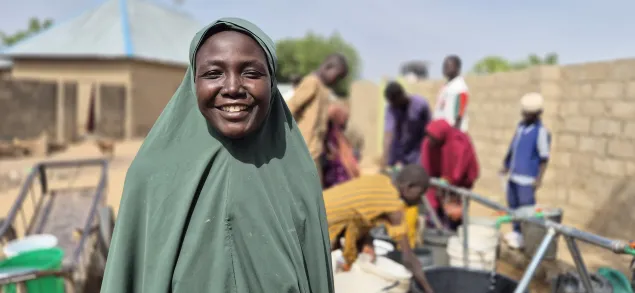
Hauwa Adamu at a rehabilitated water point in her community - Gavizga
Previously, water was never enough. We waited for hours at the well and sometimes returned home with almost nothing, says Hauwa, a mother of seven.
Families queued for long hours under the sun, collecting small amounts of water, barely enough for drinking and cooking.
The queues cost more than time. Hours spent waiting for water meant hours taken away from other responsibilities. Children often arrived late to school or missed classes altogether. Parents postponed cooking, caring for family members, tending small businesses, or working on their farms. Daily life revolved around securing water.
Today, with the installation of a new borehole located within the community, families spend less time searching for water and more time on activities that support their wellbeing and livelihoods.
Life is easier now. There is enough water for our families, and the long queues have disappeared, Hauwa says with relief.
For Hauwa and many others, access to water has given them back something invaluable: time to care for their families, earn an income, and plan for the future.
Safety Uncompromised
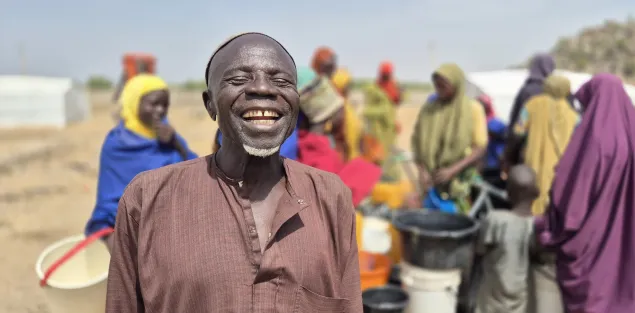
Buba Zadvab, 64, living in an internally displaced persons camp in Gwoza, expresses joy at the rehabilitated water point
The struggle is no more — Buba’s Relief
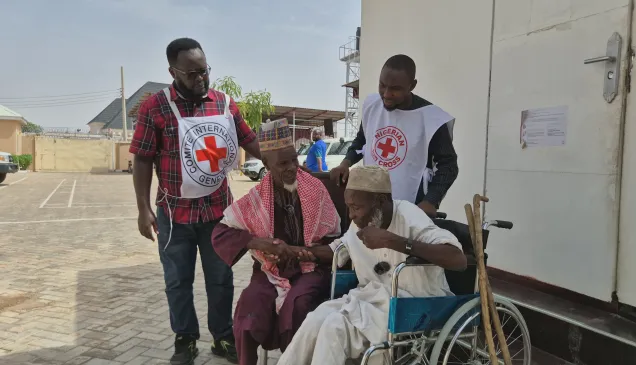
At 64, Buba Zadva never imagined he would be starting over in an internally displaced persons camp after fleeing his village because of violence. In the early days of displacement, survival meant leaving the camp in search of water.
For many residents, especially women, children, older people, and people with disabilities, these journeys carried significant risks. Long walks under the scorching sun exposed them to exhaustion and dehydration. Travelling outside the camp also meant navigating uncertain routes and unfamiliar surroundings while carrying heavy containers of water.
The physical strain was particularly difficult for older residents like Buba.
The struggle is no more. We now get water right here for our families, even our livestock have enough, Buba says.
Today, access to water within the camp means families no longer have to make difficult journeys to meet a basic need. The change has brought greater safety, convenience, and peace of mind.
Priorities Met
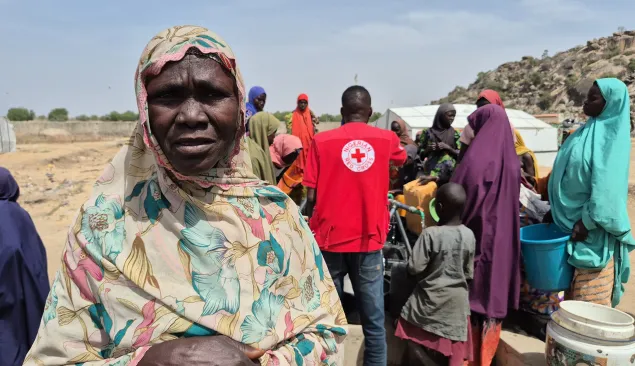
Aisha Gaji, a mother of seven living in an IDP camp in Gwoza, northeast Nigeria, after conflict forced her family from their village, happy to have clean water at the camp.
Aisha recalled how each morning began with the same difficult choices: how to use water on a specific day - for cooking or cleaning the house - what to postpone, and how to stretch the limited supply. Hundreds of families depend on limited water sources, increasing the risk of disease and tension within the camp.
We now have clean water for everyone, we now have clean water for our children, Aisha says, her hope restored.
Hygiene Restored
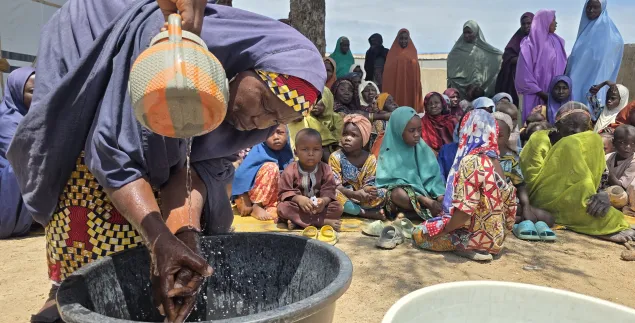
Sanitation activity in BIU Camp
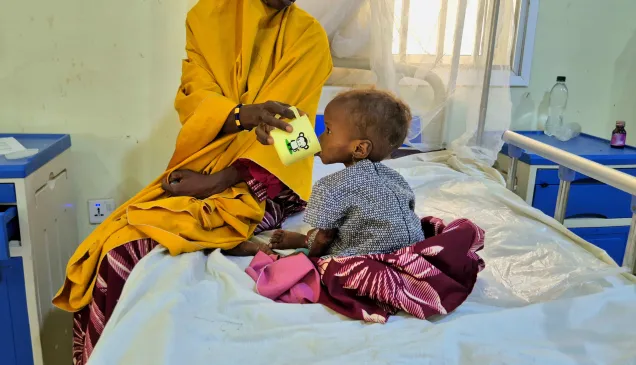
In Biu displaced persons camp, the shortage of water reached far beyond thirst. Without enough water to wash hands, clean utensils, or maintain latrines, illness spread quickly through crowded shelters, and children were often the first to fall sick.
Long queues at the camp's only tap forced families to ration what little they had, choosing drinking water over washing. Waste accumulated around shelters, and with it, the risk of disease grew with each passing day.
Everything changed after a new borehole was installed within the camp.
Now we wash our hands all the time, Ummi, a mother of three, says.
We clean the latrines, wash our plates, and keep the camp tidy.
Since the borehole began operating, health workers have reported fewer cases of diarrhoea and skin infections. Families say they feel more confident going about their daily lives, and with enough water to go round, the camp they now call home is a safer place to live.
Sustainable Future
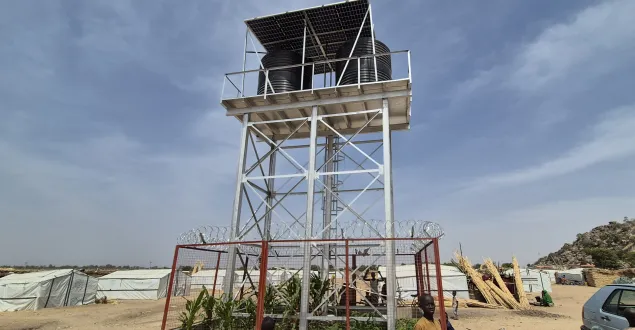
A new borehole installed by the ICRC, supported by the Nigerian Red Cross, in an IDP camp in Gwoza, northeast Nigeria
For many displaced families, reliable access to water is not only improving life today but also helping build a more sustainable future.
In Gwoza, families once focused their energy on meeting immediate needs. With limited water available, maintaining hygiene, caring for livestock, growing vegetables, or pursuing small income-generating activities was difficult.
Now, with consistent access to safe water, households can look beyond daily survival. Families can keep their homes cleaner, support healthier living conditions, and dedicate more time to farming, trading, and other productive activities.
For children, reliable water access means fewer disruptions to education and a healthier environment in which to learn and grow. For parents, it creates opportunities to invest time in rebuilding livelihoods and supporting their communities.
What begins as access to a basic service can create lasting change. Safe water strengthens resilience, supports recovery, and helps communities move from coping with crisis toward building a more stable future.