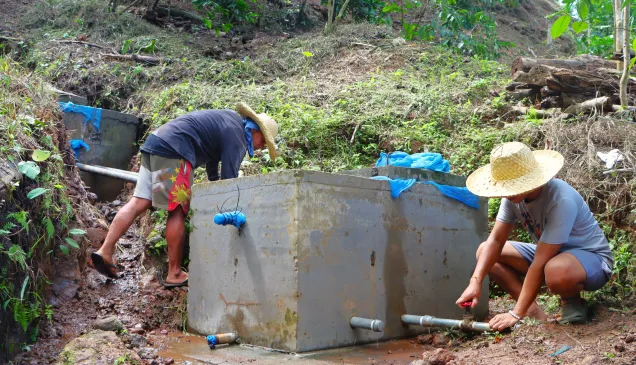
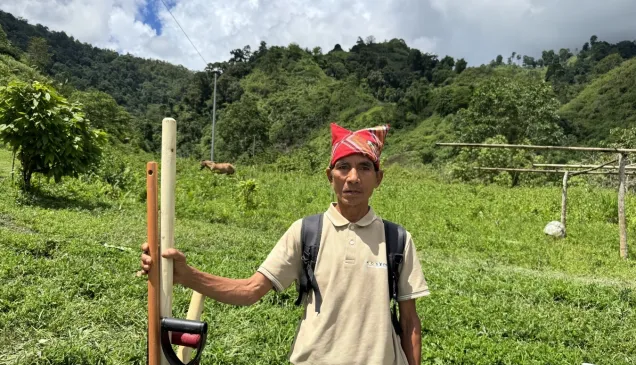
In the Philippines, sporadic clashes still occur, although hostilities have generally decreased in Mindanao. As a result, remote communities are displaced or cut off from their farms and other sources of livelihoods. They lose access to reliable and safe water and sanitary facilities, as well as other essential services due to their displacement.
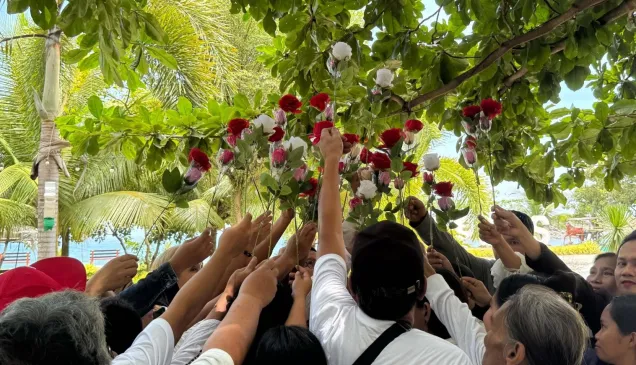
But even when fighting has ended, such as in the 2017 Marawi conflict, humanitarian consequences linger. Around 300 families are still searching for their missing relatives and struggling with systemic socioeconomic challenges.
Meanwhile, the country’s jails and prisons remain overcrowded despite the authorities’ efforts to improve conditions of detention and vulnerability to natural hazards. Prisoners are often losing contact with loved ones.
The situation in the Philippines demonstrates that even when fighting becomes intermittent, it still leaves a significant impact on vulnerable communities.
The International Committee of the Red Cross (ICRC) remains committed to its humanitarian mission in the Philippines, where we have been present since World War II. Although the response capacities of aid organizations globally are shrinking, we strive to deliver on our mandate by urging all sides to abide by international humanitarian law (IHL) or the rules of war. We also advocate for the humane treatment of detainees.