Families of the missing meet: Separated by continents, bound by suffering

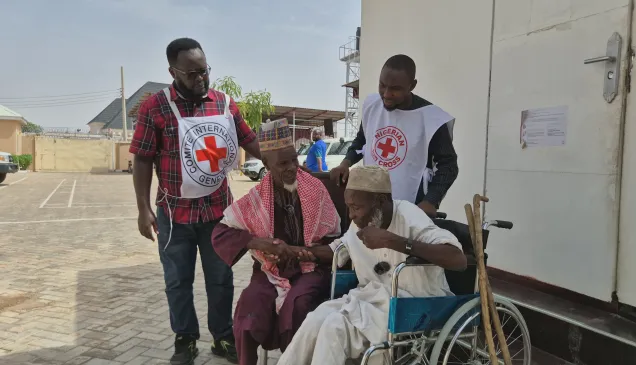
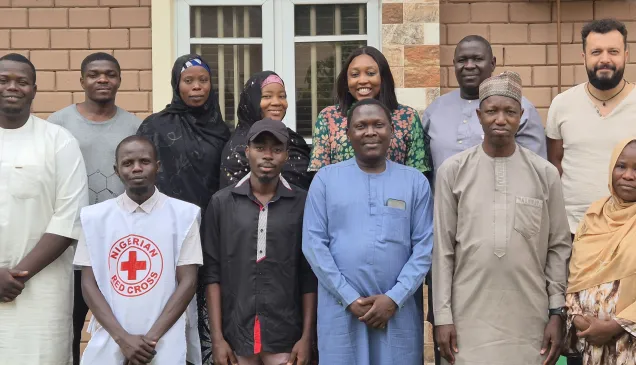
The ICRC delegation in Nigeria recently hosted over 150 families of missing persons at three hubs in Northeast Nigeria including Damaturu, Maiduguri and Mubi, for the fourth edition of the International Conference for Families of Missing persons (FoM) among 900 participants across 50 hubs worldwide.
Organized by the ICRC’s Central Tracing Agency in collaboration with Red Cross and Red Crescent National Societies, the event provided a safe space where families of loved ones gone missing due to conflict, migration and other situations of violence, could share the common burden of the pain and anguish of not knowing the fate of their missing family members, and the ongoing struggle to find healing.
Sadiya Abubakar, like many of the participants at the conference, is not unfamiliar with the void that a missing family member leaves behind. As the Vice Chairperson of the family Association in Yola, Adamawa state, and as a parent who has searched for her son for over ten years, she is privy to the emotional, mental, physical, economic and even legal ramifications embroiled in the process of finding a loved one
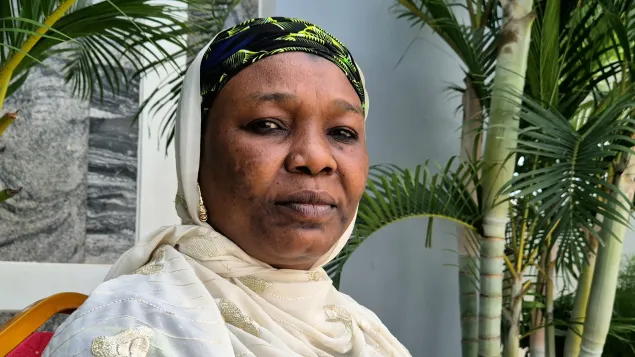
Sadiya Abubakar, the Vice Chairperson of the family Association in Yola, Adamawa state
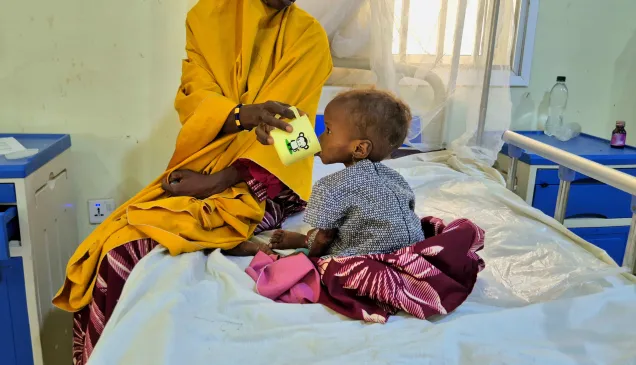
The issue of missing persons in Nigeria is deeply complex, made worse by the absence of a means to amplify the voices of families heavily impacted by unresolved absence. Since 2014, when armed conflict in the northeast escalated, the ICRC in Nigeria has recorded around 24,000 missing persons, the highest caseload in Africa, and 14,468 families are reportedly seeking to clarify the fate of their loved ones.
A common trait of suffering is the notion that it is an isolated experience, not shared or understood by many. This sentiment was expressed by Ali Idriss in Damaturu who has been searching for his brother for over eight years after he disappeared at the age of 19.
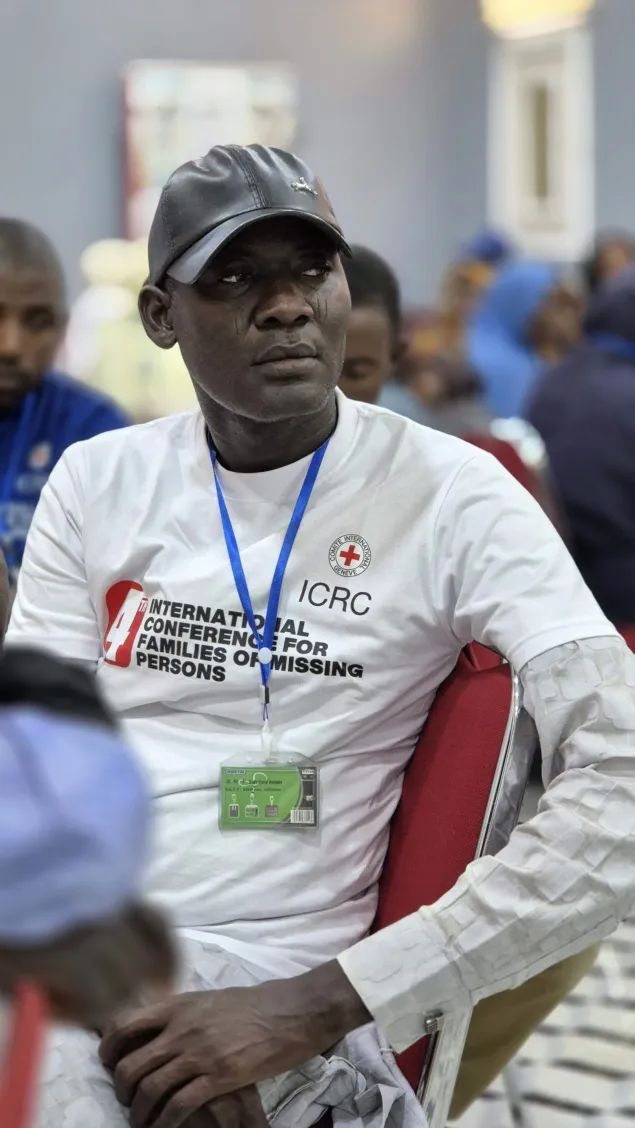
Ali Idriss, family member of the missing.
Ali Idriss has been searching for his brother for over eight years after he disappeared at the age of 19.
Habiba states that sharing the story of her father’s brokenness two years after his death with other families at the conference has given her a sense of renewed hope and strength.
The ICRC has constantly advocated for the issue of the missing to gain more visibility in the public space and for safe spaces that support the collective concerns of families of missing persons. In Nigeria, the accompaniment program is one such ICRC-driven intervention that supports families of missing persons by providing psychosocial support, legal guidance, and economic assistance, such as helping them restart livelihoods. These programs also aim to create community for families and increase their access to information, rights, and services.
Speaking about the uncertainty about how to drive action for the family association in Maiduguri, Aisha Alhaji Kaura in Maiduguri, expressed amazement at the fact that the authorities in some countries recognize and support families in their search for their missing relatives. Aisha has been searching for her husband and expressed the hope that Nigeria would follow suite.
The participants also shared heart-wrenching stories of the emotional anguish that absence and uncertainty related to missing relatives brought on family members left behind. Habiba narrates how her father called out her brother’s name when he was on the verge of dying. Haruna had gone missing ten years prior to her father’s death.
The conference ended with a global call by families of the missing to the media, human rights organisations and civil society groups to amplify the cause of the missing and support families of missing persons. The event underscored the fact that while conflicts may differ in their intensity, the impact remains the same across continent, country, and race and will require concerted efforts by governments and individuals to provide closure and clarification.