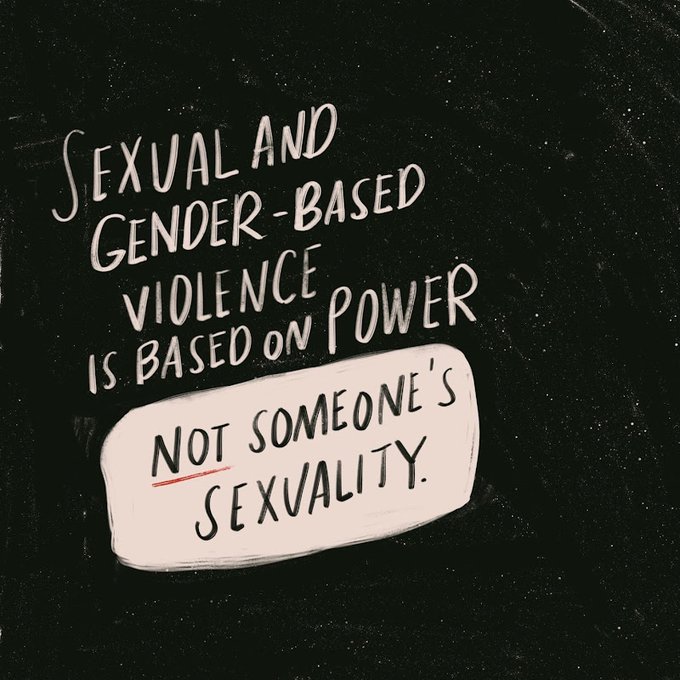
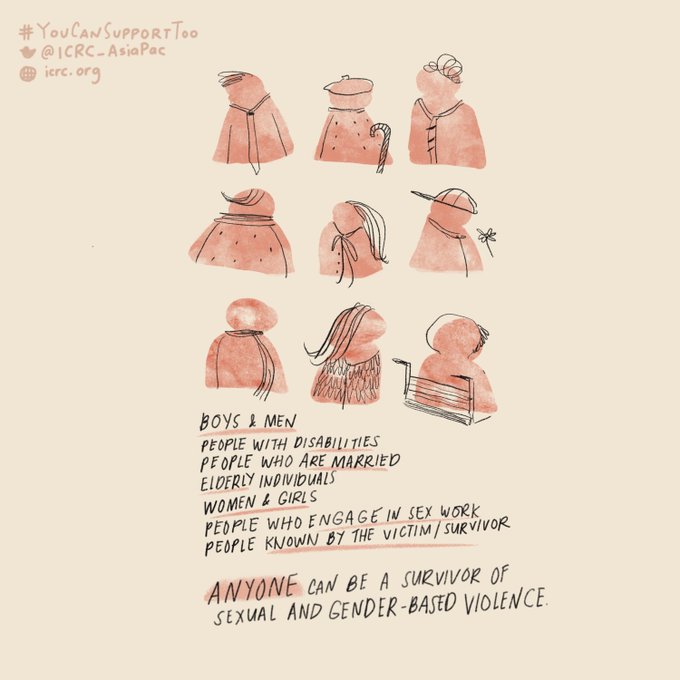
Unfortunately, it remains widespread and prevalent during armed conflicts and other situations of violence, as well as in detention. It occurs in various contexts and has serious humanitarian consequences. As the world marks the International Day for the Elimination of Sexual Violence in Conflict on 19 June, we reflect on five things to know about sexual violence in conflict zones.
1. Sexual violence is a war crime
Rape and other forms of sexual violence are prohibited under international humanitarian law (IHL) in international and non-international armed conflict.
As a serious violation of IHL, sexual violence constitutes a war crime.The Statute of the International Criminal Court includes rape and some other forms of sexual violence in the list of war crimes and in the list of acts that constitute crimes against humanity when committed as part of a widespread or systematic attack directed against any civilian population.
Rape and other forms of sexual violence may also constitute other international crimes when committed under specific circumstances, for instance the crime of torture or a constitutive act of genocide.