Approximately 136,000 people, representing around 17,000 households in the districts of Kamdesh and Barg-e-Matal, have faced severe shortages of food, health care and basic household items for the past two months due to insecurity and restricted access.
Since early April, the ICRC, ARCS and UN agencies have engaged in sustained dialogue with all parties to the armed conflict to establish conditions for neutral and impartial humanitarian actors to have safe and unimpeded access to communities in Kamdesh and Barg-e-Matal districts.
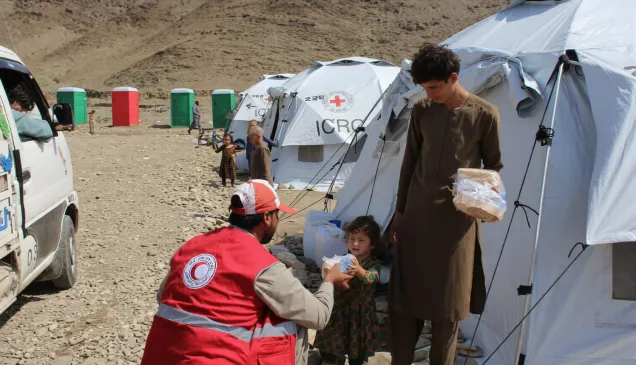
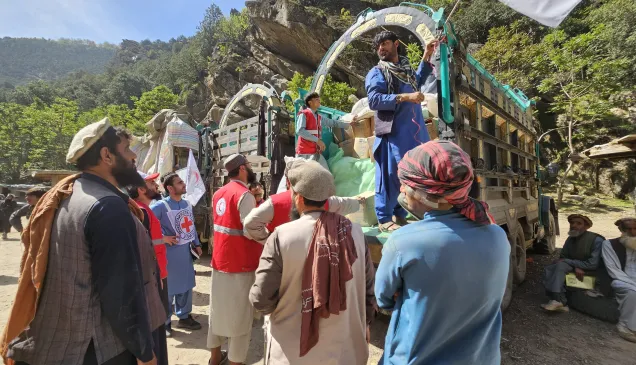
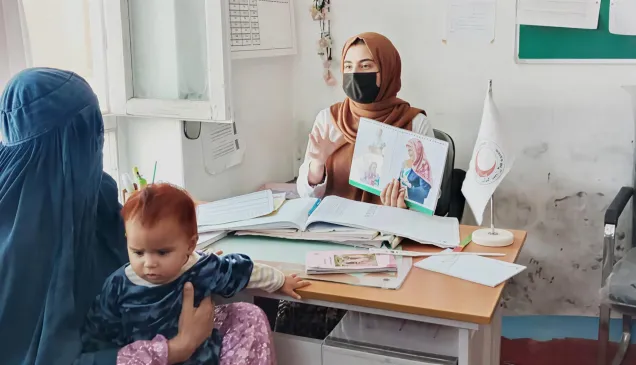
Following discussions, the humanitarian actors have now commenced the delivery of vital assistance to affected communities. Initial response activities prioritize the delivery of food, medical supplies and other essential relief items. At the same time, due to the opening of the road to Nuristan Province, markets are also gradually starting to be replenished and medical evacuations are again taking place.
In parallel, the ICRC, ARCS, and UN agencies continue to engage closely with community representatives to ensure that the assistance is aligned with the most urgent needs on the ground. Early assessments indicate that needs remain significant, particularly in the areas of food security, health care and essential services.
The humanitarian organizations involved reiterate their commitment to operating in accordance with the principles of neutrality, independence and impartiality, and call for continued support from all parties to facilitate safe, unimpeded and sustained access to vulnerable communities.
For more information, please contact:
- Parwiz Ahmad Faizi, ICRC Kabul, +93729110672, pfaizi@icrc.org
- Fatima Sator, ICRC Geneva, tel: +41 79 731 10 68, fsator@icrc.org