Afghanistan: Supporting women and girls to thrive despite challenges
For a woman in Afghanistan, a regular check-up during pregnancy, enough nutritious food for her children, or a way to earn her own income can change the course of her family's life. When women are healthy and able to provide, their families and communities are stronger for it.
The International Committee of the Red Cross (ICRC) works alongside women and mothers across the country in many ways. These include monthly cash support for pregnant and breastfeeding women, free healthcare at community clinics, and training and loans that help women with disabilities build a livelihood. These are some of the women at the heart of that work.
Supporting mothers through pregnancy and breastfeeding
Pregnancy and breastfeeding are critical periods when good nutrition can protect the health of mothers and their babies. To support women during these stages, the ICRC and the Afghan Red Crescent Society (ARCS) jointly implement the food security projects for Pregnant and Lactating Women (PLW), providing eligible women with six months of cash assistance and nutrition awareness sessions.
Launched in Kandahar in 2023, the project expanded to Mazar-e-Sharif in 2024 and Paktika in 2025. In 2026, it reached 1,400 women across four provinces, Balkh (400), Kandahar (400), Parwan (200) and Khost (400).
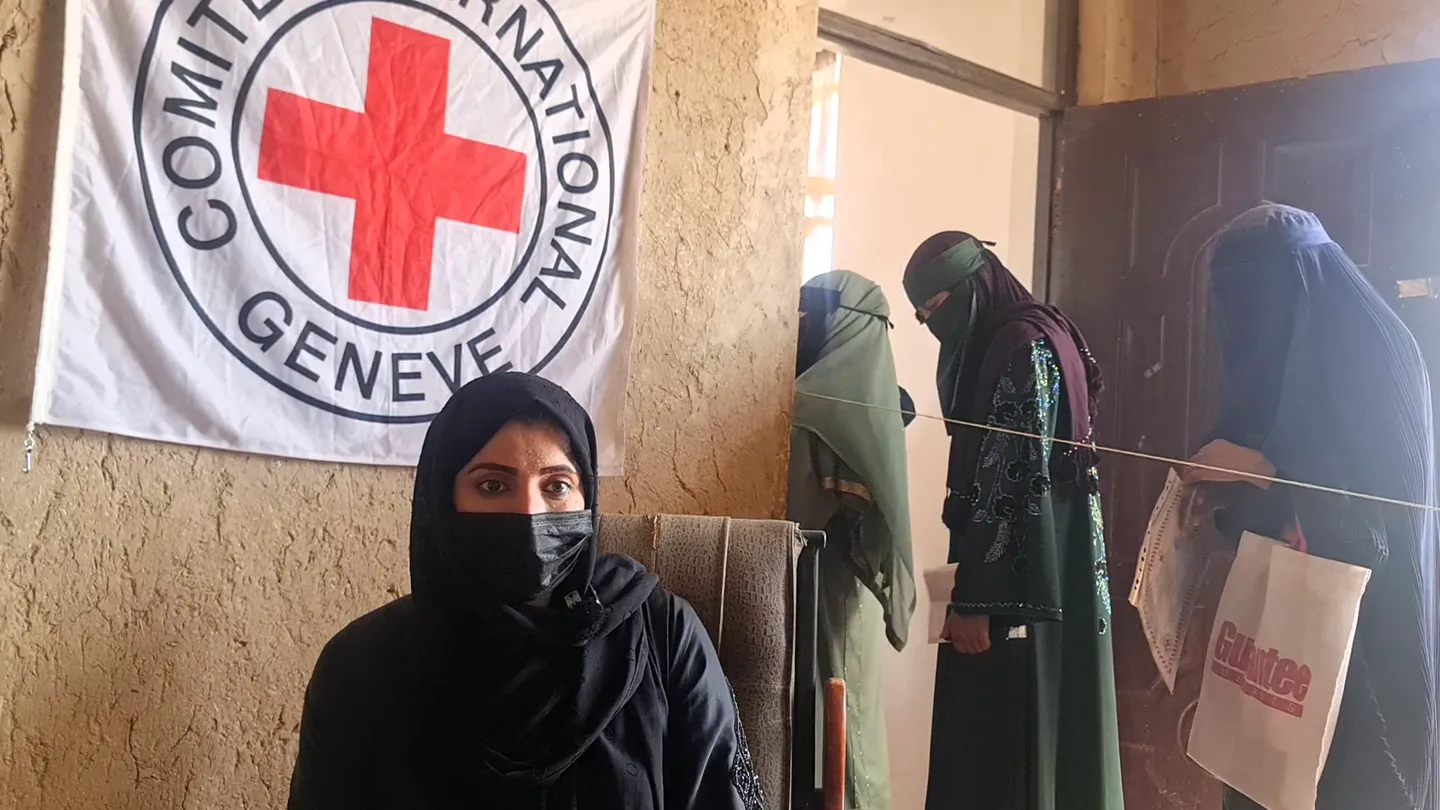
Saifoora at a PLW cash distribution site in Mazar-e-Sharif.
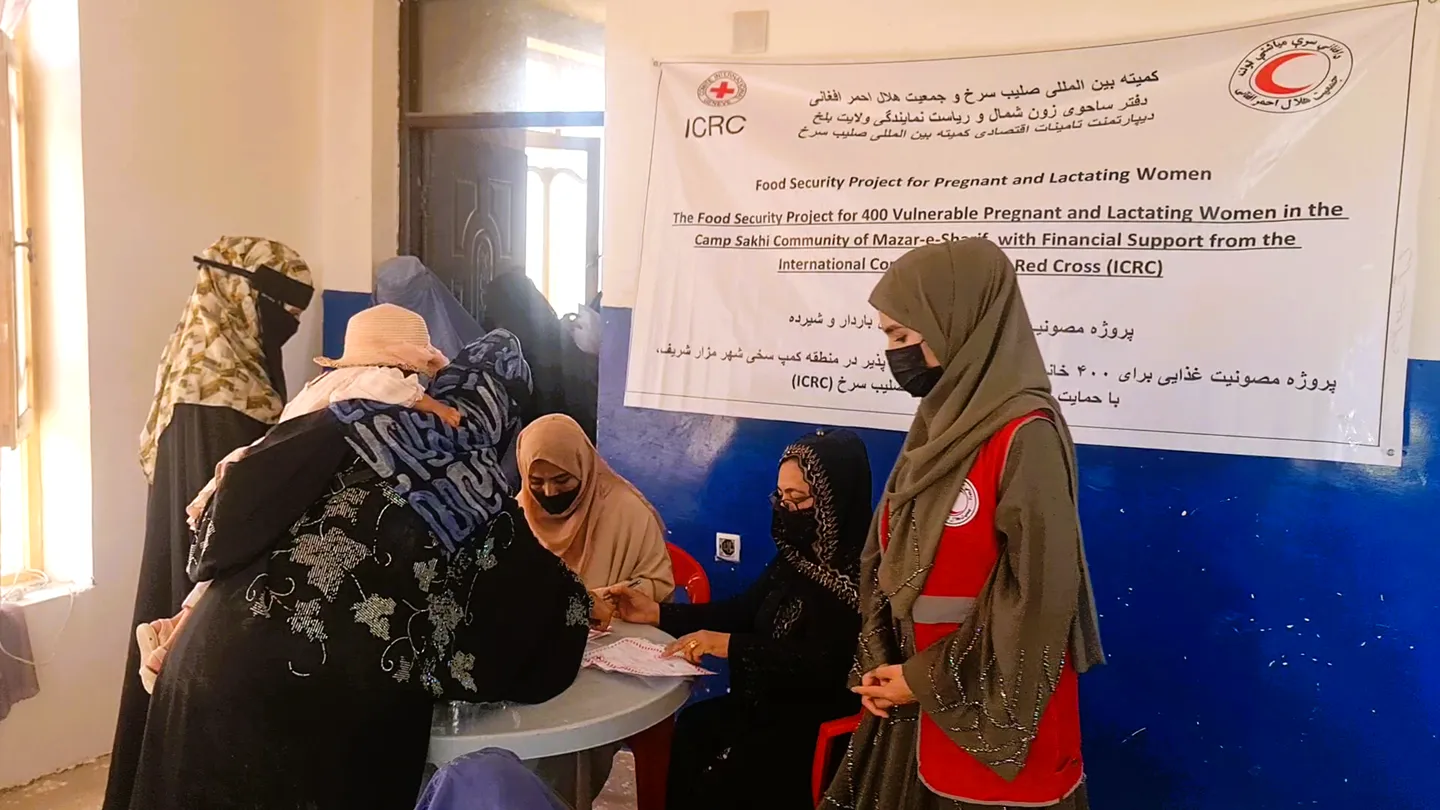
Mobina, standing on the right, is assisting the cash distribution process.
Mobina Habibzada, ARCS focal point in Mazar-e-Sharif, explains that women who receive help are selected based on specific criteria, particularly cases where mothers and babies are affected by malnutrition. They receive monthly cash assistance to purchase nutritious food.
“Our main objective is to improve food security and help prevent malnutrition among mothers and their babies, including during the breastfeeding and post-breastfeeding periods, giving them a healthier start in life,” she says.
Healthcare for women and mothers
Through its support to 47 Afghan Red Crescent Society (ARCS) Basic Healthcare Centers (BHCs), the ICRC helps women across Afghanistan access essential healthcare. Between June 2025 and July 2026, the centers provided over 800,000 outpatient consultations for women, assisted more than 980 deliveries, delivered over 111,000 antenatal care (ANC) and 39,000 postnatal care (PNC) services, and administered over 146,000 tetanus and diphtheria vaccinations.
These services help monitor pregnancies, identify complications, support safe childbirth and recovery, promote breastfeeding and newborn care, and protect mothers and babies against preventable diseases.
“I am pregnant and have five children, so regular check-ups and medicines are very important to me. I visit this clinic every month, even though I live half an hour away, because the doctors take good care of us and provide free medicines,” says Najeeba, 32, from Herat. “I cannot afford private healthcare, so this clinic is a great help to my family. I am very satisfied with the doctors and their services.”
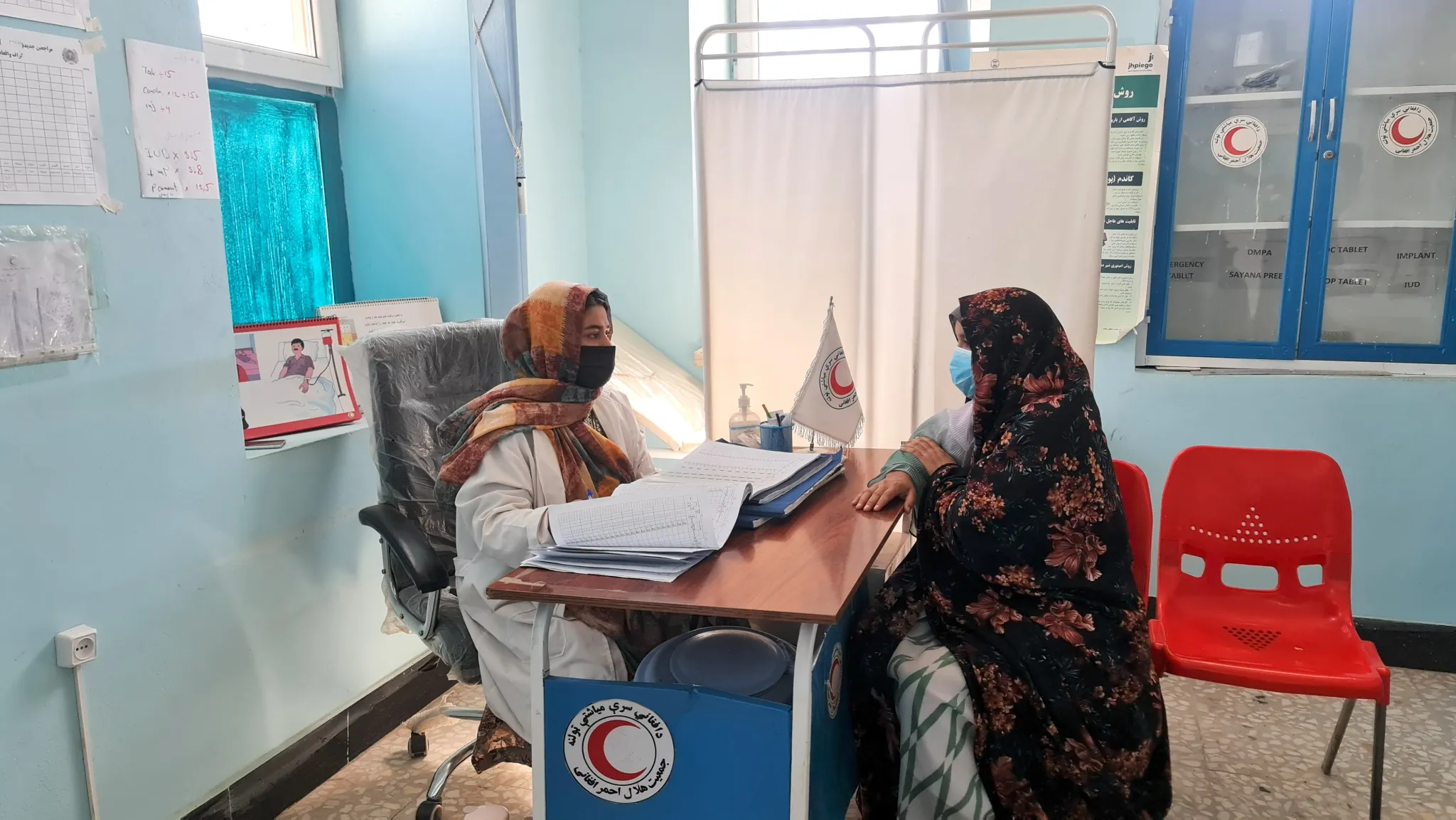
Patient Najeeba with Dr Elham during a health consultation meeting at Abu Bakr Sediq, Basic Healthcare Center in Herat.
For health workers, providing these services is about more than treating illness. It is also about ensuring women receive information, preventive care and timely support during some of the most important stages of their lives.
Dr Elham, at Abu Bakr Sediq Clinic, emphasizes the importance of regular care: “We encourage pregnant women to come for monthly check-ups so we can monitor their health and provide the medicines they need. Tetanus vaccination is also important for protecting mothers and their babies. Through regular check-ups, appropriate medication and vaccination, we aim to support healthier pregnancies and give babies a safer start in life.”
Creating opportunities for women with disabilities
Economic inclusion can help women with disabilities build resilience and participate more fully in their communities. Through vocational training and interest-free micro-credit loans, the ICRC supports women in developing skills, starting small businesses and earning an income.
Between June 2025 and July 2026, 437 women and girls with disabilities benefited from vocational training, while 101 received interest-free loans to start or strengthen small businesses. More than 33,800 women and girls also received physiotherapy, and over 12,600 benefited from prostheses and orthoses to improve mobility and resilience.
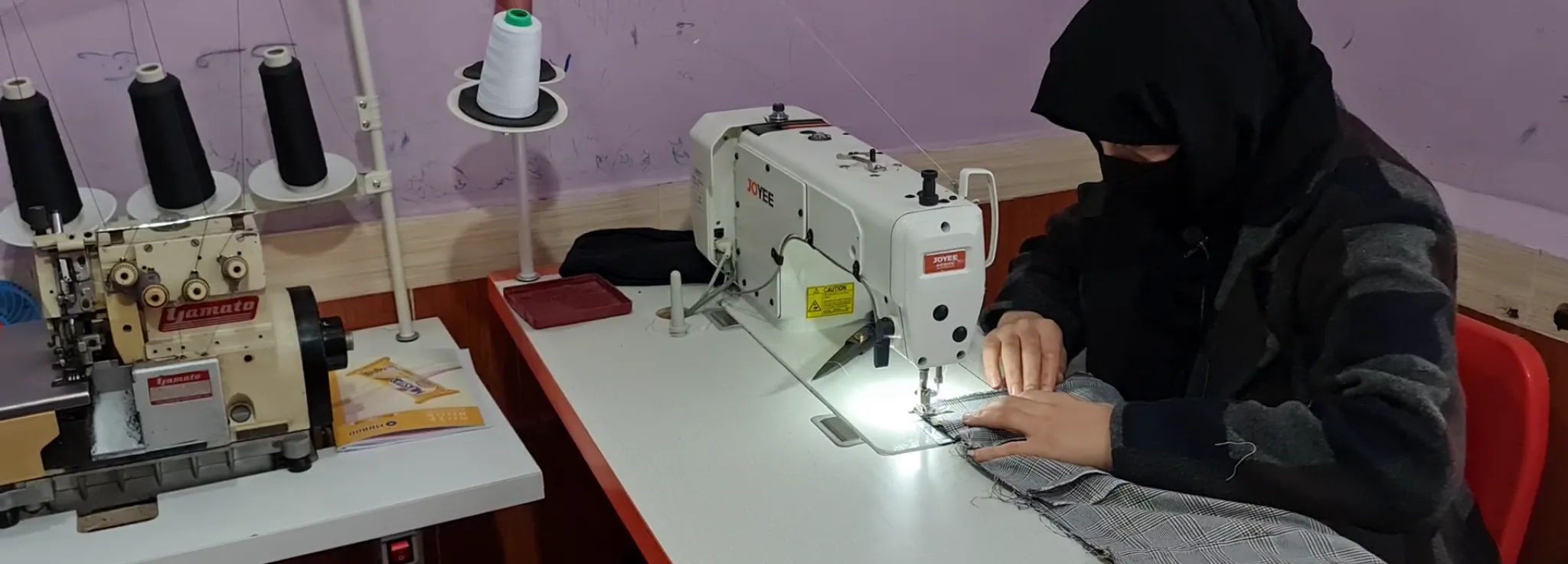
Farzia, 30, a mother of five, lost her leg at 15 after suffering burns from a traditional stove. With ICRC support, she learned tailoring and has run a small business from home for the past two years, making clothes for women in her community.
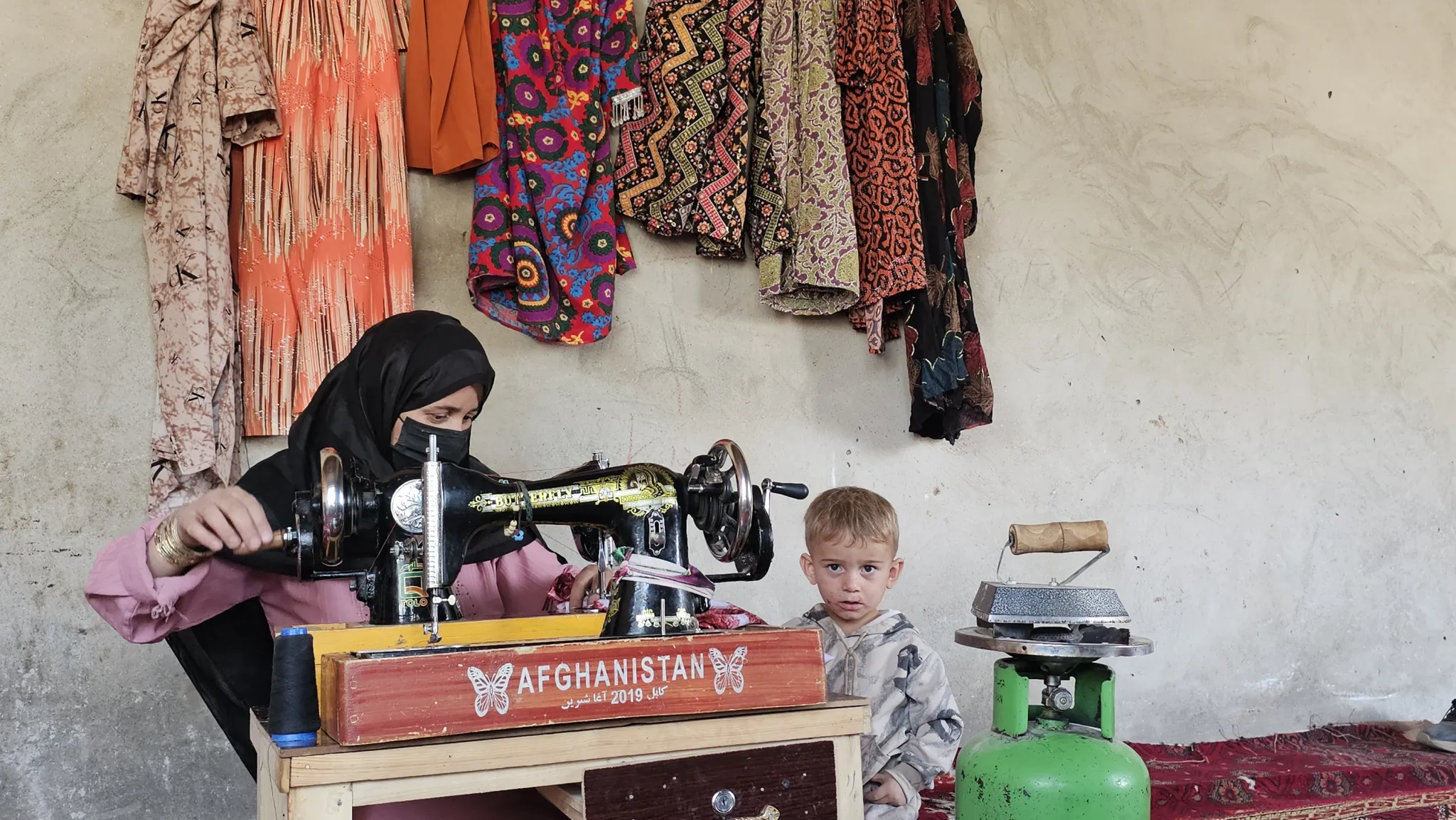
Farzia with her little son while sewing clothes for her customer in Dasht-e-Qoroq in Faizabad city of Badakhshan province.
“The income I earn helps me provide for my children and meet their daily needs. My biggest dream is to see them grow up educated and independent, able to stand on their own feet and build a better future,” she says.
At ICRC’s seven PRCs in Afghanistan, women and girls make up nearly 23 per cent of the workforce, including 154 women with disabilities who play an important role in delivering rehabilitation services and supporting the social inclusion of other women and girls with disabilities.
Beyond the programs, supporting women in different ways
Across Afghanistan, the ICRC supports women facing different challenges. From visiting women detainees in Kabul’s women’s prison to providing multipurpose cash assistance to women breadwinners, this support helps address essential needs and protect dignity. Women doctors and nurses benefit from basic emergency care and first aid training. Through Restoring Family Links, the ICRC helps separated families reconnect, while in partnership with the ARCS, the ICRC equipped around 260,000 women and girls with knowledge to protect themselves and their families from explosive hazards through weapon contamination awareness sessions.
Together, these efforts reflect a broader commitment to helping women stay healthy, safe, connected and better equipped to shape their own future.