The Roots of a Mandate (Before 1986)
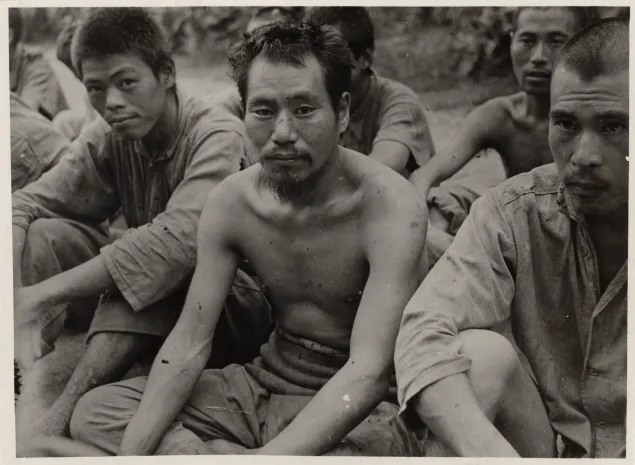
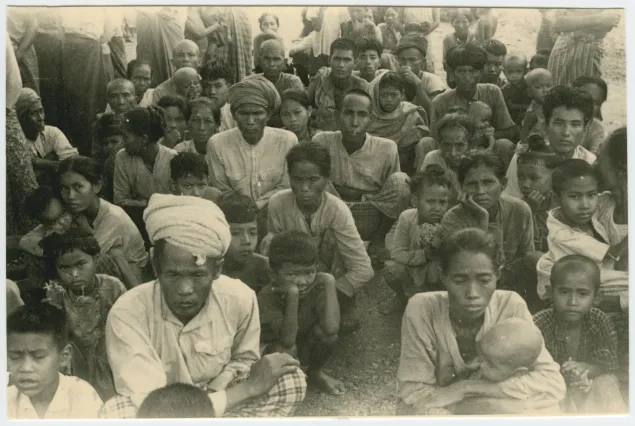
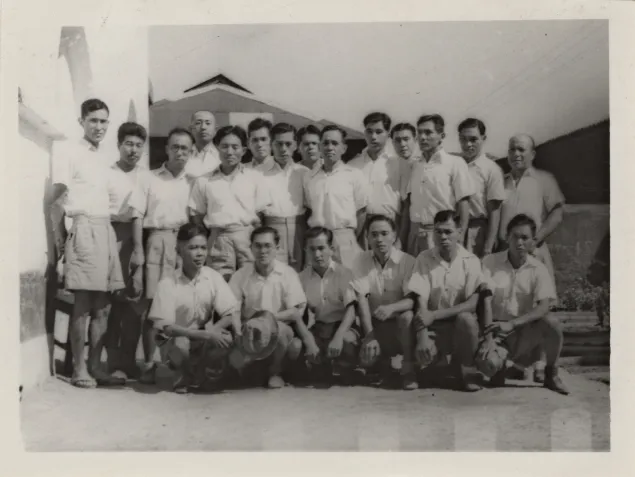
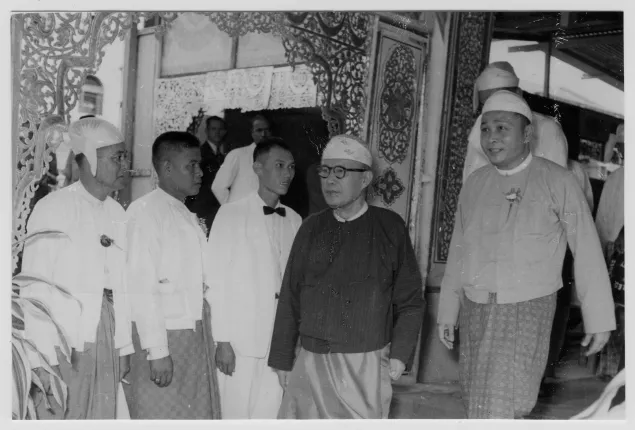
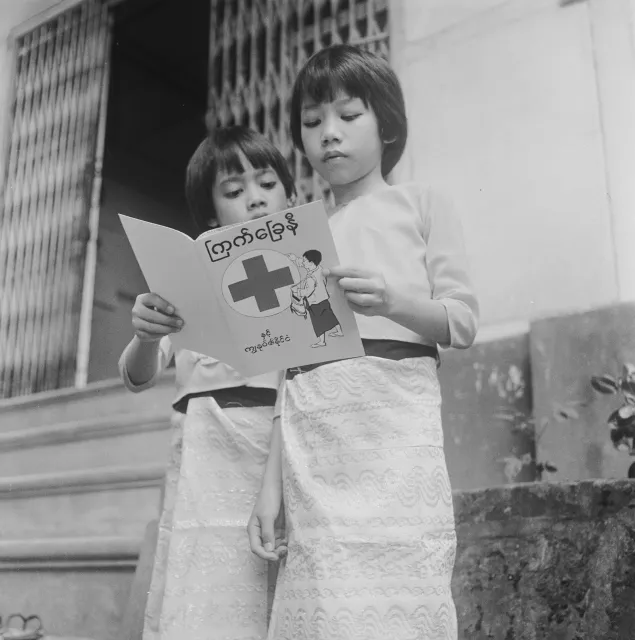
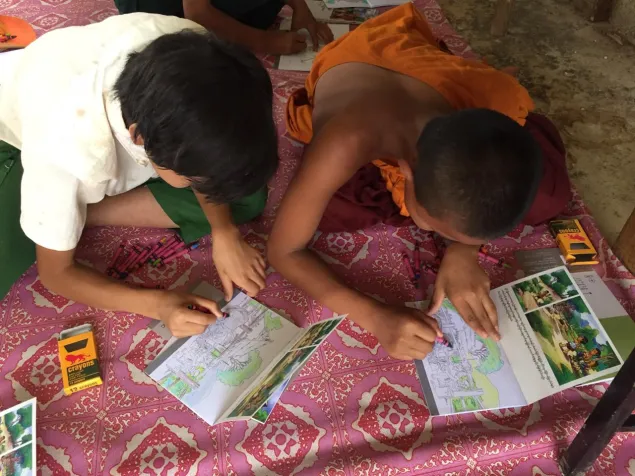
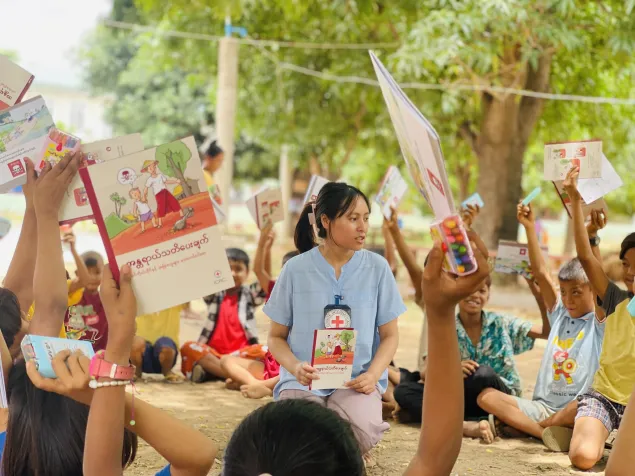
Long before the ICRC established a continuous presence in Myanmar, it had already provided support and assistance to persons affected by armed conflict. The ICRC's first humanitarian intervention in what was then Burma dates back to 1917, when it visited British detention facilities. In 1945, at the end of the Second World War, it visited prisoners of war in Rangoon. In 1949 and 1950, it provided assistance to families who had fled the fighting of the years after independence and gathered in camps around the capital. The relationship with the country’s own Red Cross started when the ICRC recognized the Red Cross of Burma on 20 April 1939, bringing it into the worldwide Red Cross and Red Crescent Movement. By the 1970s, schoolchildren were reading about that Movement, and about the rules that protect people in war, in their own language.
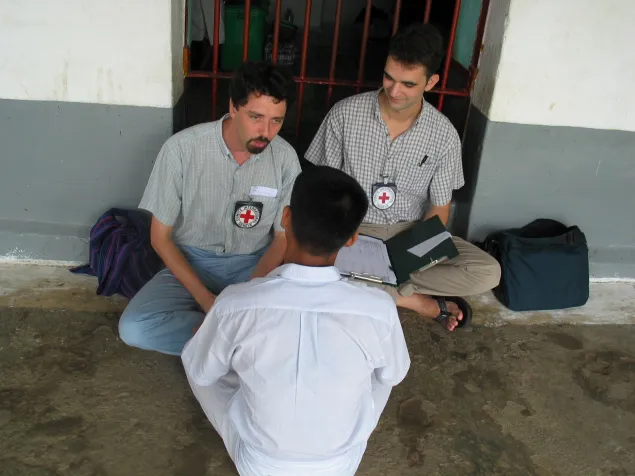
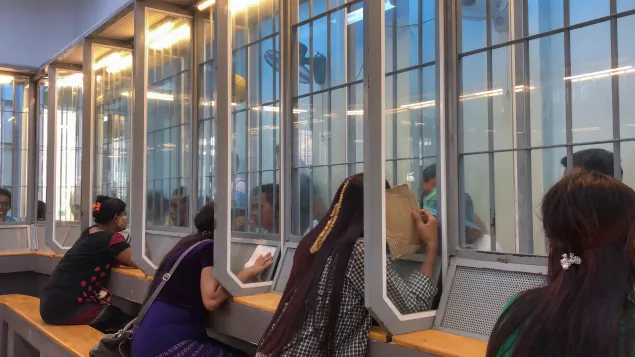
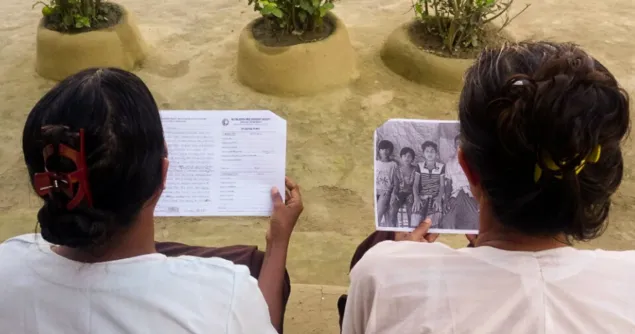
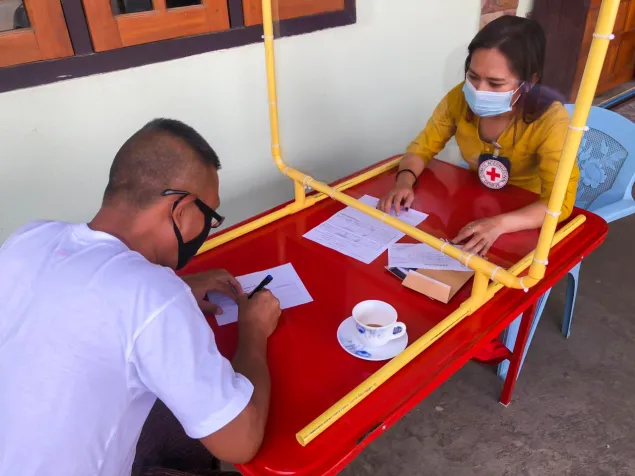
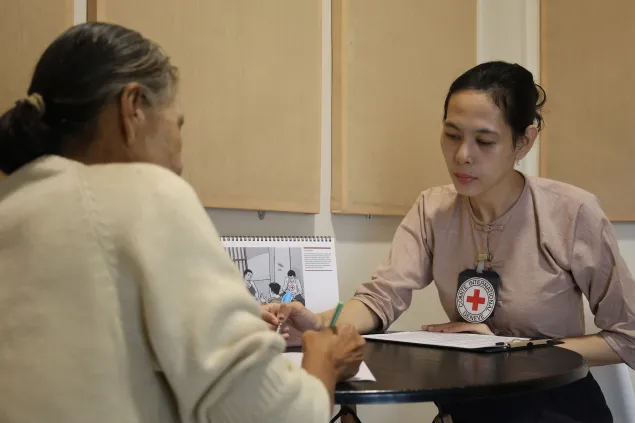
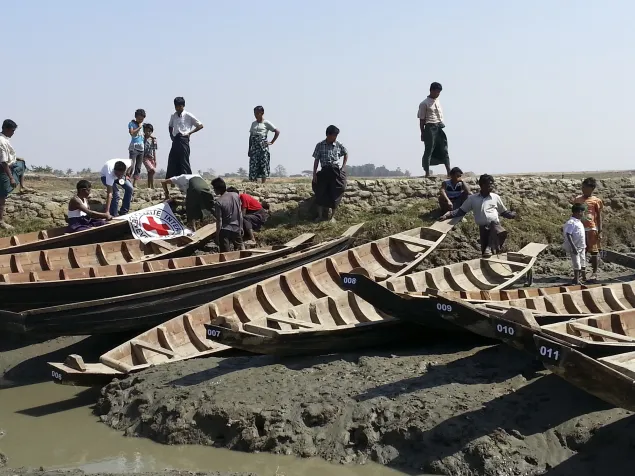
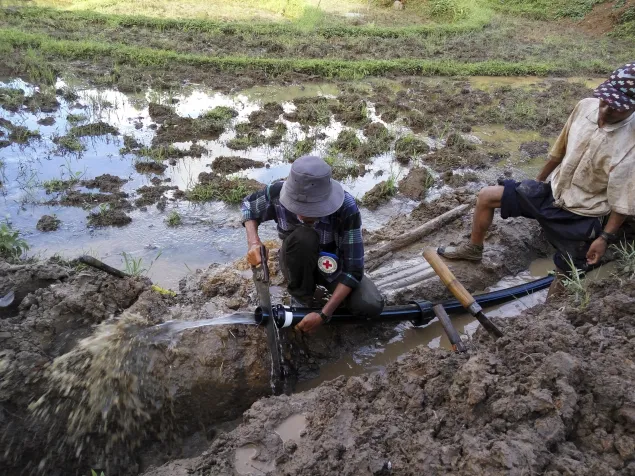
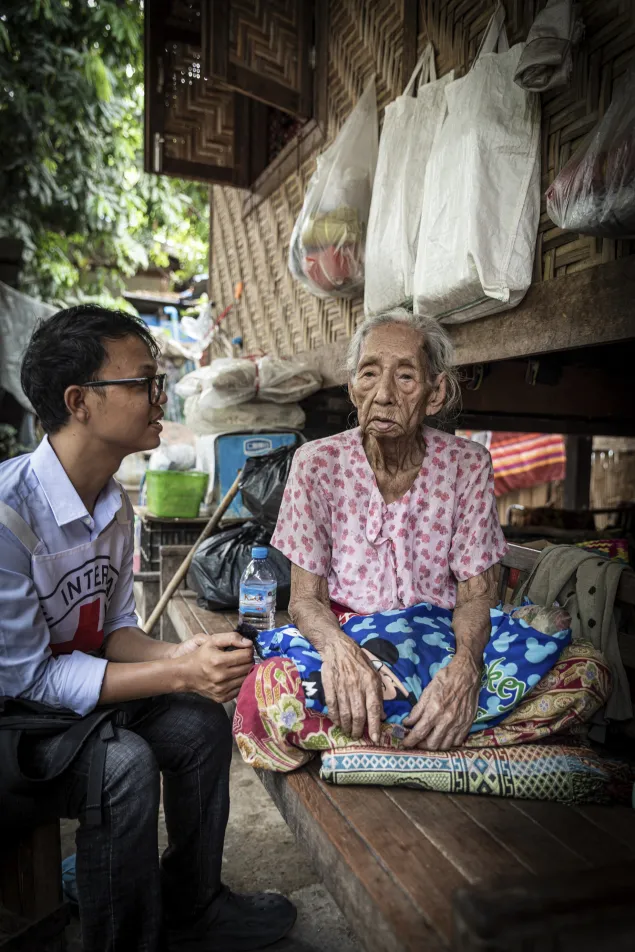
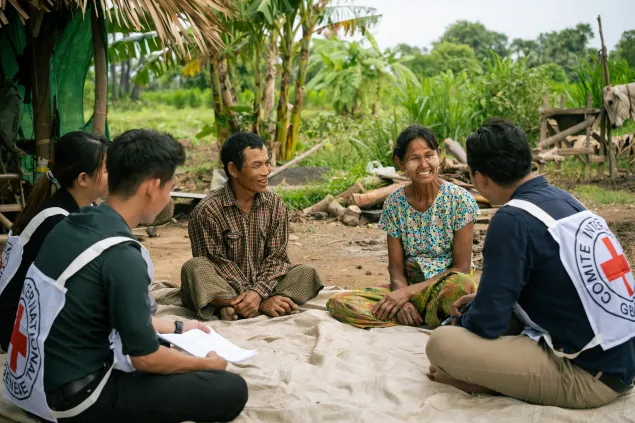
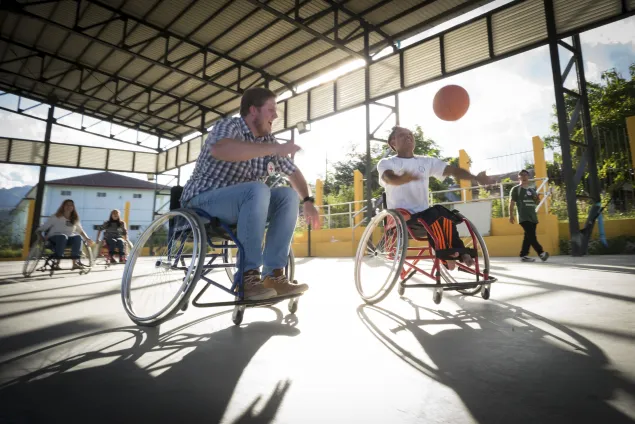
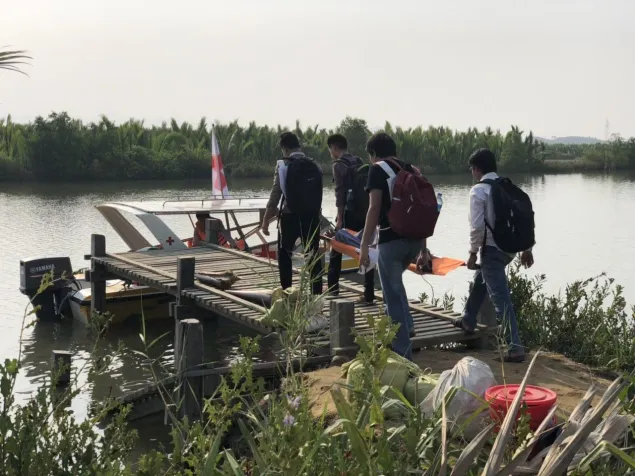
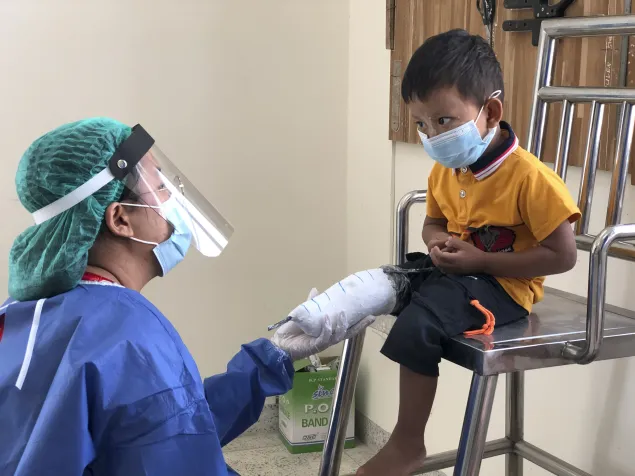
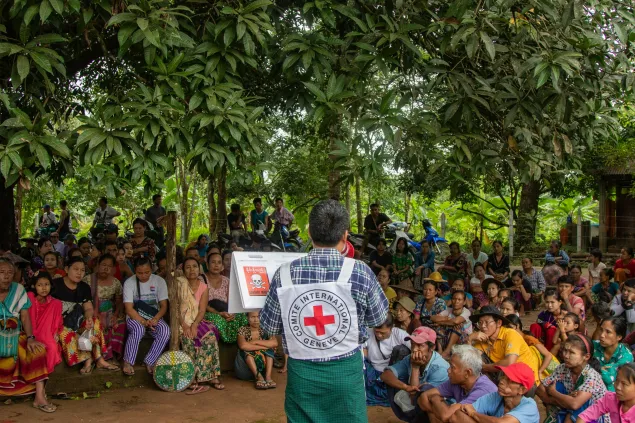
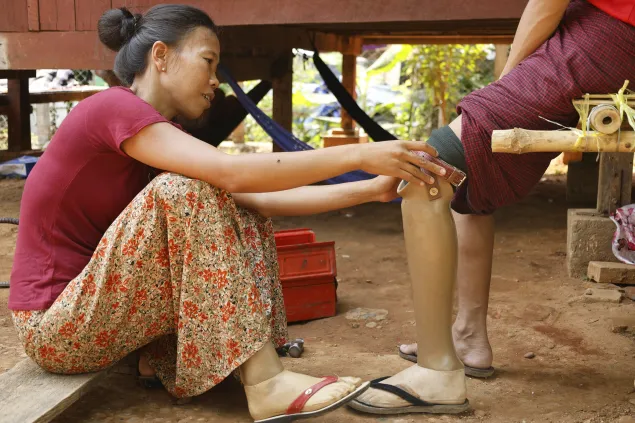
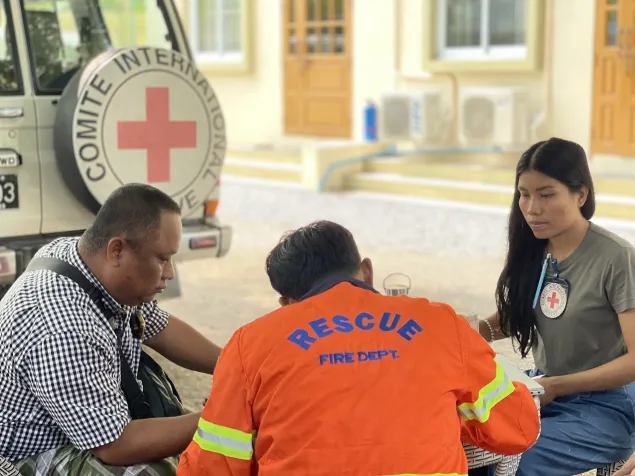
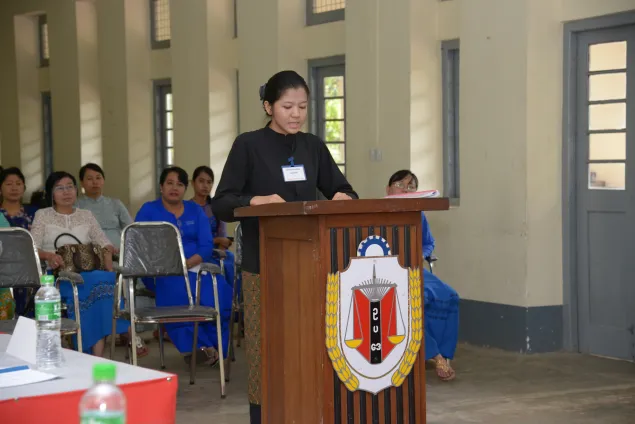
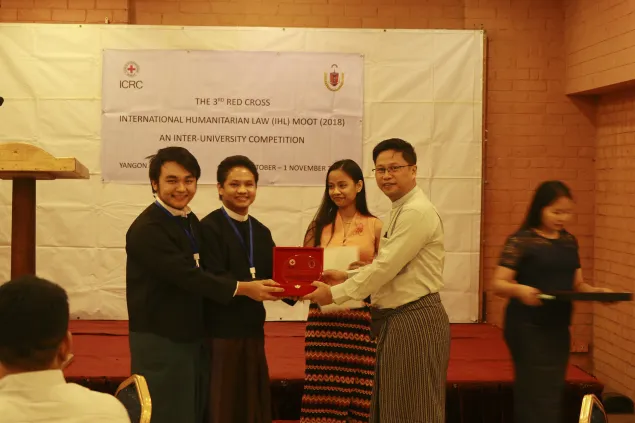
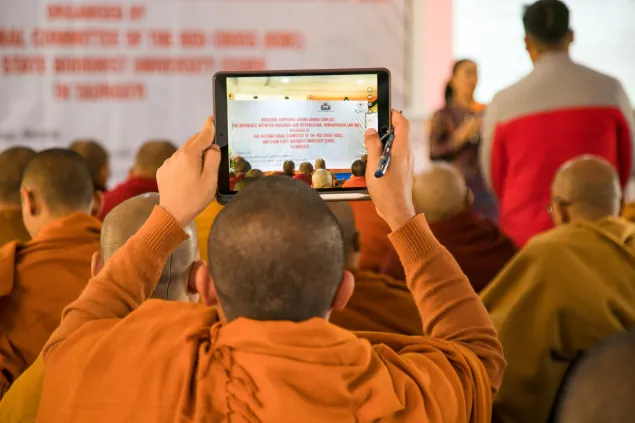
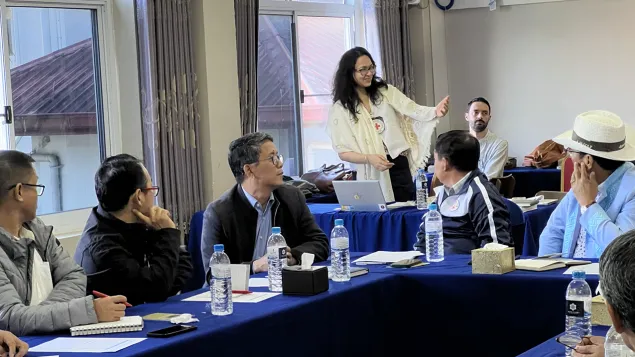
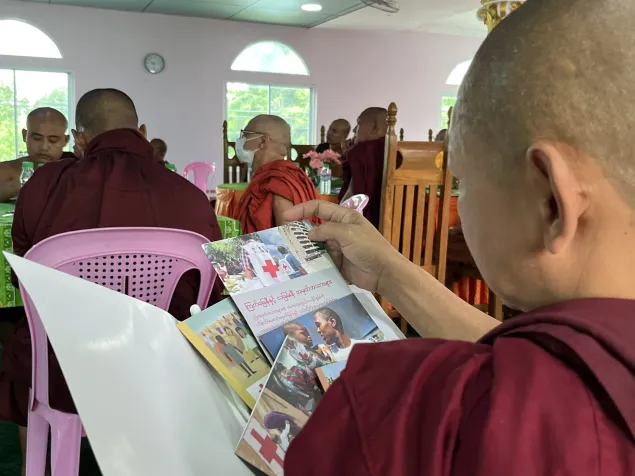
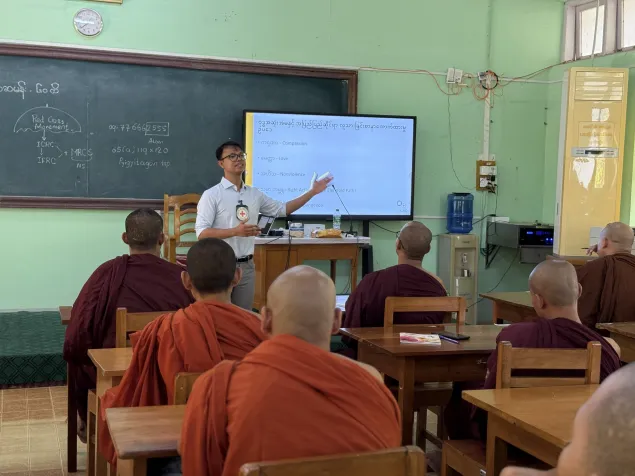
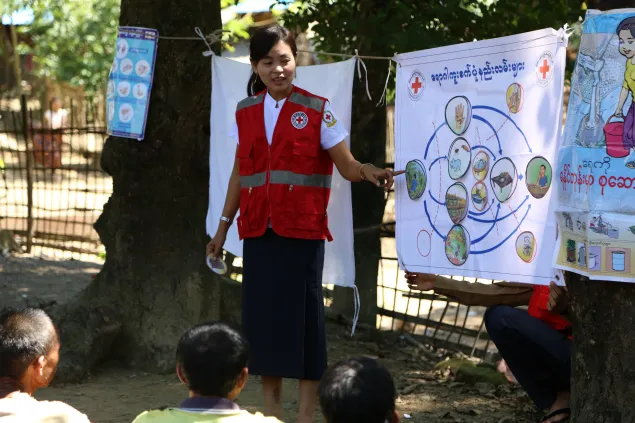
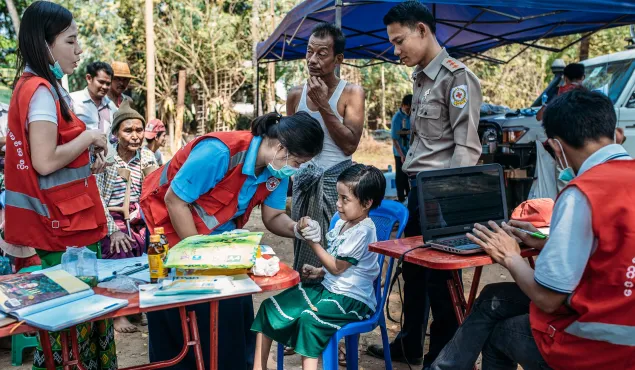
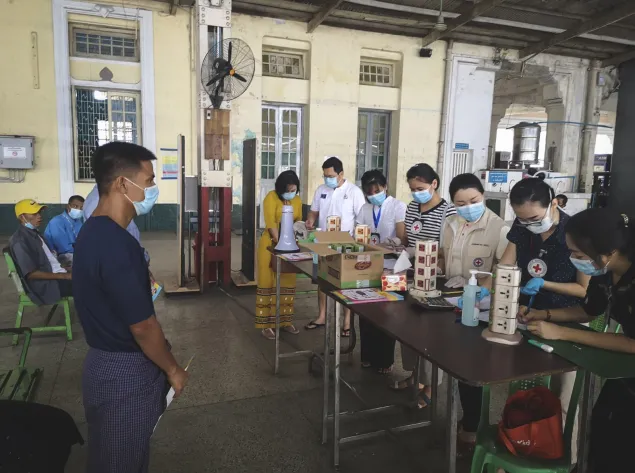
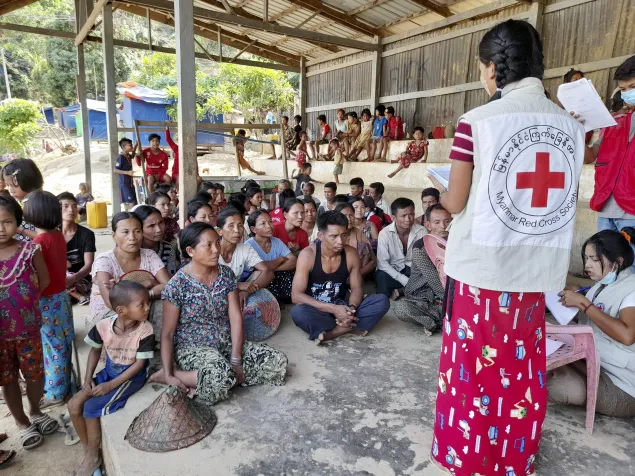
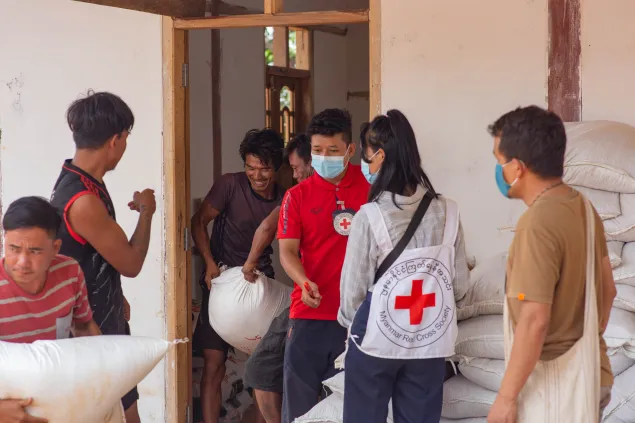
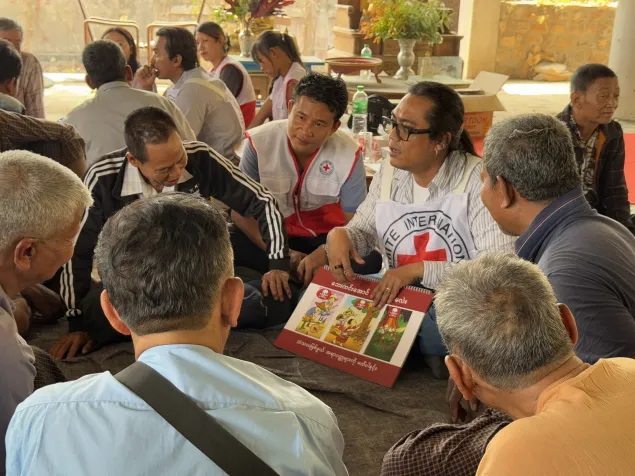
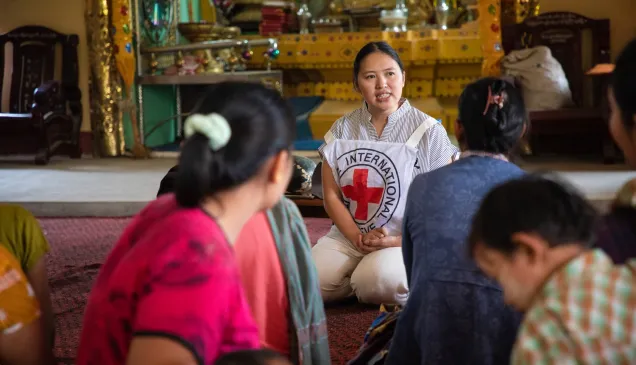
These photographs are not part of the forty years of continuous presence we are commemorating today. They are what came before: visits when they were possible, offers of help, and a partnership with a National Society that had already existed for decades. Each of them tells something about what the ICRC is about and why complying with the rules of war remains so critical.
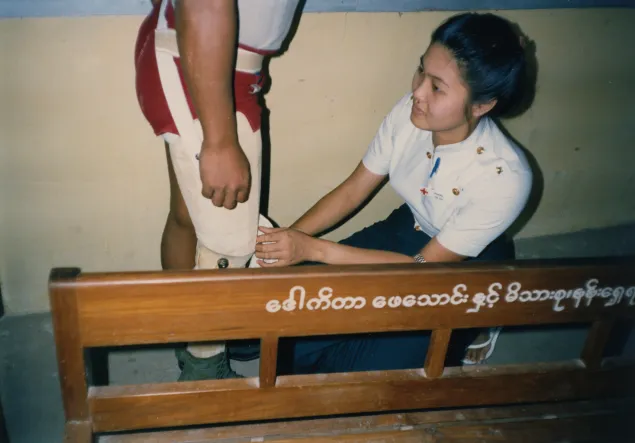
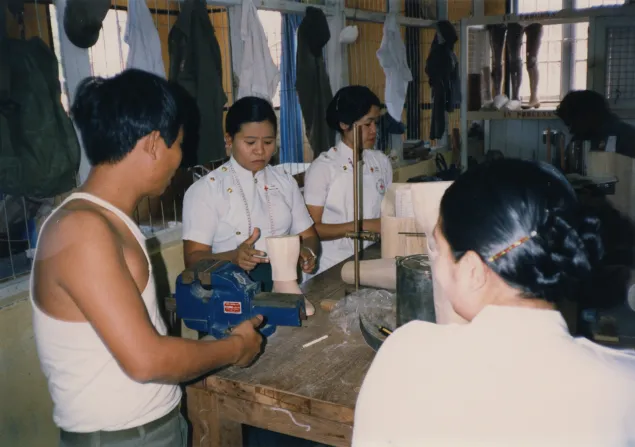
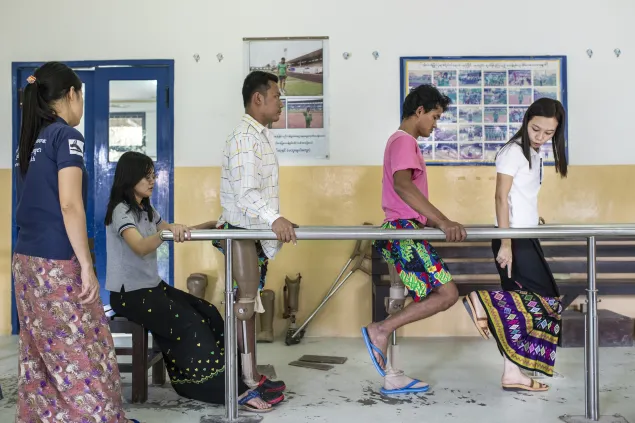
In 1986, a new phase began: the ICRC introduced new prosthetic technology in what is now the National Rehabilitation Hospital in Yangon and initiated a long-lasting relationship with the Ministry of Health. ICRC’s continuous presence in Myanmar began with a workshop.
What follows are forty stories from the four decades since: moments of resilience, connection and humanity, seen through the lives of people across Myanmar.