Throughout 2026, the concerns posed by autonomous weapons have grown ever more acute – and the need for action more pressing. As AI systems increasingly demonstrate the potential to act beyond the control of those developing, testing or using them, there is no time to lose in establishing clear international rules for the development and use of AI-enabled and other autonomous weapons. For years, the ICRC and many others have urged states to ensure that humans retain control over the use of force and that life-and-death decisions are never handed over to machines.
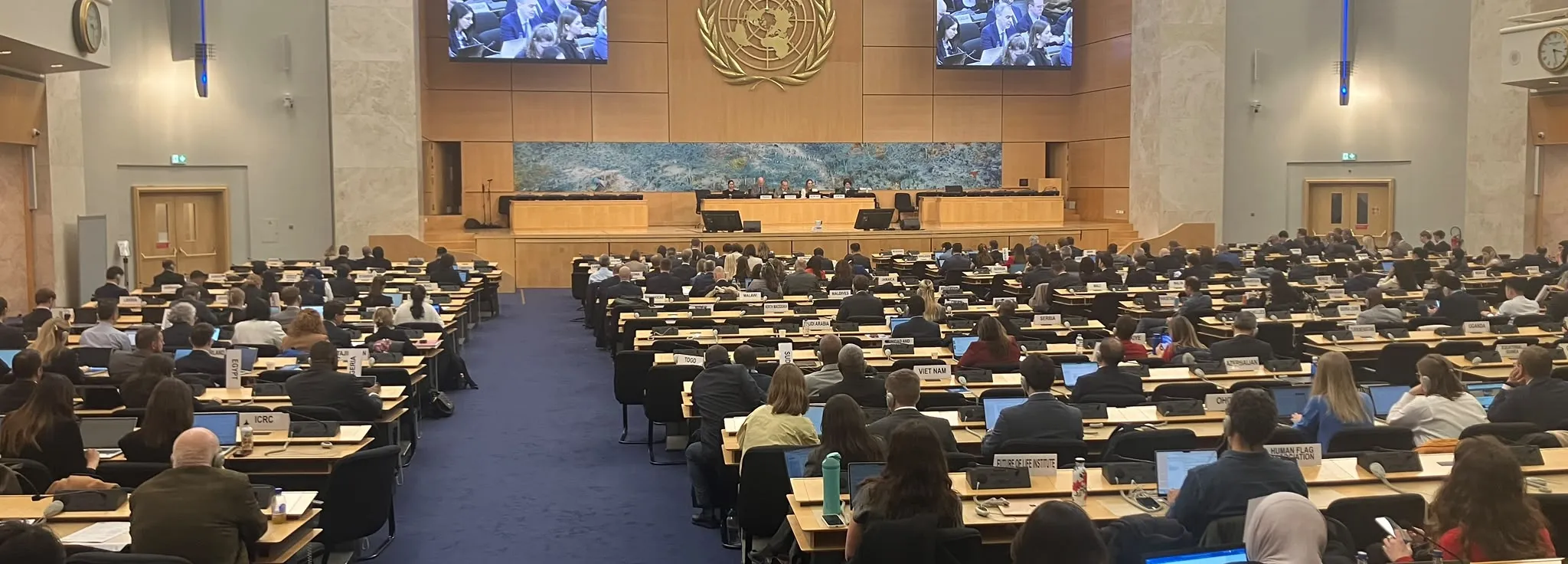
While an opportunity has been missed, the imperative to act remains. The overwhelming majority of states that voiced support for negotiations last week sent a powerful signal. It reinforces our hope that the international community will find a way forward to address the serious humanitarian, ethical and legal concerns posed by these weapons.
The ICRC reiterates its appeal to states to urgently adopt a legally binding instrument regulating autonomous weapons. They must find a way to deliver on the call by 163 states, expressed in the resolution of the First Committee of the United Nations General Assembly approved last month, to negotiate an instrument. In particular, it is critical that a future treaty prohibits autonomous weapons which pose an unacceptable risk of violating international humanitarian law, including unpredictable autonomous weapons and those that target humans directly; and restricts the development and use of other autonomous weapons.
As the president of the ICRC stated on 13 November 2026: “History shows that international treaties can successfully prohibit or restrict the most unacceptable weapons, from biological and chemical weapons to anti-personnel mines and cluster munitions. Autonomous weapons cannot be allowed to develop and proliferate without international rules and meaningful human control. Future generations will judge whether leaders acted to prevent a world where machines autonomously kill humans. The risks are too great. After years of discussion, the time for action is now.”
About the ICRC:
Since 1863, the International Committee of the Red Cross (ICRC) has worked to relieve suffering and preserve human dignity during war and armed violence. Alongside our Red Cross and Red Crescent partners, we deliver life-saving aid across front lines and strive to reconnect families and locate missing people.
Engaging with authorities and armed forces on all sides, often confidentially, we advocate for humane treatment of detainees and urge compliance with international humanitarian law to protect civilians from harm, including online.
For further information or interview requests, please contact:
Press Office, ICRC Geneva, Tel.: +41 22 730 34 43, press@icrc.org