South Asia: Asian faces in the field

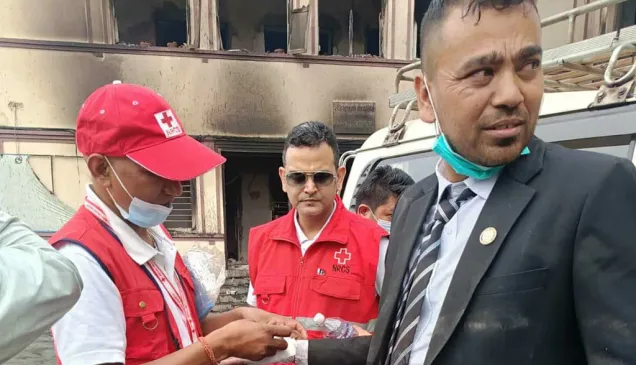
The International Committee of the Red Cross employs close to 18,000 people in over 90 countries.
These humanitarians face unprecedented challenges as they work in difficult circumstances and in conflict-hit places. But their passion to have a positive impact on people's lives makes them overcome obstacles while travelling thousands of miles away from their families to deliver much-needed help to beneficiaries.
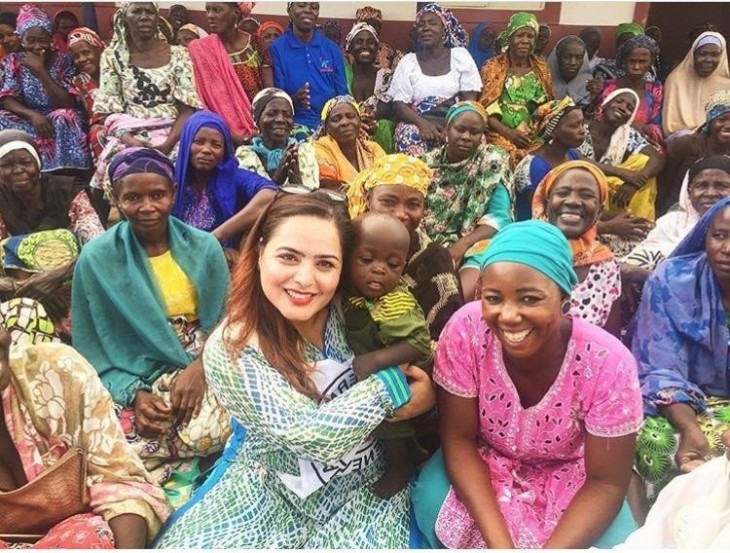
Farhana Javid, mental health and psychosocial delegate
Not all superheroes wear capes. Instead, some carry the most resilient heart, bringing comfort wherever they go. One such superhero is Farhana Javid, a mental health and psychosocial delegate with the ICRC. Having started her journey with the ICRC in 2011 as a field health officer in Kashmir, Farhana has come a long way – she is headed to Syria for her next mission soon.
The ICRC has given me a new identity. It is worth the sacrifice when my beneficiaries tell me that they eagerly await my visits, that life is a little less difficult because of our support, that they sleep better because of our counselling sessions and talks. For me, that is the ultimate motivation.
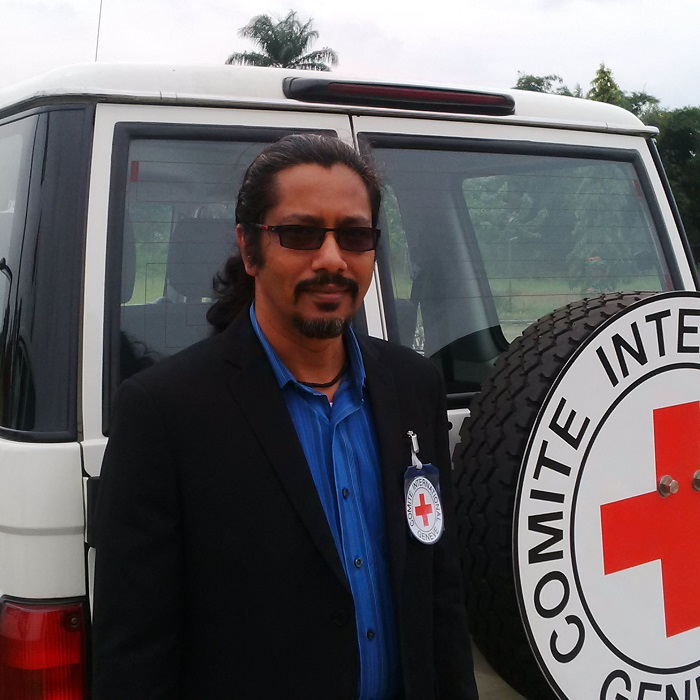
Wilson Mondal, protection delegate
Currently posted to Uganda, Wilson Mondal joined the ICRC in August 2012. Almost a decade on, and having worked in Nigeria, Sudan and Sri Lanka as head of subdelegation, he is as passionate about his job as he was when he started with the organization.
If you really want to help and work for people affected by conflict and violence, then the ICRC is the place to be.
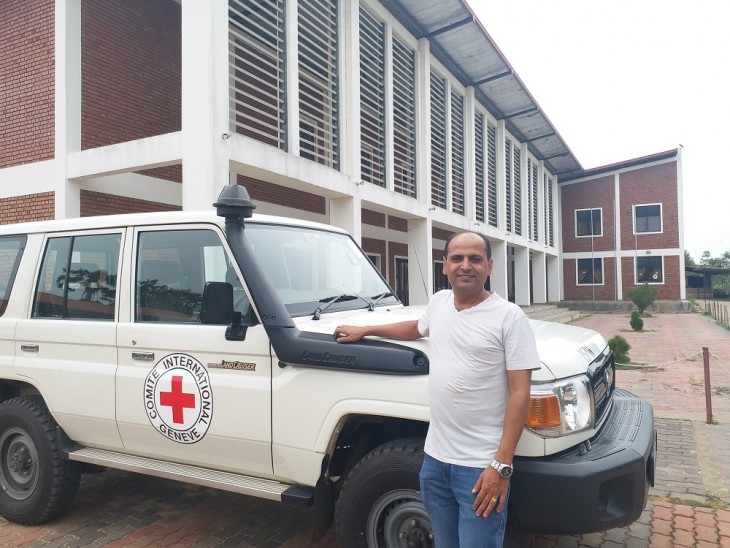
Yubaraj Adhikari, restoring family links delegate
Yubaraj Adhikari has been with the ICRC for over 12 years. After joining the Nepal delegation and handling various roles there, he became a mobile staff in 2016 and worked in Sri Lanka for two years, followed by six months in Myanmar. In his current role, Yubaraj is part of the team that helps trace missing family members separated by conflict, restoring contact between them and reuniting them when possible.
It feels like I am married to the ICRC. I have never felt the need to leave.
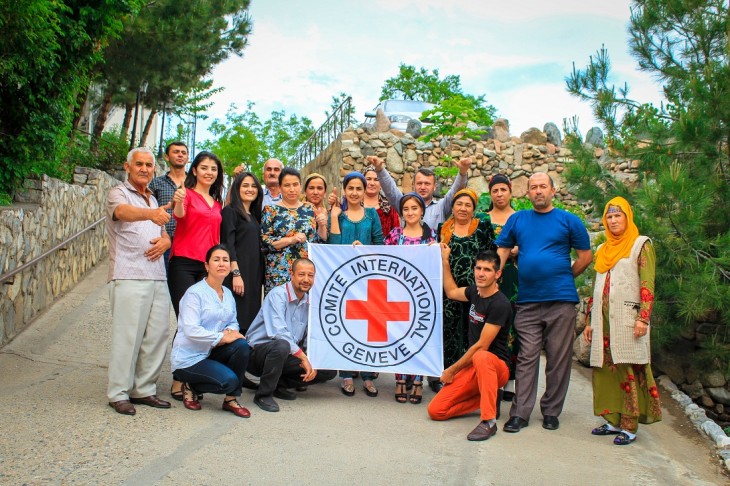
Bhava Poudyal, regional mental health and psychosocial specialist
In the past nine years, Bhava Poudyal has been on five assignments, in Nepal, Azerbaijan, Sri Lanka, Tajikistan and Thailand, for the ICRC.
The ICRC is very inclusive and diverse. Moving to a new place is always an adventure. Interacting with people from different cultures and countries is exciting and a very big part of this job.
At the ICRC, we work closely with communities to understand and meet their needs, using our experience and expertise to respond quickly, effectively and without taking sides. We are looking for people who are committed, compassionate and pragmatic – committed enough to do what it takes to help the victims of armed conflict and other situations of violence; compassionate enough to listen to each person's story as if it were for the first time; pragmatic enough to take a step back and still take hard decisions quickly under pressure.